
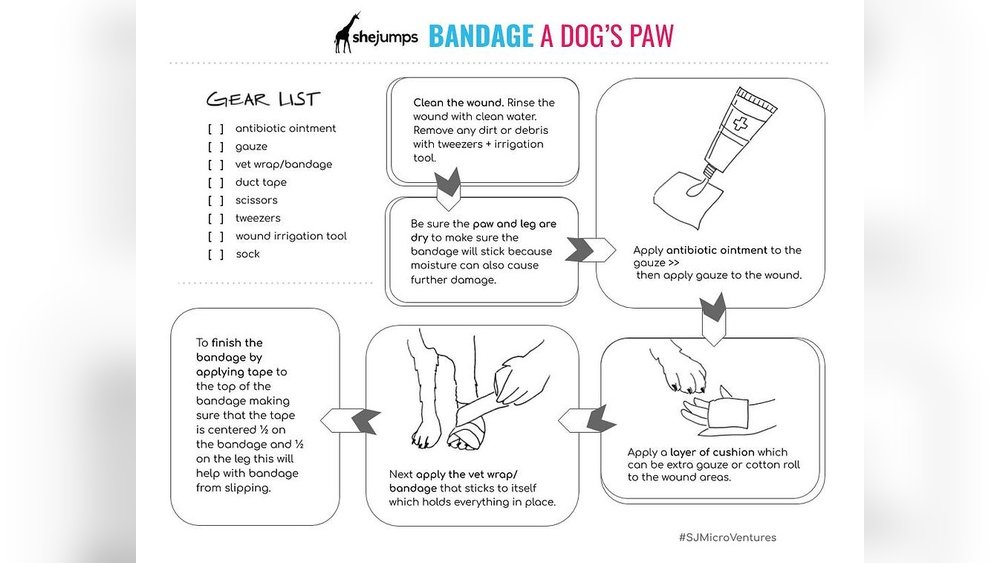
If your dog’s paw gets injured, knowing how to bandage it properly can make all the difference. You want to protect the wound, keep it clean, and help your furry friend feel comfortable while preventing further damage.
But wrapping a dog’s paw isn’t as simple as just putting on a bandage—you need to do it the right way to avoid slipping or swelling. In this guide, you’ll learn step-by-step how to clean, cushion, and wrap your dog’s paw safely and securely.
By following these easy instructions, you’ll be ready to handle minor paw injuries confidently until you can get professional care. Keep reading to discover the essential tips that will keep your dog’s paw protected and help speed up healing.
Prepare The Wound
Wrapping the paw properly protects your dog’s injury and helps healing. It keeps dirt and germs out. It also stops your dog from licking or biting the wound.
Use clean, dry materials. Be gentle but firm enough to hold the bandage in place. Avoid wrapping too tight to prevent cutting off circulation.
Start At The Toes
Begin wrapping at the tips of the toes. This anchors the bandage firmly. Wrap around each toe if needed to secure the pad.
Make sure to cover the entire injured area. Avoid leaving gaps where dirt can enter.
Overlap Layers
Wrap the gauze or bandage in overlapping layers. Each layer should cover half of the previous one. This adds strength and keeps the bandage from slipping.
Keep the tension even. Too loose, and the wrap falls off. Too tight, and it can hurt your dog.
Secure With Vet Wrap
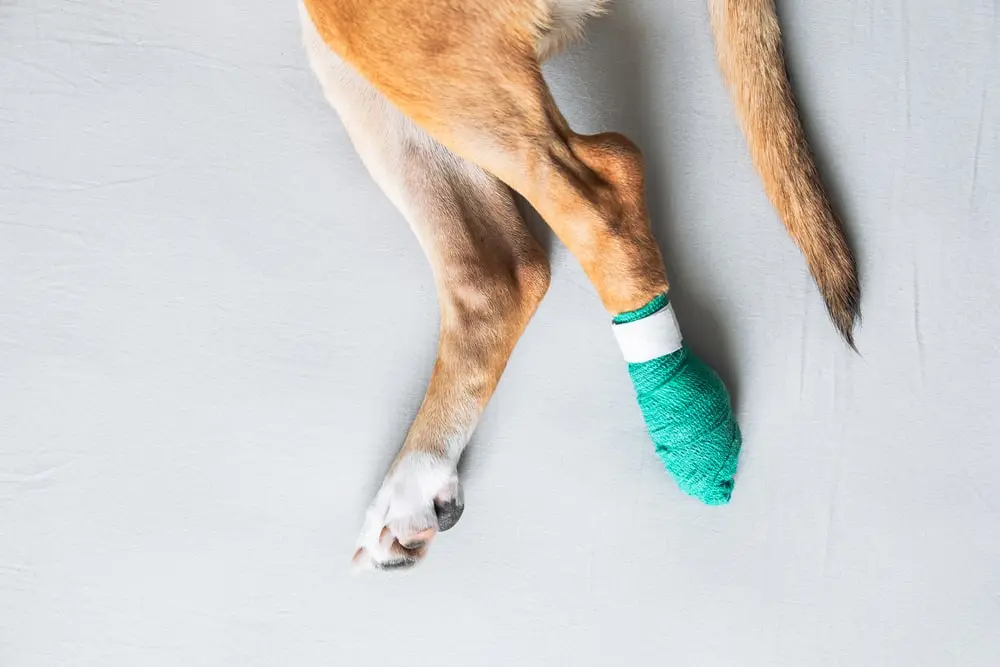
Finish by wrapping self-adhesive vet wrap over the gauze. It sticks to itself and holds the bandage firmly. Avoid wrapping too tight to maintain blood flow.
Check the bandage often. Replace it if it becomes wet or dirty. This keeps the paw clean and safe.

Credit: www.youtube.com
Wrap The Paw
Knowing when to change your dog’s paw bandage is crucial for proper healing. A bandage that stays too long can cause infections or slow recovery. Monitoring the bandage regularly ensures your dog’s comfort and health. Here are key points to watch for and guidelines on how often to replace the bandage.
Signs Of Soiling Or Wetness
Check the bandage daily for dirt, wet spots, or any discharge. A soiled or wet bandage can trap bacteria, leading to infection. Moisture under the bandage also softens the skin, making it prone to damage. Change the bandage immediately if you notice any wetness or foul smell.
Frequency Of Changes
Change the bandage at least once a day to keep the wound clean. For deeper wounds, more frequent changes may be needed. Follow your vet’s advice on timing. Never leave a bandage on longer than recommended to avoid skin problems and discomfort.
Monitoring Healing Progress
Observe the wound every time you change the bandage. Look for reduced redness, swelling, and discharge. If the wound looks worse or does not improve, contact your vet. Proper bandage changes help track healing and prevent complications.
Check Bandage Safety
Bandaging a dog’s paw needs care and attention. Avoid common errors to help your pet heal faster. Mistakes can cause discomfort or delay recovery. Learn what to watch out for to keep your dog safe and comfortable.
Wrapping Too Tight
Wrapping the paw too tight cuts off circulation. It may cause swelling and pain. Check for signs like cold toes or blue nails. Leave enough room for blood flow. The bandage should be snug but gentle.
Using Adhesive On Fur
Avoid putting sticky tape directly on your dog’s fur. It can pull out hair and hurt the skin. Use adhesive only on the bandage or gauze. This keeps the bandage secure without causing pain. Removing tape from fur can be stressful for dogs.
Ignoring Signs Of Infection
Watch the paw for redness, swelling, or bad smell. These signs can mean infection. Do not ignore these symptoms. Seek veterinary care if the paw looks worse or your dog acts tired. Early treatment prevents serious problems.
Credit: www.metlifepetinsurance.com
When To Change The Bandage
Helping your dog’s paw heal faster requires more than just bandaging. Taking extra steps improves comfort and speeds recovery. Keep your dog safe and avoid common mistakes during healing.
These tips help protect the injury and reduce the chance of complications. Follow them carefully for the best results.
Limit Activity
Rest is key for a quick paw recovery. Limit your dog’s running, jumping, and walking. Avoid rough play or long walks until the paw heals well. Too much activity can reopen wounds or cause swelling. Use a leash to control movement during outdoor trips.
Use Protective Booties
Protective booties guard the bandage and paw from dirt and moisture. They also stop your dog from licking or chewing the bandage. Choose booties that fit snugly but do not cut off circulation. Change booties regularly to keep the paw dry and clean.
Consult A Veterinarian
Seek professional advice if the wound looks deep, swollen, or does not improve. A vet can check for infections and prescribe medicine if needed. Follow the vet’s instructions carefully. Regular check-ups ensure the paw is healing properly and prevent future problems.

Credit: www.metlifepetinsurance.com
Frequently Asked Questions
Can I Cover My Dog’s Paw With A Sock?
Yes, you can cover your dog’s paw with a sock for short periods. Use it to protect a clean, dry wound or bandage. Ensure the sock fits well and doesn’t restrict circulation. Replace it regularly to keep the paw clean and prevent moisture buildup.
Should I Wrap My Dog’s Paw Wound?
Yes, wrap your dog’s paw wound to protect it from dirt and bacteria. Use sterile gauze and secure it firmly without cutting off circulation. Change the bandage daily and monitor healing. Seek vet care for deep or infected wounds.
Is It Better To Keep A Dog’s Wound Covered Or Uncovered?
Cover a dog’s wound to protect it from dirt and licking. Use a non-stick gauze and secure bandage. Keep the wound clean and dry. Check and change the dressing regularly to promote healing and prevent infection.
Can I Wrap My Dog’s Paw To Stop Licking?
Yes, you can wrap your dog’s paw to stop licking. Use a clean, non-stick gauze and secure with vet wrap. Check regularly.
Conclusion
Bandaging a dog’s paw helps protect wounds and aids healing. Keep the bandage snug but not too tight. Change it regularly to avoid infection and check for swelling. Always watch your dog’s behavior for signs of discomfort. Seek veterinary help if the injury worsens or does not improve.
Proper care ensures your dog’s paw heals safely and quickly. Simple steps can make a big difference in your pet’s recovery.