
Imagine your dog suddenly limping, clearly in pain, and you spot a cut on their paw. It’s a scary moment, and you want to help right away.
But what exactly should you do to treat that cut properly and keep your furry friend comfortable? Knowing how to clean, protect, and care for a dog’s paw injury can make all the difference in their healing and happiness. You’ll learn simple, step-by-step ways to treat a cut on your dog’s paw at home, when to act fast, and when to get professional help.
Keep reading to become your dog’s paw-care hero.
Assess The Cut
Assessing the cut on your dog’s paw is the first step to proper care. This helps you decide if the wound needs simple home treatment or professional help. Careful observation reveals the seriousness of the injury. It guides your actions to keep your dog safe and comfortable.
Check The Depth And Size
Look closely at the cut to see how deep it goes. Small, shallow cuts often heal well at home. Deep or wide wounds may need a vet’s attention. Measure the size with your finger or a clean ruler. A cut larger than half an inch usually requires professional care.
Look For Signs Of Infection
Check the area for redness, swelling, or heat. These signs can show an infection developing. Pus or bad smell also mean infection. Your dog might lick the paw more or limp. Infections need quick treatment to avoid spreading.
Determine Bleeding Severity
Notice how much and how fast the cut bleeds. Light bleeding can stop with gentle pressure. Heavy bleeding that soaks through bandages needs urgent care. Continuous bleeding for more than ten minutes is a warning. Use a clean cloth to press on the cut and slow the blood flow.
Credit: www.yipara.com
Clean The Wound
Limiting your dog’s movement helps the cut heal faster. It reduces stress on the injured paw. This step prevents reopening the wound or causing more damage. Keep your dog calm and still for several days after treating the cut.
Restrict Activity
Stop all running, jumping, and rough play. Short leash walks only for bathroom breaks are best. Avoid stairs and slippery floors to prevent slipping. Use a crate or small room to keep your dog contained. Rest is essential for healing.
Use Protective Booties
Protective booties shield the injured paw from dirt and germs. They also stop your dog from licking or chewing the cut. Choose booties that fit well but are not too tight. Change booties regularly to keep the paw clean and dry. Booties help keep the wound safe during limited outdoor trips.
Stop The Bleeding
Monitoring the healing process is crucial after treating a cut on your dog’s paw. Careful observation helps catch any problems early. It ensures the wound heals properly and prevents infection.
Check the paw daily. Look closely at the wound and surrounding skin. Note any changes that might signal trouble. Keeping a watchful eye speeds up recovery and keeps your dog comfortable.
Watch For Swelling And Redness
Swelling and redness are normal at first but should lessen each day. If swelling grows or redness spreads, it could mean infection or irritation. Compare the injured paw to the other paws to spot differences.
Notice if your dog shows signs of pain when touching the paw. Persistent swelling or redness needs a vet’s attention. Early care stops small issues from becoming serious.
Notice Any Discharge Or Odor
Clear fluid may be normal, but thick, yellow, green, or bloody discharge is not. Foul smells also suggest infection. These signs mean the wound is not healing well.
Keep the paw clean and dry to prevent discharge. If discharge or bad odor appears, call your vet. Prompt treatment avoids complications and helps your dog heal faster.

Credit: www.heimatverein-nordheim.de
Bandage The Paw
Knowing when to visit the vet is crucial for your dog’s health. Some paw cuts need professional care. Early vet visits can prevent serious problems. Watch your dog’s paw closely after an injury. Do not ignore wounds that look severe or do not heal well. The following signs show it is time for a vet visit.
Deep Or Gaping Wounds
Deep cuts that open wide require vet attention. They may need stitches or special cleaning. These wounds can expose muscles or bones. Leaving them untreated risks infection and slow healing. A vet can properly close the wound to help it heal faster.
Uncontrolled Bleeding
Bleeding that does not stop after 10 minutes is a concern. Apply firm pressure first. If bleeding keeps going, visit the vet immediately. Excessive blood loss can cause shock or other health issues. The vet can use advanced methods to control the bleeding.
Signs Of Infection
Look for redness, swelling, or pus around the cut. Your dog may lick or chew the paw often. Warmth and foul smell also signal infection. Infections can spread and cause pain or fever. A vet can prescribe antibiotics and proper treatment.
Cuts Exposing Raw Tissue
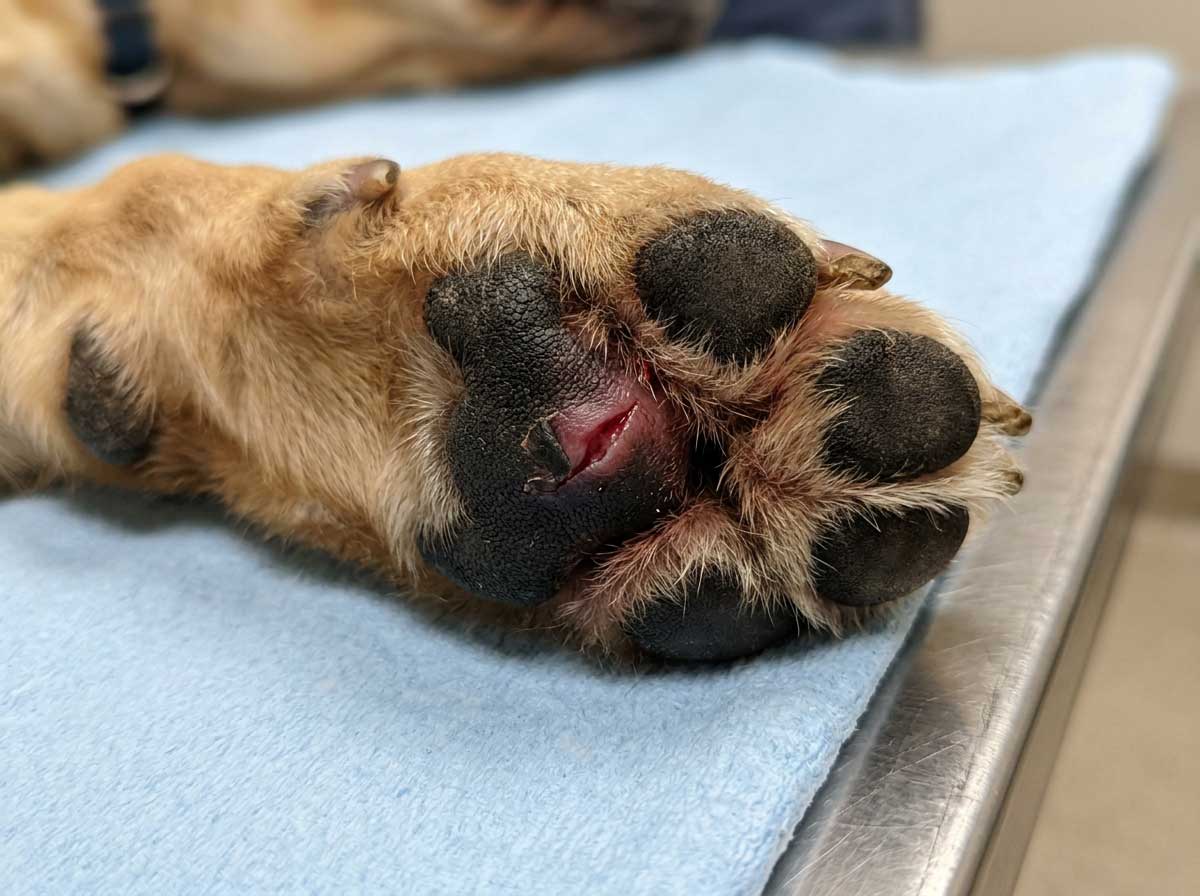
Cuts that reveal raw, pink tissue need urgent care. These wounds are very sensitive and prone to infection. They may cause severe pain to your dog. Protect the paw and visit the vet quickly for cleaning and care. Proper treatment reduces the risk of complications.
Credit: www.spah.la
Frequently Asked Questions
Will My Dog’s Cut Paw Heal On Its Own?
A minor cut on your dog’s paw may heal on its own if cleaned and protected properly. Deep or bleeding wounds need vet care.
Can I Put Neosporin On My Dog’s Paw?
Yes, you can apply a small amount of Neosporin to your dog’s paw cut. Avoid licking and monitor for irritation.
What Is The Fastest Way To Heal A Dog Wound?
Clean the wound with warm, soapy water. Apply pressure to stop bleeding. Use a non-stick bandage. Limit your dog’s movement. Consult a vet if the cut is deep, bleeding heavily, or shows infection signs.
Should I Let My Dog Lick A Cut On His Paw?
Avoid letting your dog lick a paw cut. Licking can introduce bacteria and delay healing. Clean and bandage the wound instead.
Conclusion
Treating a dog’s paw cut quickly helps prevent infection and pain. Clean the wound gently and stop any bleeding right away. Use a non-stick bandage to protect the area and keep your dog calm. Watch for signs like swelling or constant bleeding.
These may need a vet’s attention. Caring for your dog’s paw properly supports faster healing and comfort. Keep an eye on the injury until it fully recovers. Simple steps make a big difference in your dog’s health.