
Is your dog constantly licking or chewing their paws? Do you notice a musty smell or redness between their toes?
These could be signs of a yeast infection on your dog’s paws—a common but frustrating issue that can cause discomfort for your furry friend. If you want to know how to get rid of yeast on your dog’s paws quickly and effectively, you’re in the right place.
You’ll learn simple, practical steps to stop the yeast overgrowth, keep your dog’s paws dry, and prevent future flare-ups. Keep reading, because your dog’s comfort and health depend on the right care—and it’s easier than you might think to help them feel better fast.

Credit: www.capfito.com
Signs Of Yeast Infection On Paws
Yeast infections on dogs’ paws often cause discomfort and irritation. Early signs help catch the problem before it worsens. Knowing these signs can protect your dog’s paws and overall health.
Common Symptoms
Look for redness and swelling between the toes. The skin may appear moist or greasy. Your dog might lick or chew its paws a lot. A musty or corn chip smell often comes from infected areas. Cracking, scaly skin, or hair loss can also show yeast infection.
Breed Susceptibility
Some breeds are more likely to get yeast infections. Dogs with floppy ears or skin folds often have higher risks. Breeds like Cocker Spaniels, Basset Hounds, and Bulldogs are prone. Dogs with allergies or weak immune systems also face more infections.
When To Seek Help
Seek help if symptoms last more than a few days. If your dog shows pain or severe swelling, contact a vet. Signs of spreading infection or open sores need professional care. Persistent licking or worsening odor means a vet visit is necessary.

Credit: toegrips.com
Causes Of Paw Yeast Overgrowth
Yeast overgrowth on a dog’s paws happens when natural balance breaks down. Normally, yeast lives harmlessly on the skin. Too much yeast causes itching, redness, and odor. Understanding what causes this helps prevent and treat the problem effectively.
Several factors can trigger yeast to grow out of control. Some relate to the environment, others to your dog’s health or diet. Knowing these causes can guide better care for your dog’s paws.
Moisture And Environment
Yeast loves warm and wet places. Dogs who walk in wet grass or swim often get moist paws. If paws stay damp for a long time, yeast grows faster. Dirty or muddy areas can also add to the problem.
Humidity inside the house can keep paws moist too. Without proper drying after walks or baths, yeast finds a perfect home. Regularly check and dry your dog’s paws to keep yeast away.
Allergies And Sensitivities
Allergies irritate the skin and weaken its defenses. Dogs with food or environmental allergies often lick or chew their paws. This damages the skin and allows yeast to multiply. Allergic reactions may cause redness and swelling, making yeast problems worse.
Common allergens include pollen, dust, and certain foods. Managing allergies reduces yeast flare-ups and helps your dog feel comfortable.
Diet And Health Factors
Poor diet can affect your dog’s immune system. A weak immune system cannot control yeast growth well. Foods high in sugar or carbohydrates may feed yeast and worsen infections.
Other health issues like diabetes or hormonal imbalances also increase risk. Maintaining a balanced diet and regular vet checkups help keep yeast in check.
Home Remedies For Yeast On Paws
Knowing when to visit the veterinarian is important for your dog’s paw yeast infection. Some infections clear up with home care. Others need professional treatment to avoid serious problems. Watch for signs like worsening redness, swelling, or persistent odor. If your dog keeps licking or chewing paws, a vet visit is needed. Early veterinary care helps stop the infection from spreading.
Prescription Medications
Veterinarians prescribe stronger antifungal medications when home treatments fail. These include oral drugs or medicated shampoos. Prescription medicines work faster and reach deep infections. Follow the vet’s instructions closely for the best results. Never use human antifungal creams without advice. The right medication clears yeast and prevents return infections.
Managing Allergies
Allergies often cause yeast infections on dog paws. Food or environmental allergens irritate the skin. The vet can test for allergies and suggest treatments. Allergy control reduces paw licking and yeast buildup. Treatment may include special diets or allergy injections. Managing allergies stops yeast infections from coming back.
Addressing Persistent Infections
Persistent or recurring yeast infections need veterinary attention. The vet may take skin samples to find the exact cause. Long-term infections can harm your dog’s skin and comfort. A vet can adjust treatment plans and recommend follow-up care. Early intervention prevents chronic paw problems. Persistent infections require professional care for full recovery.
Medicated Treatments At Home
Stopping yeast infections on your dog’s paws starts with prevention. Preventing future yeast infections means careful, regular care and changes to your dog’s environment and diet. These steps keep yeast growth under control and protect your dog’s paws from recurring problems.
Regular Paw Care
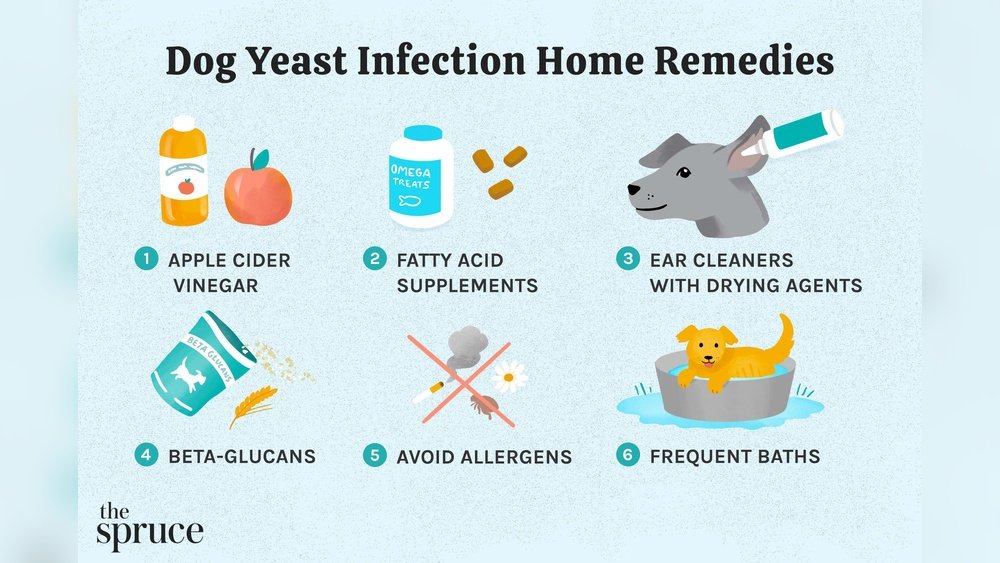
Check your dog’s paws every day for signs of redness or odor. Clean the paws with a gentle, antifungal wipe after walks. Dry the paws completely, especially between the toes. Keep the nails trimmed and fur around the paws short. This helps reduce moisture and prevents yeast from growing.
Environmental Control
Keep your dog’s living area clean and dry. Wash bedding often and change it if damp. Avoid walking your dog in wet, muddy areas. Use baking soda baths once a week to reduce yeast. Avoid cornstarch products as they feed yeast. Control humidity inside your home to keep paws dry and healthy.
Dietary Adjustments
Feed your dog a balanced diet with limited sugars and grains. Sugars can feed yeast and cause infections. Add probiotics to your dog’s meals to help balance gut bacteria. Fresh water should always be available. Talk to your vet about special diets if your dog has allergies or yeast issues.
Frequently Asked Questions
Can You Soak A Dog’s Paws In Vinegar For Yeast Infection?
Soaking a dog’s paws in diluted vinegar may help reduce yeast but risks irritation. Always consult a vet first. Use antifungal treatments and keep paws dry for best results.
What Foods Fight Yeast In Dogs?
Foods that fight yeast in dogs include plain yogurt with probiotics, coconut oil, pumpkin, and fresh vegetables. Avoid sugary or starchy foods.
Will A Yeast Infection Go Away On Its Own On A Dog?
A yeast infection in a dog rarely goes away without treatment. Prompt veterinary care and antifungal medication ensure quick recovery.
Can I Put Monistat On My Dog’s Paws?
Do not apply Monistat on your dog’s paws without vet approval. Use vet-recommended antifungal treatments for safe, effective yeast infection care.
Conclusion
Treating yeast on your dog’s paws takes patience and care. Use antifungal sprays and keep paws dry. Clean paws after walks and avoid moisture buildup. Watch for signs like redness or odor to catch infections early. Allergies may cause yeast to return, so talk to your vet about allergy control.
Regular care helps your dog stay comfortable and healthy. Don’t ignore persistent problems—veterinary help can make a big difference. Your dog’s paws will thank you for the attention and proper treatment.