
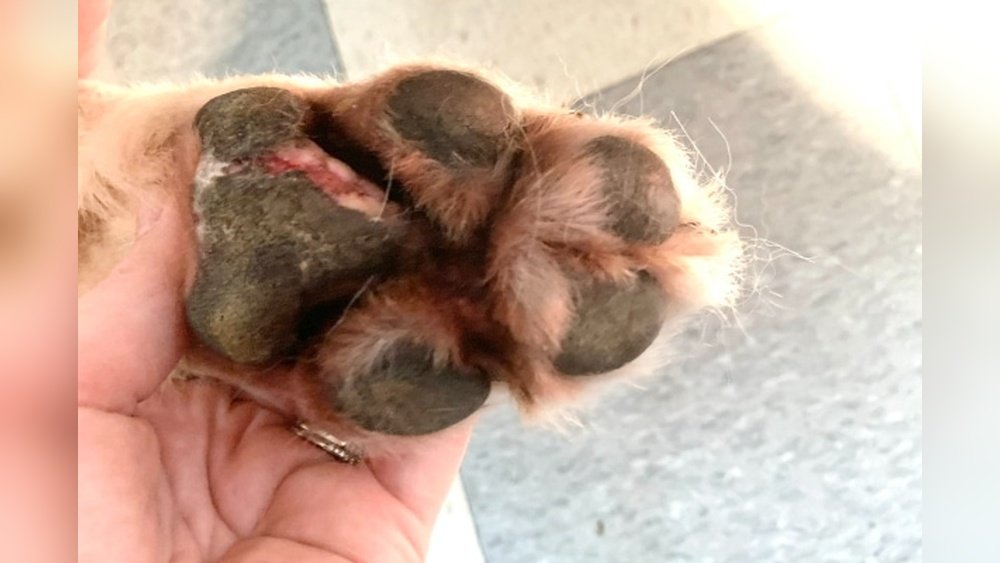
If your dog is constantly licking or limping on one paw, it could be a sign of an infection—something that needs your immediate attention. You want to help your furry friend feel better quickly, but rushing to the vet isn’t always possible.
The good news? You can take important first steps right at home to treat your dog’s paw infection safely and effectively. In this guide, you’ll learn how to spot the signs, clean the infection properly, and avoid common mistakes that might make things worse.
Keep reading to discover simple, proven methods that can bring relief to your dog’s sore paw and get them back to happy, healthy walks.
Signs Of Dog Paw Infection
Recognizing the signs of a dog paw infection helps start treatment early. Infections can cause discomfort and worsen quickly. Watch your dog’s paws closely for any unusual changes. Early detection prevents serious problems and speeds healing.
Common Symptoms
Infected paws often show redness and swelling. The skin may look raw or cracked. Pus or discharge can appear between the toes. Bad odors may come from the infected area. Your dog might lick or chew the paw more than usual. Limping or favoring one foot signals pain or discomfort.
Visual Inspection Tips
Check between the toes and paw pads carefully. Look for cuts, scratches, or embedded debris. Notice any scabs or crusts forming on the skin. Paw pads may feel warm or tender to the touch. Compare both paws to spot differences. Use good lighting for a clear view.
Behavioral Changes
Dogs with paw infections may act restless or anxious. They might lick or bite their paws frequently. Your dog could avoid walking or running. Sudden limping or favoring a leg shows pain. Changes in mood or appetite may also occur. These signs suggest discomfort needing attention.
Credit: lolahemp.com
Causes Of Paw Infections
Dog paw infections are common and can cause discomfort and pain. Understanding the causes helps treat infections effectively at home. Several factors can lead to these infections. Recognizing them early prevents worsening and aids quick healing.
Bacterial Infections
Bacteria often cause paw infections in dogs. These germs enter through small cuts or wounds. Warm, moist paws provide an ideal environment for bacteria to grow. Signs include redness, swelling, and pus around the infected area. Regular cleaning helps reduce bacterial buildup.
Fungal Infections
Fungi can infect dog paws, especially in damp conditions. Yeasts are common fungi causing paw problems. Symptoms include itching, redness, and a foul odor. Fungal infections need special care to stop spreading and discomfort.
Injuries And Foreign Objects
Small cuts, scrapes, or objects like thorns can cause paw infections. Foreign items trapped in the paw create wounds where germs enter. Injuries also increase licking, which can worsen the infection. Checking paws after walks prevents serious issues.
Allergic Reactions
Allergies to food, plants, or chemicals may cause paw infections. Dogs scratch or lick their paws when allergic. This behavior can break the skin, allowing infections to develop. Identifying allergens helps reduce paw problems over time.
Safe Home Care Steps
Safe home care steps are essential to help your dog heal from a paw infection. Proper care reduces pain and prevents further infection. Each step must be done gently and carefully to avoid causing more damage. Follow these key steps to care for your dog’s infected paw at home.
Thorough Inspection
Start by examining the infected paw closely. Look between the toes and under the pads. Check for cuts, swelling, redness, or foreign objects like thorns or splinters. Remove any visible debris with clean tweezers. Avoid digging too deep or causing pain.
Cleaning And Washing
Clean the paw with warm water and a mild soap or antimicrobial solution. Diluted chlorhexidine is a good choice. Gently wash the infected area to remove dirt and bacteria. Rinse thoroughly to remove all soap. This step lowers the risk of infection spreading.
Drying Techniques
Dry the paw carefully after cleaning. Use a clean towel and pat the area gently. Make sure to dry between the toes to prevent moisture buildup. Moisture can worsen infections and slow healing. Avoid using heat or harsh rubbing.
Topical Treatments To Use
Topical treatments play a key role in managing dog paw infections at home. They help clean the infected area and reduce bacteria or fungi. Applying the right treatment can soothe your dog’s discomfort and speed healing. Below are some effective options to try safely.
Antimicrobial Washes
Antimicrobial washes kill germs and prevent infections from spreading. Use a diluted chlorhexidine solution to gently clean your dog’s paw. This wash helps remove dirt and bacteria while being gentle on the skin. Rinse well and dry the paw completely after washing. Avoid strong soaps that can irritate the skin.
Natural Remedies
Natural remedies offer a mild way to treat minor infections. Applying coconut oil can moisturize and fight bacteria. Aloe vera gel helps calm inflammation and supports skin healing. Use these remedies sparingly and watch for any signs of irritation. They work best alongside cleaning and other treatments.
Epsom Salt Soaks
Epsom salt soaks reduce swelling and draw out infection from the paw. Dissolve Epsom salt in warm water and soak your dog’s paw for 5 to 10 minutes. This method soothes pain and cleans the wound naturally. Make sure to dry the paw thoroughly after soaking to prevent moisture buildup.
What To Avoid
Knowing what to avoid is key to treating your dog’s paw infection at home. Some common actions can make the infection worse or slow healing. Avoiding these pitfalls protects your dog and helps recovery.
Careless treatments or harmful substances can cause more pain. Keeping the paw dry and steering clear of human medicines also prevents complications. Follow these guidelines carefully.
Harmful Substances
Do not use hydrogen peroxide or rubbing alcohol on the infected paw. These can damage healthy skin and delay healing. Avoid harsh soaps or chemicals that irritate the area. Only use mild, pet-safe cleansers recommended by vets.
Keeping Paw Dry
Wet paws worsen infections and invite bacteria. After cleaning, dry your dog’s paw completely, especially between the toes. Avoid letting your dog walk on wet grass or muddy areas. Moisture trapped in the paw creates a perfect environment for germs.
Avoiding Human Medications
Human antibiotic ointments or creams can harm your dog’s skin. Do not apply Neosporin or other human drugs unless a vet says so. Dogs react differently to medicines made for people. Using the wrong treatment can cause allergic reactions or toxicity.

Credit: www.ems-france.com
Preventing Future Infections
Preventing future paw infections in dogs is crucial for their health and comfort. Healthy paws help your dog stay active and pain-free. Simple daily habits can lower infection risks. Consistent care ensures your dog’s paws stay strong and clean.
Regular Paw Checks
Check your dog’s paws every day. Look for cuts, swelling, or redness. Inspect between the toes and pads carefully. Early detection helps stop infections before they worsen. Remove any dirt, splinters, or debris you find. This habit keeps small problems from growing.
Proper Grooming
Trim your dog’s fur around the paws regularly. Long fur can trap dirt and moisture. Keep nails short to prevent injury and discomfort. Clean paws after walks or playtime. Use a damp cloth or mild pet-safe cleanser. Dry paws completely to avoid damp conditions that breed bacteria.
Safe Outdoor Practices
Choose safe walking areas free of sharp objects and chemicals. Avoid hot pavement or rough surfaces that can damage paws. Rinse paws with fresh water after outdoor activities. This removes allergens and irritants. Use dog booties for extra protection on rough or hot terrain.
When To See A Vet
Knowing when to see a vet for your dog’s paw infection is crucial. Some infections can worsen quickly without proper treatment. Early professional care can prevent complications and relieve your dog’s pain.
Home care helps mild cases, but certain signs show you need expert help. Watch your dog closely for symptoms that go beyond simple discomfort.
Severe Symptoms
Seek veterinary care if the paw shows severe swelling or deep cuts. Bleeding that does not stop also needs immediate attention. Pus or bad odors coming from the paw suggest a serious infection. Excessive pain or limping means the problem may be worse than it looks.
Persistent Issues
If the paw infection does not improve after a few days of home care, see a vet. Constant licking, redness, or swelling that stays or worsens is a red flag. Recurring infections might need special treatments or tests. Do not wait too long, as chronic problems can harm your dog’s health.
Signs Of Systemic Infection
Systemic infection means the infection spreads beyond the paw. Watch for fever, lethargy, or loss of appetite. Swollen lymph nodes or weakness are also warning signs. These symptoms require urgent veterinary evaluation and treatment.

Credit: abspiral.com
Frequently Asked Questions
What Can I Put On My Dog’s Infected Paw?
Clean the paw gently with mild soap or diluted chlorhexidine. Apply a vet-approved topical antibiotic. Keep the paw dry and monitor for worsening signs. Seek veterinary care if swelling, pus, or severe pain occurs. Avoid using human ointments or harsh chemicals on the infected paw.
How To Draw An Infection Out Of A Dog’s Paw?
Soak your dog’s paw in warm water with Epsom salt for 10-15 minutes to help draw out infection. Gently clean and dry thoroughly afterward. Consult a vet if symptoms worsen or persist.
What Is The Strongest Natural Antibiotic For Dogs Without A Vet?
Garlic and honey have mild natural antibiotic properties for dogs but use cautiously. Always clean wounds with diluted chlorhexidine and consult a vet for serious infections.
Can I Put Neosporin On My Dog’s Infected Paw?
Neosporin can irritate a dog’s paw and may not be safe. Consult a vet before applying any ointment. Clean the paw gently and keep it dry.
Conclusion
Treating your dog’s paw infection at home requires care and patience. Keep the paw clean and dry to help healing. Check the paw daily for any changes or worsening signs. Avoid using harsh chemicals or human medicines on the paw.
If the infection looks severe or does not improve, visit a vet quickly. Early care prevents more serious problems later. Your dog will feel better with gentle and steady attention. Simple home steps can ease mild infections effectively. Stay observant and act fast for your dog’s health.