
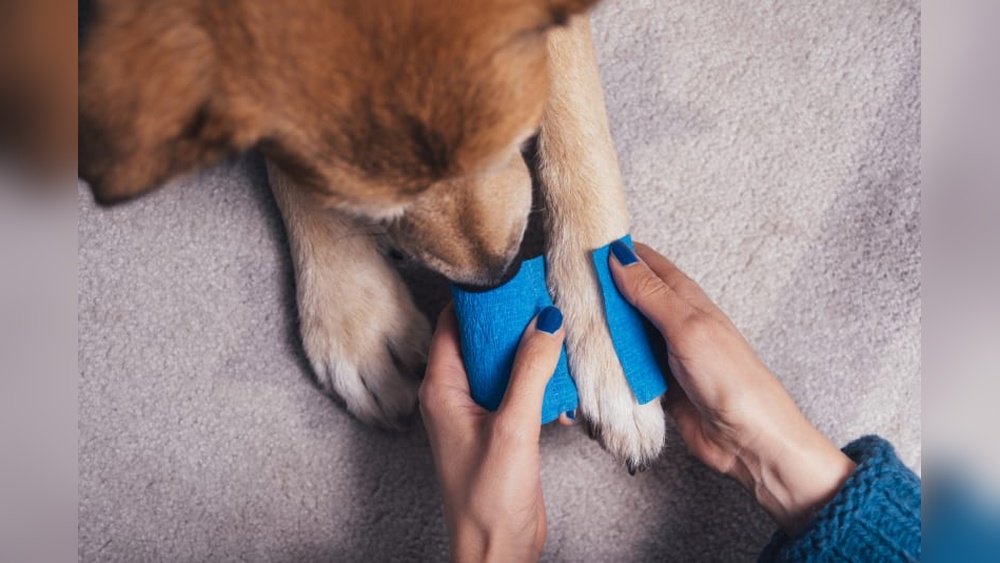
If your dog suddenly starts limping or licking their paw more than usual, you might be facing a cut on their paw. It’s a common injury, but it can be painful and, if not treated properly, might lead to infection or other complications.
You want to help your furry friend feel better quickly, but knowing exactly what to do can be confusing and stressful. This guide will walk you through simple, effective steps to clean, protect, and care for your dog’s paw cut at home.
By following these tips, you’ll be able to ease your dog’s discomfort and speed up their recovery—so keep reading to learn how to act fast and smart when your dog needs you the most.
Assess The Injury
Assessing the injury is the first step in treating a dog’s cut on the paw. Careful evaluation helps decide if home care is enough or if a vet visit is needed. It also guides how to clean and protect the wound properly.
Take your time and be gentle. Dogs can feel pain and may try to pull away or lick the injury. Understanding the injury’s severity helps keep your dog safe and comfortable.
Check The Cut Depth And Size
Look closely at the cut on your dog’s paw. Small scrapes may heal with simple cleaning and bandaging. Deep cuts might bleed heavily or show tissue beneath the skin. Large wounds need immediate veterinary care to prevent infection and control bleeding.
Measure the cut if possible. Cuts longer than half an inch or those that gape open need professional attention. Keep the paw still and avoid putting pressure on the injury.
Look For Foreign Objects
Examine the paw carefully for any debris. Small stones, glass shards, or plant material can lodge in the cut. These objects cause pain and infection if not removed.
Use tweezers if you see something visible, but only if your dog stays calm. Avoid digging too deep, which can cause more harm. Rinse the paw with clean water to flush out dirt and smaller particles.
Observe Your Dog’s Behavior
Watch how your dog acts after the injury. Limping, licking the paw constantly, or showing signs of pain means the injury might be serious. Changes in appetite or energy can also signal distress or infection.
Rest is important. Keep your dog from running or jumping until the paw heals. If your dog seems very uncomfortable or the wound worsens, seek veterinary help quickly.

Credit: www.kspulverizadores.com.br
Clean The Wound
Cleaning the wound is the first critical step in treating a dog’s cut paw. This process helps prevent infection and speeds healing. Proper cleaning removes dirt, bacteria, and debris that can cause complications. Be gentle to avoid causing pain or further injury. Focus on thorough yet careful cleaning before applying any treatments or bandages.
Use Warm Soapy Water
Fill a bowl with warm water and a small amount of mild soap. Avoid harsh chemicals or strong detergents. Gently dip your dog’s paw into the soapy water. Move the paw slowly to help loosen dirt and bacteria. This step softens dried blood and grime. Keep your dog calm and speak soothingly.
Rinse With Cool Water
After soapy water cleaning, rinse the paw with cool, clean water. Pour water gently over the wound to wash away soap and loosened dirt. Cool water helps soothe the injured area and reduce swelling. Avoid using hot water, which can irritate the skin. Make sure all soap residue is removed to prevent irritation.
Remove Debris Gently
Look closely at the wound for small stones, dirt, or grass. Use tweezers cleaned with rubbing alcohol to pick out any visible debris. Be very gentle to avoid pushing particles deeper or causing pain. If debris is deeply embedded, seek veterinary help. Removing foreign objects helps stop infection and promotes faster healing.
Stop The Bleeding
Stopping the bleeding is the first step when treating a dog’s paw cut. Quick action helps prevent blood loss and keeps the wound clean. Use calm, steady movements to avoid stressing your dog.
Follow simple steps to control the bleeding before moving to cleaning and dressing the wound.
Apply Gentle Pressure
Use your fingers or palm to press gently on the cut. Firm but gentle pressure helps slow the bleeding. Avoid pressing too hard to prevent more injury.
Hold the pressure for several minutes without lifting to check if bleeding stops. This allows blood vessels to close and heal.
Use A Clean Cloth Or Gauze
Place a clean cloth or sterile gauze directly on the wound. Avoid using dirty materials that may cause infection. Change the cloth if it becomes soaked with blood.
Keep the cloth in place while applying pressure. This also protects the wound from dirt and bacteria.
Elevate The Paw If Possible
Raise your dog’s paw above heart level to reduce blood flow. Elevation helps slow bleeding and reduces swelling. Support the paw with your hand or a soft towel.
Keep the paw elevated until the bleeding stops or slows significantly. This step helps control blood loss and eases pain.

Credit: www.taekwondoluxembourg.com
Apply Antiseptic
Applying antiseptic to a dog’s paw cut is a vital step in preventing infection. It helps kill bacteria and keeps the wound clean. Proper care reduces healing time and avoids complications.
Choose Pet-safe Solutions
Select antiseptics made specifically for pets. These formulas are gentle yet effective. Avoid human products unless approved by a vet. Pet-safe antiseptics protect your dog’s sensitive skin.
Avoid Harmful Chemicals
Steer clear of antiseptics with alcohol, hydrogen peroxide, or iodine. These can irritate or damage tissue. Using harsh chemicals may slow healing. Always check labels and choose mild options.
Apply Carefully To The Cut
Use a clean cloth or cotton ball to apply the antiseptic. Dab gently around and on the wound. Avoid rubbing, which can reopen the cut. Repeat the process as recommended until healing starts.
Protect The Paw
Protecting your dog’s paw after a cut is crucial to promote healing and prevent infection. The paw is sensitive and prone to further injury. Proper care helps your dog stay comfortable and speeds recovery.
Follow these steps to shield the paw effectively and keep your dog safe.
Use Non-adherent Gauze Pads
Start by placing non-adherent gauze pads over the cut. These pads prevent sticking to the wound. They absorb any fluid without damaging new tissue. Use a clean pad to cover the entire cut area gently. Change the pad regularly to maintain cleanliness.
Wrap With A Bandage
After the gauze pad, wrap the paw with a soft bandage. Wrap snugly but not too tight to avoid cutting off circulation. Secure the bandage so it stays in place during movement. This protects the paw from dirt and further injury. Replace the bandage daily or sooner if it gets wet or dirty.
Ensure Comfort And Security
Make sure your dog feels comfortable with the bandage. Avoid tight wraps that cause pain or swelling. Check the paw often for signs of discomfort or slipping bandages. Use an Elizabethan collar if your dog tries to chew or lick the paw. Keep your dog calm and limit walking on rough surfaces until healed.
Monitor For Infection
Monitoring your dog’s paw cut for infection is crucial for a quick and safe recovery. Infections can worsen the injury and cause pain. Check the wound regularly to spot early signs of infection. Early detection helps you act fast and keep your dog comfortable.
Watch For Redness And Swelling
Redness around the cut can mean inflammation or infection. Swelling is another sign that the body is fighting something harmful. Compare the injured paw to the others. If it looks redder or puffier, clean it and keep an eye on it.
Check For Discharge Or Odor
Clear fluid is normal, but thick, yellow, or green discharge signals infection. Bad smells coming from the wound also mean bacteria may be growing. Use a clean cloth to gently wipe the area and see if any unusual discharge appears.
Note Changes In Your Dog’s Behavior
Behavior changes can show your dog is in pain or feeling unwell. Limping, licking the paw often, or reluctance to walk are warning signs. Watch for signs like tiredness or loss of appetite. These changes can mean the infection is affecting your dog’s health.
When To See A Vet
Knowing when to see a vet after your dog cuts its paw is very important. Some wounds need quick professional care. Others heal well at home. Watch your dog’s paw closely for signs that suggest a vet visit. Acting fast can prevent bigger problems and pain for your dog.
Deep Or Large Cuts
Deep or large cuts often need a vet’s help. These wounds may expose tissue, muscle, or bone. They can cause heavy bleeding or pain. A vet can properly clean, stitch, or treat the wound. This helps stop infection and speeds healing.
Persistent Bleeding
Bleeding that won’t stop is a sign to see a vet. Apply gentle pressure for several minutes. If blood soaks through the bandage or keeps flowing, professional care is needed. Vets have tools and medicine to control bleeding safely.
Signs Of Infection
Watch for swelling, redness, or pus around the cut. Your dog may lick the paw often or limp. Fever and bad smell are also warning signs. These mean the wound is infected. Infections can get worse quickly. A vet can prescribe antibiotics or other treatments.
Promote Healing
Promoting healing is vital after your dog suffers a cut on the paw. Proper care helps avoid infection and speeds recovery. This section explains key steps to support your dog’s paw healing process. Follow these tips carefully to ensure your pet’s comfort and health.
Limit Activity And Walking
Keep your dog calm and limit movement as much as possible. Avoid long walks or running, which can reopen the cut. Short bathroom breaks on soft surfaces are best. Rest reduces stress on the paw and helps healing.
Keep The Paw Clean And Dry
Clean the wound gently with warm water to remove dirt. Avoid harsh soaps or chemicals on the cut. Dry the paw carefully with a soft towel after cleaning. Moisture can cause infection, so keep the paw dry between cleanings.
Use Protective Booties If Needed
Protect the injured paw from rough surfaces with dog booties. Booties keep out dirt and sharp objects that can worsen the cut. Use soft, breathable materials to avoid irritation. Change booties regularly to maintain cleanliness.
Prevent Future Injuries
Preventing future paw injuries helps keep your dog happy and healthy. Taking simple steps reduces the risk of cuts and pain. These actions protect your dog’s paws from harm during daily activities.
Check Walking Areas
Always inspect places where your dog walks. Look for sharp objects like glass, nails, or rocks. Remove debris that could hurt your dog’s paws. Avoid rough or dangerous surfaces during walks. Choose smooth paths or grassy areas instead.
Trim Paw Hair And Nails
Keep your dog’s paw hair and nails short. Long hair can trap dirt and sharp objects. Overgrown nails may cause your dog to slip or get hurt. Trim nails carefully to avoid cutting too close. Regular grooming helps prevent injuries and infections.
Use Paw Protection Outdoors
Paw boots or wax protect your dog’s feet outside. They shield against hot pavement, ice, and sharp stones. Boots also keep paws clean and dry in bad weather. Choose comfortable, well-fitting protection for your dog. Use them on long walks or rough terrain.
Frequently Asked Questions
Can I Put Neosporin On My Dog’s Paw Wound?
You can apply a small amount of Neosporin on your dog’s paw wound to prevent infection. Avoid large quantities and monitor for reactions. Consult your vet for deep or serious wounds.
Will A Dog’s Cut Heal On Its Own?
A dog’s cut may heal on its own if minor and clean. Monitor closely and clean regularly. Seek vet care for deep or bleeding wounds.
How Serious Is A Cut On A Dog’s Paw?
A cut on a dog’s paw can range from minor to serious. Deep or bleeding wounds need immediate vet care. Clean and monitor minor cuts to prevent infection.
How Long Does It Take For A Cut On A Dog’s Paw To Heal?
A cut on a dog’s paw usually heals within 7 to 14 days. Healing time varies by wound severity and care. Keep the wound clean and dry to speed recovery. Consult a vet if the cut worsens or shows signs of infection.
Conclusion
Treating a dog’s paw cut quickly helps prevent infection and speeds healing. Always clean the wound gently with water and remove debris carefully. Use a sterile bandage to protect the paw from dirt and further injury. Watch your dog closely for signs of pain or swelling.
Visit a vet if the cut is deep or won’t stop bleeding. Keeping your dog calm and rested supports recovery. Proper care ensures your furry friend will be back on their feet soon. Simple steps make a big difference in healing paw cuts.