
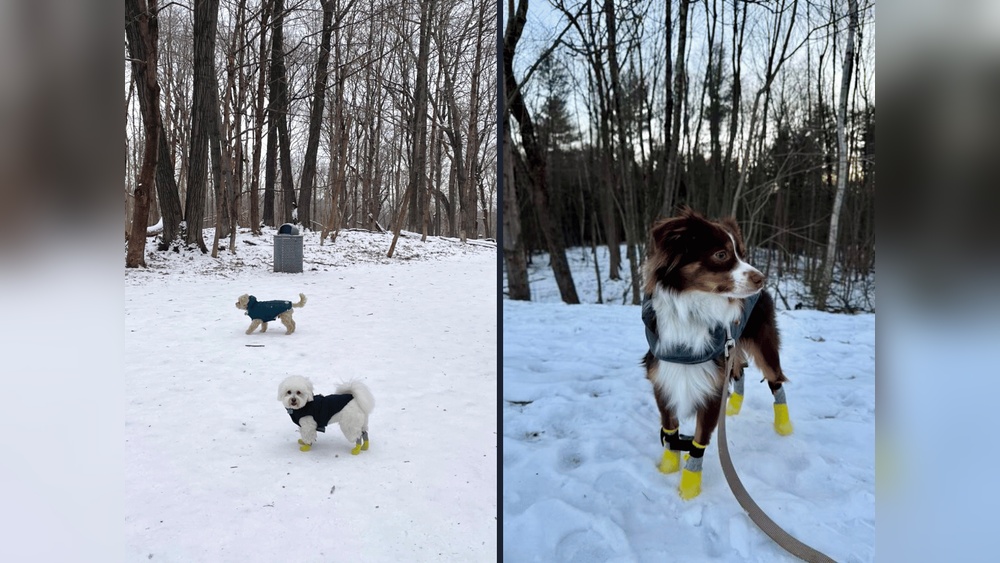
You love taking your dog for walks, but when the temperature drops, you might wonder: How cold is too cold for dog paws? Your furry friend’s paws are tough, but they’re also sensitive.
Walking on icy sidewalks or snowy streets can cause discomfort or even injury. If you don’t know when to stop or how to protect their paws, you could unintentionally put your dog at risk. You’ll discover the signs that your dog’s paws are too cold, the temperatures you should watch out for, and simple ways to keep their feet safe and comfortable during chilly weather.
Keep reading to make sure every walk is a happy and healthy one for your best friend.
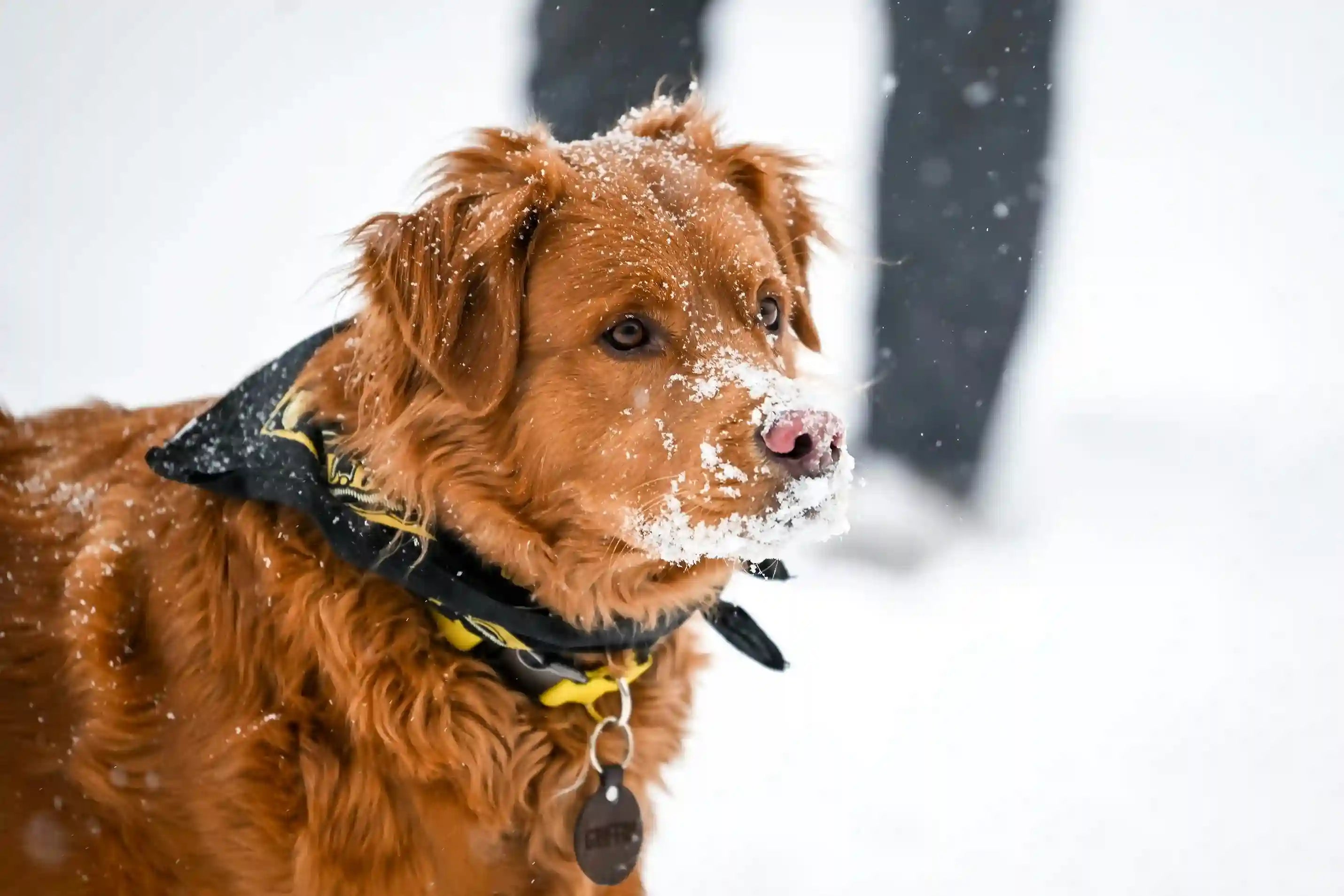
Credit: closerpets.co.uk
Safe Temperature Range
Knowing the safe temperature range for your dog’s paws is key to keeping them healthy during cold weather. Dog paws are sensitive to low temperatures and can get frostbite or injuries if exposed too long. Understanding how cold is too cold helps you protect your furry friend. Each dog has different tolerance levels based on breed, size, and coat. This section explains safe temperature limits and paw sensitivity.
Paw Sensitivity To Cold
Dog paws have thin skin and little fat to shield from cold. The pads can crack or become sore when exposed to freezing surfaces. Snow, ice, and salted roads worsen the effects. Some dogs feel discomfort at temperatures near freezing. Signs include lifting paws, limping, or licking them often. Cold-sensitive paws need protection to avoid pain and injuries. Short walks on chilly days are safer than long exposure.
Temperature Thresholds For Different Breeds
Small and short-haired breeds feel cold faster than large, thick-coated dogs. Breeds like Chihuahuas or Greyhounds may struggle below 45°F. Medium to large dogs with thicker fur can tolerate 20°F to 32°F for short periods. Arctic breeds such as Huskies have paws built for cold and handle lower temperatures well. Always watch your dog’s behavior and limit time outside when temps drop below their comfort level. Use booties or paw wax for added warmth and protection.
Signs Of Paw Frostbite
Dog paws can suffer frostbite when exposed to extreme cold. Early signs help prevent serious harm. Watch your dog closely during cold walks.
Frostbite affects the skin and tissues of the paws. It happens when blood flow slows due to freezing temperatures. Prompt care is crucial to avoid lasting damage.
Symptoms To Watch For
Look for pale or gray skin on the paws. The area may feel cold or hard to the touch. Swelling and blisters can also appear.
Your dog might lick or chew their paws more than usual. Limping or reluctance to walk can signal pain. The paws may turn red or dark as frostbite worsens.
Immediate Actions To Take
Bring your dog indoors to a warm area right away. Avoid rubbing the paws; it can cause more damage. Gently warm the paws with a soft cloth and warm water.
Keep your dog calm and prevent them from walking on cold surfaces. Contact a veterinarian if you see blisters or persistent swelling. Quick treatment improves recovery chances.
Protecting Dog Paws
Protecting dog paws during cold weather is crucial for their health and comfort. Dog paws are sensitive and can get injured from ice, snow, and salt. Taking simple steps can prevent pain and damage. Proper paw care helps dogs enjoy winter walks safely.
Using Booties And Paw Wax
Booties are small shoes that cover a dog’s paws. They keep paws warm and dry. Booties also protect from sharp ice and harmful salt on roads. Make sure booties fit well to avoid discomfort.
Paw wax creates a protective layer on the paws. It helps stop snow and ice from sticking. Wax also shields against rough surfaces and chemicals. Apply paw wax before going outside in cold weather.
Regular Paw Care And Inspection
Check your dog’s paws after each walk. Look for cuts, cracks, or redness. Remove any ice balls stuck between the toes. Clean paws gently to remove salt and dirt.
Trim the hair around the paws to reduce ice buildup. Keep nails short to prevent injuries. Regular care keeps paws healthy and strong in winter. Early detection of problems helps avoid serious issues.
Safe Walking Practices
Walking your dog in cold weather needs care and attention. Protecting their paws is key to keeping them safe. Cold temperatures can cause discomfort and even injury to your dog’s feet. Following safe walking practices helps prevent problems during winter walks.
Choose the right time and place for your dog’s outdoor activities. Keep walks short and avoid harsh conditions. Watch your dog for signs of cold stress or paw pain. These steps ensure a pleasant and safe experience for your pet.
Ideal Walk Times In Cold Weather
Walk your dog during the warmest part of the day. Late morning or early afternoon usually offers higher temperatures. Avoid early mornings and late evenings when frost or ice is more likely. Shorter walks reduce exposure to freezing surfaces.
Limit outdoor time if the temperature drops below 20°F (-6°C). Dogs with short fur or small paws need extra caution. Keep an eye on your dog’s behavior and return inside if they seem cold.
Avoiding Hazardous Surfaces
Steer clear of icy sidewalks and salted roads. Ice can cause slips and cuts on your dog’s paws. Salt and de-icing chemicals irritate skin and may be toxic if licked. Use pet-safe ice melt around your home.
Walk on grass or cleared paths whenever possible. Check your dog’s paws after each walk for cracks or redness. Rinse paws with warm water to remove harmful substances. Dry paws thoroughly to prevent frostbite and cracking.
Indoor Warmth Tips
Keeping your dog warm indoors is important during cold weather. Cold paws can cause discomfort and health issues. Simple steps help protect your dog’s paws and keep them cozy inside.
Keeping Paws Dry And Warm
Dry paws prevent irritation and infections. After outdoor walks, gently wipe your dog’s paws with a soft towel. Make sure no snow or moisture remains between the toes.
Use a pet-safe paw balm or moisturizer to protect the pads. This creates a barrier against cold and dryness. Avoid using human lotions as they can be harmful to dogs.
Keep your floors warm and free from drafts. Cold floors can chill your dog’s paws quickly. Place rugs or mats in areas where your dog rests often.
Choosing Appropriate Bedding
Soft, insulated bedding helps keep your dog comfortable. Choose beds with raised edges to block drafts. Memory foam beds offer extra warmth and support for older dogs.
Place the bed in a warm, quiet corner away from windows or doors. Avoid putting bedding directly on cold floors. Add blankets for extra insulation during very cold days.
Wash bedding regularly to keep it clean and dry. Clean bedding helps prevent skin problems and keeps your dog healthy.
Emergency Care For Cold Injuries
Cold injuries on dog paws can happen quickly in freezing weather. Knowing how to act fast helps prevent serious harm. Emergency care focuses on stopping further damage and easing pain. Early attention improves your dog’s recovery chances. Keep calm and follow simple steps to care for cold injuries safely.
First Aid For Frostbite
Move your dog to a warm place right away. Avoid rubbing the paws to prevent more damage. Use warm, not hot, water to soak the paws for 15 to 30 minutes. This helps restore blood flow gently. Dry the paws carefully with a soft towel. Cover the paws with clean, dry cloth or bandages to protect them. Do not apply creams or ointments unless a vet advises it. Watch your dog for signs of pain or swelling.
When To Consult A Veterinarian
Call your vet if your dog shows signs of frostbite. Look for pale, hard, or cold paw pads. Blisters or blackened skin are serious warning signs. If your dog limps or refuses to walk, seek help quickly. Also, get medical care if the paws stay cold after warming. A vet can provide pain relief and prevent infection. Early treatment reduces the risk of lasting damage.
Frequently Asked Questions
What Temperature Is Unsafe For Dogs’ Paws?
Dog paws become unsafe below 32°F (0°C). Prolonged exposure risks frostbite and burns from cold or icy surfaces.
How Can I Protect My Dog’s Paws In Winter?
Protect your dog’s paws by using booties, applying paw balm, and wiping paws after walks. Avoid salty or icy areas. Limit outdoor time in extreme cold. Regularly check for cracks or irritation to keep paws healthy during winter.
At What Temperature Is It No Longer Safe To Walk Your Dog?
Walking your dog becomes unsafe when temperatures drop below 20°F (-6°C). Prolonged exposure risks frostbite and hypothermia. Monitor your dog’s behavior and paw condition closely during cold weather walks.
Will My Dog’s Feet Get Cold In The Snow?
Yes, your dog’s feet can get cold in the snow. Use dog boots or limit exposure to protect their paws.
Conclusion
Protecting your dog’s paws in cold weather is very important. Watch for signs like lifting paws or limping. Short walks help avoid frostbite and discomfort. Use booties or paw balm to shield their feet. Always check the ground temperature before heading outside.
Cold weather affects dogs differently, so know your pet’s limits. Staying safe keeps your dog happy and healthy all winter.