
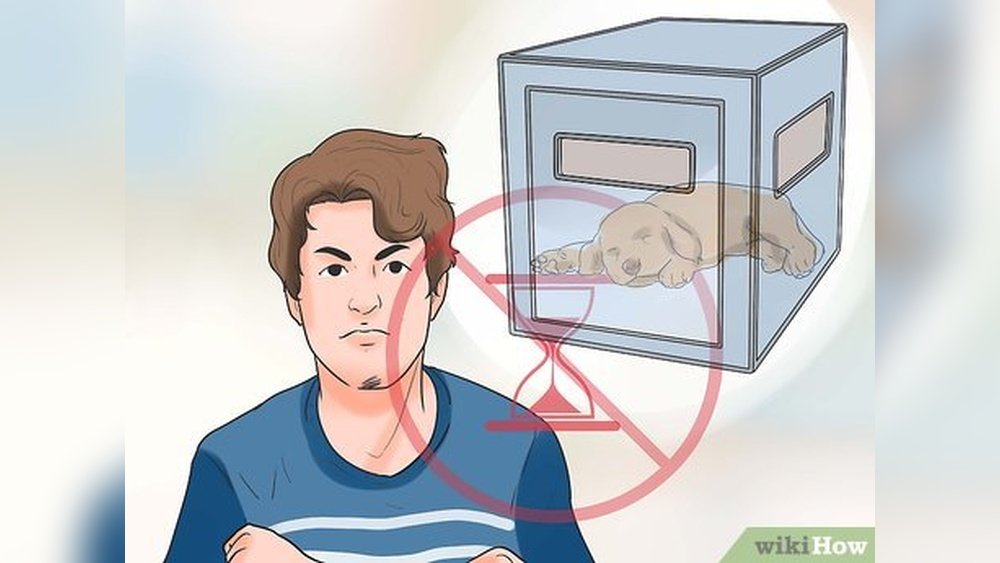
You love your dog, but when you leave the house, their crying breaks your heart—and it can also drive you a little crazy. If your furry friend howls, whines, or cries every time you step out, you’re not alone.
Dogs often struggle with being left alone, and this can lead to stress for both of you. But what if you could help your dog feel calm and safe, even when you’re not around? You’ll discover simple, proven ways to stop your dog from crying when left alone.
By understanding why your dog reacts this way and learning easy techniques to ease their anxiety, you’ll create a happier environment for your pet—and more peace of mind for yourself. Keep reading, because these tips can change your dog’s alone time for the better.
Credit: www.medonemedicalgroup.com
Reasons Dogs Cry When Alone
Dogs cry when left alone for several reasons. Understanding these causes helps you calm your pet. Crying may signal distress or a need for attention. Some dogs feel lonely or scared without company. Others might react to changes in their environment or routine.
Recognizing why your dog cries guides you to address the problem effectively. It improves your dog’s comfort and your peace of mind. Below are key reasons and behaviors to watch for.
Separation Anxiety Signs
Separation anxiety is a common cause of crying. Dogs with this condition show stress when alone. They may bark loudly, whine, or howl. Some dogs pace, drool, or try to escape. Destructive behaviors like chewing furniture also occur. These signs show deep anxiety, not just boredom.
Normal Vs Anxious Behavior
Not all crying means anxiety. Normal behavior includes brief whining or barking at first. Dogs may call out to check where you are. Calm dogs settle down after a short time alone. Anxious dogs continue crying, sometimes for hours. They look restless and upset, not relaxed. Observing these differences helps you respond properly.

Credit: esmiraldadewaal.nl
Calm Departures And Returns
Calm departures and returns help reduce your dog’s anxiety. Keeping these moments low-key makes your dog feel safe. They learn leaving and coming back are normal events. This approach lowers crying and stress.
Avoid Emotional Goodbyes
Do not say long, emotional goodbyes. Avoid hugging or baby talk before you leave. These actions make your dog more anxious. Instead, keep your leave routine simple and quiet. Walk out the door calmly without looking back.
Neutral Re-entries
When you return, stay calm and quiet for a few minutes. Avoid exciting greetings or loud voices. Let your dog settle before giving attention. This shows your return is normal, not a big event. It lowers the chance of crying or jumping.
Desensitize Departure Triggers
Dogs learn to expect you are leaving by certain cues. Pick up your keys or put on your coat often without leaving. This breaks the link between these actions and your departure. Your dog stays calm when seeing these triggers. Practice short absences and slowly increase the time away.
Gradual Alone Time
Helping your dog get used to being alone is key to stopping crying. Gradual alone time builds their confidence. It teaches them that being alone is safe and okay. You start with very short absences. Then, you slowly increase the time you are away. This method eases your dog’s stress and reduces crying.
Increase Duration Slowly
Begin with just a few seconds apart from your dog. Stay calm and quiet during these breaks. If your dog stays calm, add a few more seconds next time. Gradually increase to minutes, then longer periods. Stop increasing time if your dog gets anxious or cries. Repeat the same length until your dog feels relaxed. This slow progress helps your dog adjust without fear.
Use Special Distractions
Give your dog a favorite toy or treat only when you leave. Puzzle toys filled with treats keep their mind busy. Chew toys that last long are great distractions too. These special items make alone time fun, not scary. Your dog will focus on the toy, not on your absence. Take the toy away when you return to keep it special.
Provide Comfort Items
Leave something with your scent, like a worn shirt. Your smell soothes your dog and feels familiar. Soft background noise like a radio or white-noise machine can help. These sounds mask outside noises that might scare your dog. Comfort items create a safe space your dog can relax in. This support reduces feelings of loneliness and worry.
Training Techniques
Training techniques help your dog learn calmness while alone. You build good habits step by step. Consistency and patience are key. Use these methods to reduce crying and anxiety. Your dog will feel safer and more relaxed over time.
Ignore Crying To Avoid Reinforcement
Do not respond when your dog cries. Attention can teach them to cry more. Wait until they stop before giving any attention. This shows crying does not get rewards. It may be hard at first but stays effective.
Reward Calm Behavior
Give treats or praise only when your dog is quiet. Calm moments deserve positive feedback. Reward calmness in short alone times. This encourages your dog to stay relaxed. Use treats that your dog loves for best results.
Practice Out-of-sight Stays
Start by leaving your dog in another room briefly. Increase the time slowly as they stay calm. Do not make a big deal leaving or returning. This teaches your dog you will come back. They learn alone time is safe and normal.
Helpful Tools And Toys
Using the right tools and toys can help reduce your dog’s crying when left alone. These items keep your dog busy and calm. They also create a positive experience during your absence. The following tools have proven effective for many dog owners.
Stuffed Puzzle Toys
Stuffed puzzle toys challenge your dog’s mind and keep them occupied. You can fill them with treats or kibble. Dogs focus on solving the puzzle to get the food inside. This distraction lowers anxiety and reduces crying. Puzzle toys also provide mental stimulation, which tires your dog out naturally.
Frozen Peanut Butter Chews
Frozen peanut butter chews offer a tasty, long-lasting treat. Freeze peanut butter inside a chew toy or Kong. The cold texture soothes your dog’s gums and keeps them busy. This treat encourages calm behavior and helps stop whining. It also creates a positive association with being alone.
Background Noise Machines
Background noise machines play soft sounds like white noise or gentle music. These sounds mask outside noises that may scare your dog. The calming background noise creates a peaceful environment. It helps your dog feel less lonely and stressed. Leaving this on can reduce crying and barking during your absence.
Tailoring Your Approach
Every dog is unique. Tailoring your approach helps address your dog’s specific needs. Understanding your dog’s behavior guides effective solutions. This section explains how to customize your strategy.
Assess Crying Duration
Note when your dog starts crying after you leave. Track how long the crying lasts each time. Short bursts may mean mild discomfort. Longer crying can signal deeper anxiety. Record this to see patterns and progress.
Identify Stress Behaviors
Look for signs like pacing, drooling, or destructive chewing. These behaviors show your dog’s stress level. Some dogs may bark loudly or scratch doors. Others may hide or refuse to eat. Spotting these helps you understand what triggers anxiety.
Customize Desensitization Plan
Create a plan based on your dog’s specific needs. Start with short absences and increase time gradually. Use toys or treats to keep your dog calm. Practice leaving without fanfare to reduce stress. Adjust steps as your dog improves or struggles.
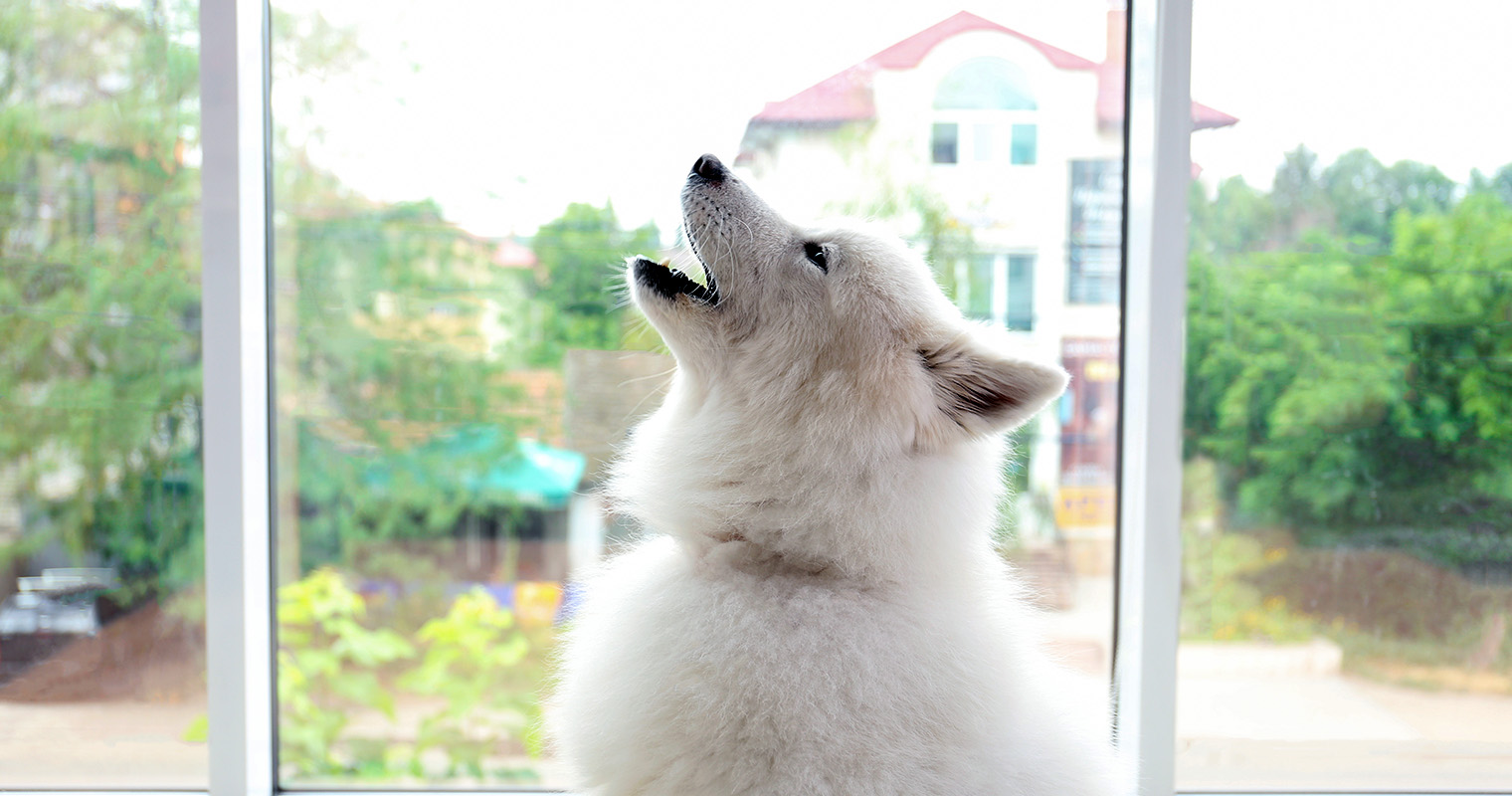
Credit: www.medonemedicalgroup.com
Frequently Asked Questions
Why Do Dogs Cry When They Are Left Alone?
Dogs cry when left alone due to separation anxiety or boredom. They seek comfort and companionship to feel safe and secure.
How Long Will A Dog Cry When Left Alone?
A dog may cry for minutes to several hours when left alone, especially with separation anxiety. Time varies by dog and training.
How To Stop A Dog With Separation Anxiety From Crying?
Calmly ignore your dog’s goodbyes and returns. Gradually increase alone time, use distraction toys, and desensitize departure cues like keys. Provide comfort items and keep departures low-key to reduce crying from separation anxiety.
Is It Cruel To Leave A Dog With Separation Anxiety?
Leaving a dog with separation anxiety can cause stress and emotional pain. It’s important to gradually train and comfort them to reduce suffering.
Conclusion
Stopping your dog from crying when left alone takes time and patience. Start with short separations and stay calm during goodbyes. Use treats and toys to create positive associations. Gradually increase alone time to build your dog’s comfort. Watch for signs of stress and adjust your approach as needed.
With consistent effort, your dog will learn to feel safe and relaxed alone. Keep routines simple and steady for the best results. Your dog’s quiet time will improve step by step.