
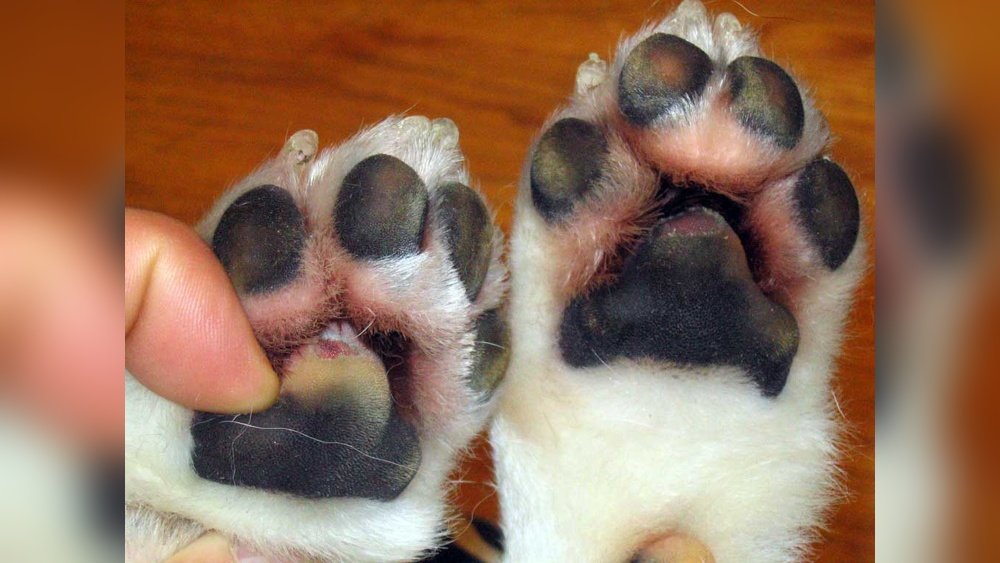
Your dog’s paws are tough, but hot pavement can cause painful burns in just minutes. If you’ve ever noticed your furry friend limping or licking their paws after a walk on a sunny day, you might be dealing with a paw burn.
Knowing how to treat these burns quickly and effectively is crucial to prevent infection and help your dog heal comfortably. You’ll discover simple, clear steps to care for your dog’s burned paws, when to seek veterinary help, and how to keep this from happening again.
Keep reading to protect your best friend’s paws from the heat and keep their tail wagging!
Signs Of Paw Burns
Burned dog paws from hot pavement show clear signs. Early recognition helps treat the injury quickly. Watch your dog closely after walking on hot surfaces. Signs can vary from mild to severe.
Redness And Swelling
Redness is one of the first signs of paw burns. The skin on the paw pads looks pink or red. Swelling often follows as the body reacts to the heat damage. The paws may feel warm to the touch. These signs mean the skin is irritated and inflamed.
Blisters And Raw Skin
Blisters can form on the paw pads after a burn. They appear as small bubbles filled with fluid. Raw or peeling skin shows more severe damage. These signs point to second-degree burns. Blisters or raw areas need careful cleaning and vet attention to avoid infection.
Limping And Licking Behavior
Dogs with burned paws often limp or hold up the injured foot. Limping shows the dog feels pain when walking. Licking the paws is another common sign. Dogs lick to soothe the discomfort or clean the wound. Excessive licking can worsen the injury and delay healing.

Credit: naturaldog.com
Immediate First Aid
Immediate first aid is critical to ease your dog’s paw burn pain and prevent further injury. Act quickly to protect your pet from worsening damage. Use gentle care and avoid anything that might harm your dog more. Follow simple steps to give your dog relief and start healing right away.
Move Off Hot Surface
Carry your dog away from hot pavement at once. Move to a cooler place like grass or indoors. This stops more heat from hurting the paws. Keep your dog calm to avoid putting weight on the sore paws.
Cool Paws With Water
Run cool water over your dog’s paws for several minutes. Use clean, lukewarm water—not ice or very cold water. Cold water can cause more pain and damage. Cooling reduces swelling and soothes the burn quickly.
Clean The Paw Gently
Use a soft cloth or gauze to wipe dirt away from the burn. Do not rub or scrub the paw. Cleaning helps prevent infection and keeps the wound clear. Avoid harsh soaps or chemicals that can irritate the skin.
Avoid Harmful Home Remedies
Do not apply butter, oils, or human creams on the burn. Many household items can worsen the injury or poison your dog if licked. Stick to water for cleaning and cooling until you get professional advice.
When To Visit The Vet
Home treatment options provide a gentle way to care for your dog’s burned paws. Acting fast helps reduce pain and prevents infection. Use safe, vet-approved products and keep the paws clean and protected. These steps support healing and comfort at home.
Using Vet-approved Balms
Apply balms made specifically for dogs. These soothe burns and speed up healing. Avoid human creams, which may harm your dog if licked. Follow package instructions for safe use. Reapply as needed to keep paws moist and protected.
Keeping Paws Protected
Cover the paws with soft bandages or booties. This stops dirt and germs from entering the burns. Change coverings daily or if they get wet. Avoid tight wraps that cut circulation. Let your dog rest to reduce pressure on injured paws.
Preventing Further Irritation
Limit walks on hot surfaces until paws heal. Choose grassy or shaded paths instead. Check paw pads regularly for signs of new damage. Keep nails trimmed to avoid extra paw stress. Use paw wax or protective booties during hot weather for extra safety.
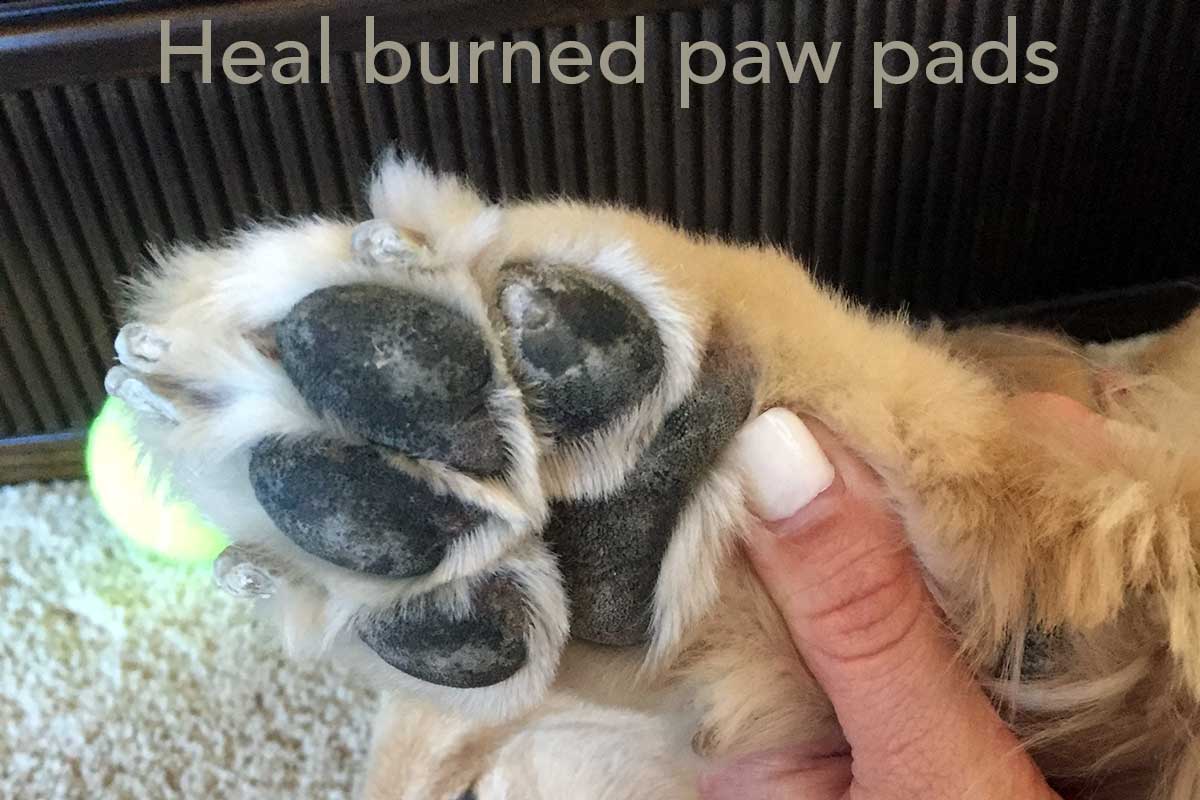
Credit: naturaldog.com
Home Treatment Options
Preventing paw burns is key to keeping your dog safe during hot days. Hot pavement can cause painful burns quickly. Taking simple steps helps protect your dog’s paws. Careful planning and awareness reduce the risk of injury. Here are effective ways to prevent paw burns.
Walking During Cooler Hours
Choose early mornings or late evenings for walks. Pavement is cooler at these times. Avoid walking during midday heat when surfaces are hottest. Cooler hours lower the chance of burns. Your dog will stay comfortable and safe on walks.
Testing Pavement Temperature
Touch the pavement with your hand or bare foot before walking. If it feels too hot for you, it’s too hot for your dog. A simple rule: if you can’t hold your hand on the ground for five seconds, skip the walk or find grass. Testing prevents painful burns before they happen.
Protective Paw Wear
Use dog boots or paw protectors for extra safety. They shield paws from hot surfaces and rough terrain. Boots come in many sizes and styles to fit your dog. Protective wear can also keep paws clean and dry. This simple gear adds an important layer of protection during summer walks.
Preventing Paw Burns
Healing burned dog paws from hot pavement needs careful attention and time. The pads can feel very sore and may show redness or blisters. How fast your dog recovers depends on the burn severity and the care given. Proper healing helps avoid infections and long-term damage. This section explains the healing timeline and steps to care for your dog’s paws.
Expected Recovery Time
Minor burns usually heal within 5 to 7 days. The redness and swelling go down quickly with proper care. For more serious burns with blisters or open wounds, healing can take 2 to 4 weeks. During this time, the skin grows back and new paw pad tissue forms. Avoid walking on hot or rough surfaces to protect the paws. Your dog’s activity may need to be limited to help healing.
Monitoring For Complications
Watch the paws daily for signs of infection or worsening damage. Look for pus, foul smell, or increased redness. If your dog limps more or bites the paw often, infection might be present. Swelling that spreads or fever are also warning signs. Seek veterinary help if you see these symptoms. Early treatment prevents serious problems and speeds recovery.
Follow-up Care Tips
Keep the paws clean and dry. Wash gently with cool water and mild soap. Pat dry carefully. Use vet-recommended ointments or sprays to soothe and protect the skin. Avoid home remedies that can irritate or harm the paw. Cover the paws with breathable bandages if outdoors. Change bandages daily to keep the area clean. Limit your dog’s walks on hot or rough pavement until fully healed. Check paws regularly for any new damage or discomfort.

Credit: nndda.org
Frequently Asked Questions
What Can I Put On My Dog’s Burned Paws?
Move your dog to a cool area and rinse paws with room-temperature water. Gently clean with a soft cloth. Apply a pet-safe burn balm or ointment. Avoid human creams, oils, or butter. Wrap paws loosely with sterile gauze if needed.
Consult a vet for blisters or severe burns.
How Long Do Burnt Dog Paws Take To Heal?
Burnt dog paws usually heal within 1 to 3 weeks, depending on burn severity. Keep paws clean, cool, and protected. Seek veterinary care for blisters, bleeding, or severe pain to prevent infection and promote faster healing.
What Does A Dog’s Burnt Paw Look Like?
A dog’s burnt paw appears red, swollen, and may have blisters or raw, peeling skin. The dog might limp or lick the paw.
What Ointment Is Good For Dog Burns?
Use a vet-approved ointment like aloe vera gel, silver sulfadiazine cream, or a paw-specific balm. Keep the burn clean and dry. Avoid human creams or oils to prevent irritation or toxicity. Consult your vet for severe burns or signs of infection.
Conclusion
Treating burnt dog paws quickly helps prevent pain and infection. Always move your dog off hot pavement right away. Use cool water to soothe the pads, never ice or harsh substances. Keep the paws clean but avoid scrubbing or applying human creams.
Watch for signs like blisters, bleeding, or limping; these need a vet’s care. Protect the paws during travel to the vet with loose, sterile gauze. Regularly check pavement temperature before walks, especially in hot weather. Caring for your dog’s paws keeps them happy and safe during summer outings.