
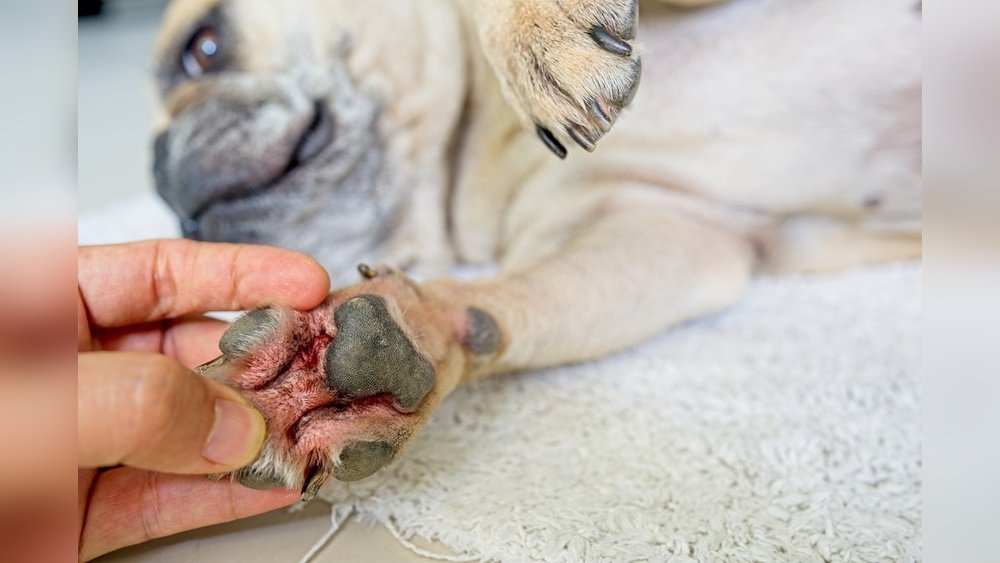
Is your dog’s paw red, swollen, and causing them discomfort? Seeing your furry friend in pain can be worrying, but you don’t have to feel helpless.
Knowing how to treat a red swollen dog paw quickly and effectively can make a huge difference in your dog’s comfort and recovery. You’ll learn simple, easy-to-follow steps you can take right at home to soothe your dog’s paw, when to seek professional help, and tips to prevent future paw problems.
Keep reading to help your dog get back on their feet and feeling happy again.

Credit: lavengel.com
Causes Of Red Swollen Dog Paw
Red, swollen paws in dogs can signal different health problems. Understanding the causes helps in giving the right care. Some causes are simple injuries, while others may need medical treatment. Knowing what triggers the swelling guides you to act fast and protect your dog’s paws.
Injuries And Trauma
Dogs often hurt their paws while running or playing. Cuts, scrapes, or bruises cause redness and swelling. Stepping on sharp objects like glass or rocks can lead to injury. Trauma may also come from rough surfaces or heavy impact. Swollen paws from injuries can be painful and need attention.
Infections And Allergies
Infections are a common cause of red, swollen paws. Bacteria or fungi can enter through small cuts or cracks. Allergies to grass, pollen, or chemicals also cause inflammation. Allergic reactions make paws itchy and swollen. Both infections and allergies require proper treatment to heal.
Foreign Objects And Irritants
Small items like thorns, splinters, or burrs can get stuck in paws. These foreign objects irritate the skin and cause swelling. Harsh chemicals or salt on roads may also irritate paws. Dogs lick their paws to soothe discomfort, which can worsen swelling. Removing objects and cleaning paws helps reduce irritation.
Underlying Medical Conditions
Sometimes, swollen paws point to deeper health issues. Conditions like arthritis or autoimmune diseases cause joint swelling. Hormonal imbalances or poor circulation may also affect paw health. Chronic problems need veterinary care to manage symptoms and improve comfort.

Credit: www.cosmosscholars.com
Home First Aid Steps
Red, swollen paws can cause your dog discomfort and pain. Acting quickly with simple home first aid steps can help ease the swelling. These steps also reduce the risk of infection and further injury. Keep calm and gently care for your dog’s paw using the methods below.
Checking For Cuts And Splinters
Carefully examine your dog’s paw for cuts, scrapes, or splinters. Look between the toes and pads for sharp objects. Remove any visible debris with tweezers or your fingers. Avoid digging too deep to prevent more pain or bleeding.
Cleaning The Paw
Use warm water and mild soap to clean the paw. Gently rinse away dirt and bacteria. Pat the area dry with a clean towel. Clean paws heal faster and help prevent infection.
Epsom Salt Soaks
Prepare a warm water soak with Epsom salts. Soak your dog’s paw for 5 to 10 minutes. Epsom salts reduce swelling and soothe irritation. Repeat this soak once or twice a day as needed.
Applying Cool Compresses
Apply a cool, damp cloth or ice pack wrapped in a towel to the swollen paw. Leave it on for 10 to 15 minutes. Cool compresses help lower swelling and ease pain. Avoid placing ice directly on the skin.
Preventing Licking And Biting
Keep your dog from licking or biting the injured paw. Use an Elizabethan collar or a protective sock. Licking can worsen swelling and cause infection. Protecting the paw supports faster healing.
When To See A Vet
Knowing when to see a vet for a red, swollen dog paw is crucial. Some signs show that home care is not enough. Early veterinary care can prevent serious problems. Watch your dog closely to catch these signs early. Quick action helps your dog heal faster and avoids pain.
Severe Swelling Or Worsening Symptoms
Severe swelling means the paw grows bigger fast. The skin may feel hot and tight. If the swelling spreads or worsens after home care, see a vet. This can signal infection or a deeper injury. Do not wait to get professional help.
Presence Of Blood, Pus, Or Foul Odor
Blood or pus shows infection or a wound that needs attention. A foul smell often means bacteria are present. These signs require immediate veterinary care. The vet can clean the wound and give medicine to stop infection.
Intense Pain Or Limping
If your dog shows strong pain or limps, it needs a vet. Pain that stops your dog from walking or using the paw is serious. A vet will check for fractures, sprains, or infections. Early pain treatment improves recovery.
Persistent Or Recurring Issues
If the swelling comes back or lasts more than a few days, see a vet. Chronic problems may mean allergies or ongoing infections. A vet can diagnose the cause and suggest long-term treatment. Don’t ignore repeated paw troubles.
Common Treatments And Remedies
Red, swollen paws in dogs need quick care to ease pain and prevent infection. Common treatments help reduce swelling, fight infection, and soothe discomfort. Understanding these remedies guides proper care and speeds up healing.
Anti-inflammatory Medications
Anti-inflammatory drugs reduce swelling and calm redness. They help your dog feel more comfortable. These medicines include nonsteroidal anti-inflammatory drugs (NSAIDs) prescribed by a vet. Never give human medications without vet advice. Follow the vet’s dosage and schedule carefully.
Antibiotics For Infections
If the swollen paw shows signs of infection, antibiotics may be needed. Infections cause pus, heat, and worsening swelling. A vet will examine the paw and prescribe oral or topical antibiotics. Complete the full course to fully clear the infection. Avoid stopping treatment early.
Topical Ointments And Sprays
Applying ointments or sprays helps soothe irritation and protect the paw. These products often contain antiseptics or healing ingredients. They keep wounds clean and prevent bacteria from spreading. Use as directed by your vet to avoid further irritation.
Pain Management Options
Pain control improves your dog’s comfort during healing. Vets may recommend pain relievers safe for dogs. Cold compresses can also reduce pain and swelling. Avoid allowing your dog to lick or chew the paw, which can worsen pain.
Preventing Paw Swelling
Preventing paw swelling helps keep your dog comfortable and active. Swollen paws often cause pain and limping. Small actions at home reduce the risk of swelling. Regular care and attention protect your dog’s paws from injury and infection.
Regular Paw Inspections
Check your dog’s paws daily for cuts, swelling, or foreign objects. Look between the toes and pads carefully. Early detection stops problems before they worsen. Use a gentle touch to avoid causing pain. Clean any dirt or debris with warm water.
Protective Footwear And Paw Wax
Use dog boots on rough or hot surfaces to protect paws. Paw wax creates a barrier against ice, salt, and rough terrain. Both options help prevent cuts and dryness. Choose comfortable, well-fitting footwear to avoid rubbing. Apply paw wax before walks during harsh weather.
Avoiding Allergens And Irritants
Identify and avoid plants, chemicals, or substances that irritate your dog’s paws. Keep your dog away from lawns treated with pesticides. Rinse paws after walks in grassy or dusty areas. Use gentle, pet-safe cleaning products for paw care. Allergens often cause redness and swelling.
Proper Grooming And Hygiene
Trim hair around your dog’s paws to prevent dirt buildup. Keep nails short to avoid injury or discomfort. Bathe your dog regularly with mild shampoo to maintain clean paws. Dry paws thoroughly after walks or baths to prevent infections. Good hygiene reduces the chance of paw swelling.

Credit: www.wikihow.com
Tips For Monitoring Recovery
Monitoring your dog’s recovery from a red, swollen paw is crucial. It helps ensure the healing process goes smoothly. Careful observation and small adjustments can prevent further injury or infection.
Patience and attention to detail make a big difference. Watch for changes in the paw’s condition and your dog’s behavior. This section offers practical tips to track recovery effectively.
Tracking Swelling And Redness
Check the paw daily at the same time. Use a soft cloth to gently inspect the area. Note any changes in size, color, or warmth.
Take photos for comparison. Swelling should decrease gradually. Redness should fade within a few days. Sharp increases in swelling or redness need veterinary attention.
Adjusting Activity Levels
Limit your dog’s movement to prevent strain. Avoid running, jumping, or rough play. Short, controlled walks help maintain fitness without overuse.
Use a leash to control activity outdoors. If swelling worsens after exercise, reduce activity further. Gradually increase activity as the paw heals.
Ensuring Proper Rest
Create a quiet, comfortable resting spot. Keep your dog off hard or rough surfaces. Soft bedding reduces pressure on the paw.
Discourage licking or biting the paw. Use an Elizabethan collar if needed. Rest supports healing by reducing irritation and stress.
Follow-up Care And Vet Visits
Schedule follow-up appointments as advised by your vet. Share your observations about swelling and redness. Mention any new symptoms or changes.
Follow the vet’s instructions on medication and care. Do not stop treatments early, even if the paw looks better. Timely vet visits prevent complications and ensure full recovery.
Frequently Asked Questions
What Can I Put On My Dog’s Red Inflamed Paws?
Clean your dog’s paw with warm water and mild soap. Apply a cool compress or soak in Epsom salts. Prevent licking using a cone. Consult a vet if redness, swelling, or pain worsens.
How Do I Make My Dog’s Paw Swelling Go Down?
Check your dog’s paw for cuts, splinters, or debris. Clean with warm water and mild soap. Apply a cool compress or soak in Epsom salts for 5-10 minutes. Prevent licking using a cone. Consult a vet if swelling worsens, pus appears, or your dog shows severe pain.
Can A Dog’s Swelling Infected Paw Heal On Its Own?
A dog’s swollen, infected paw rarely heals alone. Clean the paw, prevent licking, and seek veterinary care promptly to avoid complications.
Why Are My Dog’s Paws Swollen And Red?
Swollen, red paws often indicate injury, infection, or allergies. Check for cuts, splinters, or irritants. Clean gently and prevent licking. Use a cool compress or Epsom salt soak. Consult a vet if swelling worsens, pus appears, or your dog shows severe pain.
Conclusion
Treating a red, swollen dog paw requires quick, gentle care. Check the paw for cuts, splinters, or bugs first. Clean it with warm water and mild soap. Use a cool compress or soak the paw in Epsom salts to reduce swelling.
Keep your dog from licking or biting the area by using a cone or collar. Watch for signs like pus, bleeding, or severe pain. Always seek veterinary help if symptoms worsen or do not improve. Taking these steps helps your dog heal faster and feel better soon.