
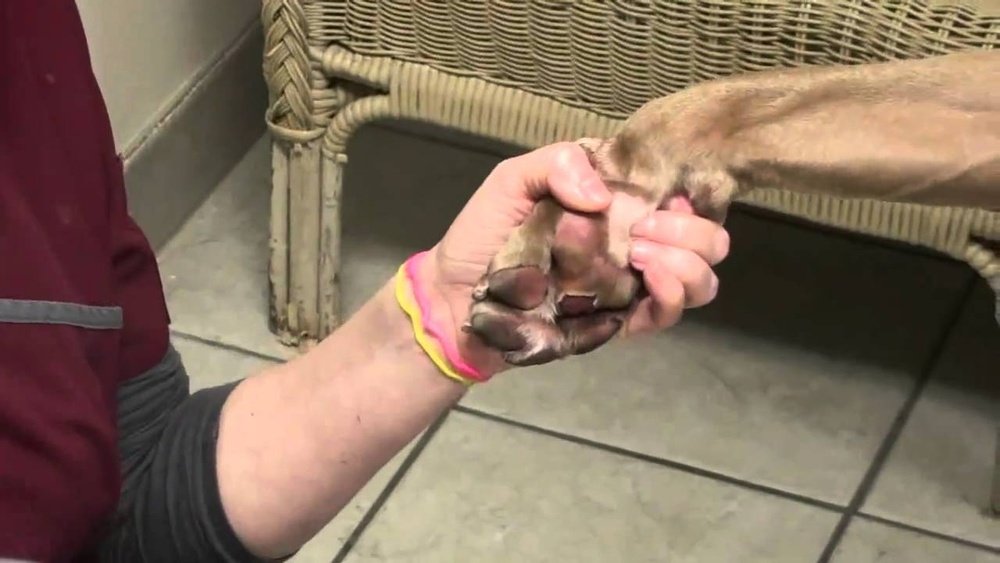
If your dog is limping or licking one paw more than usual, it could be a blister that’s causing discomfort. Paw blisters are not only painful for your furry friend but can also lead to infections if left untreated.
You want to help your dog feel better quickly and prevent further damage, but how do you do that safely at home? In this guide, you’ll learn simple, effective steps to treat a dog blister on the paw, keep it clean, and protect it from irritation.
Plus, you’ll find out when it’s important to see a vet to ensure your dog’s paw heals properly. Keep reading—your dog’s comfort depends on it!
Causes Of Paw Blisters
Paw blisters in dogs form when their skin faces damage or irritation. These blisters can cause pain and discomfort, making it hard for your dog to walk. Understanding what causes paw blisters helps prevent them and treat them properly. Several common factors can lead to blisters on your dog’s paws.
Hot Surfaces And Pavement
Hot pavement can burn your dog’s paw pads quickly. On sunny days, asphalt can reach extreme temperatures. Walking on these surfaces causes heat damage to the skin. This damage results in painful blisters. Dogs with light-colored paws are more vulnerable to burns.
Rough Terrain And Gravel
Sharp rocks and rough ground can scrape your dog’s paws. Small cuts and abrasions may turn into blisters. Hiking trails or uneven gravel roads often cause this problem. Dogs running fast over rough terrain risk more injury. Blisters form as the skin tries to protect itself.
Chemical Irritants
Cleaning products, fertilizers, or salt can irritate paw pads. Chemicals cause burning and itching sensations. Your dog may lick or bite the sore spots. Blisters may develop due to skin inflammation. Avoid allowing your dog to walk on treated grass or floors with harsh chemicals.
Excessive Walking Or Running
Long walks or intense running can stress your dog’s paws. Repeated friction causes skin to rub raw. Blisters appear as a protective response. Puppies and older dogs are more prone to this injury. Monitor your dog’s activity to prevent overexertion and paw damage.
Identifying Paw Blisters
Identifying a blister on your dog’s paw is the first step in proper treatment. Blisters can cause discomfort and may lead to infection if untreated. Knowing the signs helps you act quickly to protect your dog’s paw.
Look closely at your dog’s paw pads. Blisters often appear as raised, fluid-filled bumps. They can form from friction, burns, or contact with rough surfaces. Early detection prevents further damage and speeds healing.
Signs And Symptoms
A paw blister looks like a small bubble on the pad. It may be clear or slightly cloudy. Your dog might lick or bite the blister. Limping or favoring the paw is common. The area can be red and tender. Swelling may also occur around the blister. Watch for these signs after walks or playtime on hot or rough ground.
Difference Between Blisters And Other Injuries
Blisters differ from cuts or scrapes by having a fluid-filled sac. Cuts are open wounds with bleeding. Scrapes remove the top skin layer and look raw. Blisters keep the skin intact but raised. Burns cause redness and peeling without a bubble. Calluses are thick and rough, not fluid-filled. Identifying the injury type helps you choose the right treatment.
First Aid For Paw Blisters
First aid for paw blisters is crucial to help your dog heal quickly. Acting fast reduces pain and prevents infection. The right steps protect the delicate skin and keep your dog comfortable.
Begin by gently cleaning the blistered paw. Avoid actions that could cause more damage. Keeping the paw dry and clean supports natural healing.
Rinsing And Cleaning
Use cool, clean water to rinse the blister gently. This removes dirt and debris without causing pain. Avoid harsh soaps or chemicals that might irritate the skin. Patience is key; take your time to clean the area softly.
Avoid Popping The Blister
Do not pop the blister. The blister’s skin acts as a natural barrier. It shields the raw tissue underneath from germs and dirt. Popping can lead to infection and slow healing. Let the blister heal on its own.
Drying The Paw
After rinsing, dry the paw carefully. Use a clean, soft towel and pat gently. Avoid rubbing, which can break the skin. A dry paw prevents bacteria from growing and reduces irritation.
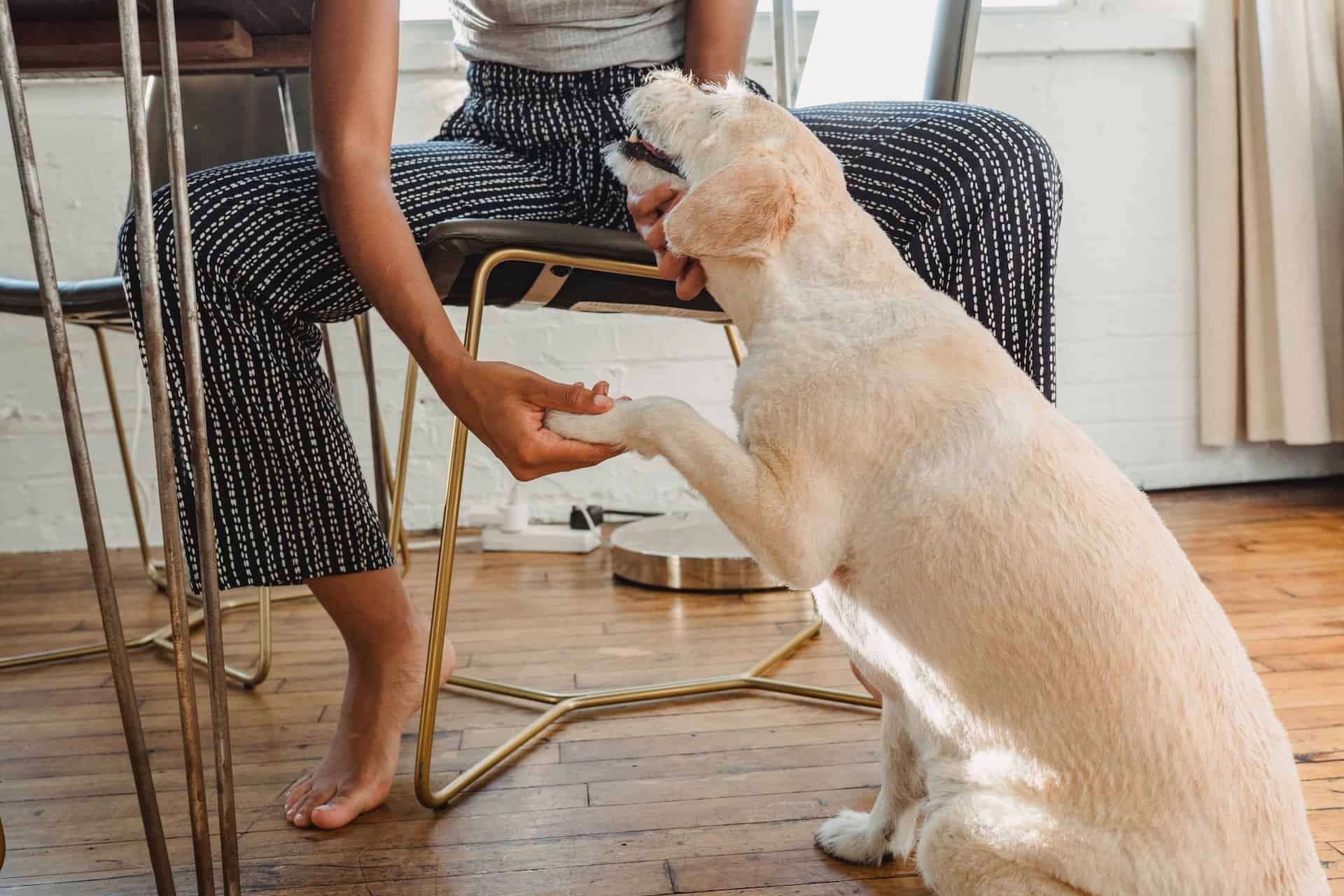
Credit: roguepetscience.com
Protecting The Blister
Protecting a blister on your dog’s paw is key to a quick recovery. The blister needs care to stop infection and pain. Keeping the area safe from damage helps the skin heal properly. Use gentle methods to avoid making the blister worse.
Preventing Licking And Biting
Dogs often lick or bite at blisters, which can cause infection. Keep your dog from touching the blister with their mouth. Use distractions like toys or treats to keep their attention away. Watch your dog closely to stop any licking or biting early. This step helps the blister stay clean and intact.
Using Elizabethan Collars
An Elizabethan collar, or cone, stops your dog from licking or biting the blister. It fits around the neck and prevents the dog from reaching the paw. Choose a comfortable collar that fits well. This tool protects the blister while your dog moves around. Most dogs get used to it quickly.
Bandaging Techniques
Proper bandaging protects the blister from dirt and pressure. Use a clean, non-stick pad over the blister first. Wrap the paw gently with a soft bandage to hold the pad in place. Avoid wrapping too tight, which can cut off circulation. Change the bandage daily or if it gets wet or dirty. This keeps the blister clean and helps your dog walk safely.
Home Treatments
Home treatments offer simple ways to soothe your dog’s paw blister. Acting early can help prevent infection and speed healing. Use gentle methods to care for the blister without causing pain or damage.
Keep the area clean and avoid popping the blister. Protecting the skin helps it repair naturally. Use safe products designed for pets to support healing and comfort.
Applying Ointments And Moisturizers
Choose ointments that soothe and protect the blister. Natural options like aloe vera or petroleum jelly can keep the skin soft. Apply a thin layer gently to avoid breaking the blister.
Ointments create a barrier against dirt and moisture. This helps reduce irritation and promotes faster healing. Reapply after cleaning the paw or if the dog licks it.
Using Antibiotic Creams
Antibiotic creams help prevent infection in broken or delicate skin. Use a cream made for pets or recommended by your vet. Apply carefully around the blister without rubbing hard.
Watch for signs of infection like redness or pus. Stop using the cream and consult your vet if the condition worsens. Antibiotic creams protect the paw while it heals.
Keeping The Paw Moisturized
Moist skin heals better and feels less itchy or tight. Use gentle moisturizers safe for dogs to keep the paw hydrated. Avoid human lotions that might irritate your pet’s skin.
Regular moisturizing softens dry skin around the blister. It helps prevent cracking and additional pain. Keep the paw clean and dry before applying any moisturizer.

Credit: www.petassure.com
Managing Activity And Environment
Managing your dog’s activity and environment plays a key role in healing paw blisters. Reducing stress on the injured paw helps prevent further damage. Creating a calm, clean space also lowers infection risks. Adjust daily routines to support recovery.
Limiting Walking And Exercise
Cut back on your dog’s walks and playtime. Short, gentle strolls replace long, rough walks. Avoid running, jumping, or hiking on hard surfaces. Rest allows the blister to heal faster. Keep your dog calm and avoid excitement that leads to excessive movement.
Keeping The Dog Indoors
Keep your dog inside during the healing period. Indoor floors are softer and cleaner than outdoor surfaces. This reduces the chance of dirt entering the blister. Avoid wet or muddy areas that can worsen the injury. Provide a cozy spot for your dog to relax.
Using Protective Socks Or Booties
Protective socks or booties shield the blister from dirt and rough ground. Choose soft, breathable materials to avoid irritation. These coverings help keep the paw clean and dry. Use them during necessary outdoor trips. Change or clean them regularly to maintain hygiene.
When To Visit The Veterinarian
Knowing when to visit the veterinarian is key to your dog’s quick recovery. Blisters on paws often heal with simple home care. Some signs need professional help to avoid complications. Watch your dog’s paw carefully after spotting a blister. Acting early prevents serious infections and pain.
Signs Of Infection
Infection makes the paw red and swollen. The blister area may feel warm to touch. Pus or a bad smell can come from the blister. Your dog might lick or bite the paw more than usual. These signs mean a vet visit is necessary.
Blister Rupture And Bleeding
A burst blister exposes raw skin underneath. Bleeding may occur and the area looks more painful. Open blisters can let in dirt and germs easily. Do not try to treat a bleeding blister at home. A vet can clean and protect the wound properly.
Persistent Pain Or Swelling
Keep an eye on your dog’s pain level. If the paw stays swollen or painful after a few days, see a vet. Your dog may limp or refuse to walk. Persistent pain can signal deeper damage or infection. Prompt veterinary care helps your dog heal faster.
Preventing Future Blisters
Preventing future blisters on your dog’s paws is key to keeping them happy and healthy. Blisters often form from irritation or injury, so caring for your dog’s paws regularly helps avoid these painful spots. Protecting paws from harsh conditions and using suitable products can reduce blister risks significantly.
Paw Care And Maintenance
Check your dog’s paws daily for cuts, cracks, or foreign objects. Trim hair between the pads to prevent matting and dirt buildup. Clean the paws after walks using a damp cloth or gentle rinse. Keep nails short to avoid uneven pressure on the paw pads. Apply a pet-safe moisturizer to keep the skin soft and flexible.
Avoiding Harsh Surfaces
Limit walks on hot pavement, rough gravel, or sharp rocks. Choose grassy or shaded areas for exercise. Avoid walking your dog during peak heat hours. Snow and ice can also irritate paws, so wipe paws after winter walks. Watch your dog for signs of discomfort during outdoor activities.
Using Paw Protection Products
Use dog boots or paw sleeves for extra protection on rough or hot surfaces. Apply paw wax or balms designed to shield pads from damage. These products create a barrier that prevents dryness and cracking. Make sure the products are safe and non-toxic for dogs. Replace or clean boots regularly to avoid irritation.

Credit: www.reddit.com
Frequently Asked Questions
How Long Do Dog Paw Blisters Take To Heal?
Dog paw blisters usually heal within 7 to 14 days with proper care. Keep the paw clean, dry, and prevent licking. Consult a vet if the blister worsens or shows infection signs.
Why Is There A Blister On My Dog’s Paw?
A blister on your dog’s paw often results from friction, burns, allergies, or infections. It signals skin irritation or injury.
Can I Put Neosporin On My Dog’s Sores?
You can apply a small amount of Neosporin to your dog’s sores, but avoid licking. Consult a vet for proper care.
What Helps A Blister Go Away Fast?
Clean the blister with cool water and keep it intact. Prevent licking using a cone. Limit activity and apply a protective ointment. Seek vet care if infection or severe pain occurs.
Conclusion
Treating a dog’s paw blister requires gentle care and patience. Keep the blister clean and avoid popping it. Use an Elizabethan collar to stop licking and protect healing skin. Limit your dog’s activity to prevent further damage. Watch for signs of infection like redness, swelling, or bad smell.
Visit a vet if the blister worsens or your dog shows pain. Early care helps your dog recover faster and stay comfortable. Always handle paw blisters with care to support healing and prevent complications.