
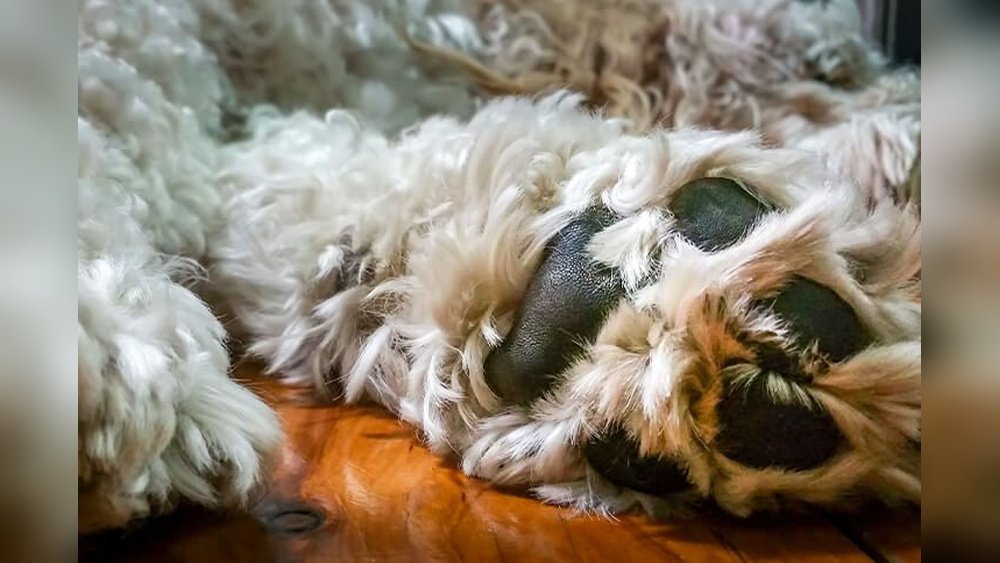
If you’ve noticed your dog limping or favoring one paw, it could be a sign that their paw is swollen. Swollen paws in dogs are not only uncomfortable for your furry friend but can also be a sign of injury or infection that needs your immediate attention.
You want to help your dog feel better quickly, but it’s not always clear what steps to take or when to call the vet. In this guide, you’ll learn how to recognize the causes of swollen paws, simple home treatments you can try right away, and crucial signs that mean your dog needs professional care.
Keep reading to make sure you’re ready to protect your dog’s paws and keep them happy and healthy.

Credit: www.wikihow.com
Common Causes
Home care plays a key role in treating your dog’s swollen paws. Acting quickly can ease discomfort and prevent infection. Follow these simple steps to help your dog feel better at home.
Inspecting The Paw
Start by gently examining the swollen paw. Look between the toes and pads for anything unusual. Check for thorns, splinters, burrs, or ticks. Notice any cuts, redness, or swelling. Take note of your dog’s reaction to touch. This helps identify the cause and severity of the problem.
Removing Debris Safely
Use clean tweezers to remove visible debris carefully. Do not force anything deep inside the paw. If an object is stuck or the paw is very sore, stop and seek veterinary help. Removing debris reduces irritation and lowers infection risk. Always handle your dog gently to avoid more pain.
Cleaning The Affected Area
Wash the paw with warm water and a mild, pet-safe soap. Avoid harsh chemicals or human products. Gently clean the area to remove dirt and germs. Pat the paw dry with a clean towel. Keeping the paw clean helps the healing process and prevents further issues.
Applying Cold Compress
Use a cold compress to reduce swelling and pain. Wrap ice or a cold pack in a thin cloth before applying. Place it on the swollen paw for 10 to 15 minutes. Repeat this every few hours as needed. Cold therapy calms inflammation and provides relief to your dog.

Credit: www.reddit.com
Home Care Steps
Knowing when to contact a vet for a dog’s swollen paw is crucial. Some signs need professional care to avoid worsening. Early vet visits can prevent infections and long-term damage.
Signs Of Infection
Watch for pus, bad smells, or heavy redness around the paw. The area may feel hot to touch. These signs show infection, needing a vet’s help fast. Untreated infections can spread quickly and harm your dog.
Severe Pain Or Lameness
If your dog limps badly or refuses to put weight on the paw, see a vet. Severe pain may hide broken bones or serious injuries. Pain that does not improve in a day needs medical attention.
Deep Cuts And Broken Nails
Deep cuts or broken nails can bleed a lot and cause infection. These injuries need professional cleaning and possible stitches. A vet can also give pain relief and antibiotics if needed.
Prolonged Swelling
Swelling that lasts more than two days without improvement is a concern. It could signal a hidden injury or infection. A vet can diagnose the cause and provide proper treatment.
When To Contact A Vet
Swollen paws can cause discomfort and pain for your dog. Providing quick relief helps reduce swelling and soothes irritation. Several remedies at home can ease your dog’s discomfort effectively. Always monitor your dog’s paw closely during treatment to prevent worsening symptoms.
Over-the-counter Options
Use pet-safe antiseptic sprays or wipes to clean the swollen area. These help prevent infections from dirt or bacteria. Antihistamines can reduce swelling caused by allergies or insect bites. Always check the correct dosage with your vet before giving any medication. Avoid human painkillers as many are toxic to dogs.
Anti-inflammatory Measures
Apply a cold compress wrapped in a cloth to the paw for 10 to 15 minutes. This helps reduce swelling and numbs pain. Elevate the paw if possible to limit blood flow and swelling. Keep your dog calm and restrict activity to avoid further injury. Your vet may recommend anti-inflammatory drugs for severe cases.
Preventing Licking And Chewing
Licking and chewing can worsen swelling and cause infections. Use an Elizabethan collar (cone) to stop your dog from reaching the paw. Bitter-tasting sprays can discourage chewing but ensure they are safe for dogs. Keep your dog’s nails trimmed to avoid accidental scratching. Distract your dog with toys or treats to reduce focus on the paw.
Frequently Asked Questions
Will Dog Paw Swelling Go Down On Its Own?
Dog paw swelling may reduce on its own if mild. Monitor closely and keep the paw clean. See a vet if swelling worsens, persists over 24-48 hours, or if pain, limping, or discharge occurs. Prompt vet care prevents complications and ensures proper treatment.
Will Benadryl Help My Dog’s Swollen Paw?
Benadryl may reduce mild allergy-related paw swelling in dogs. Always consult a vet before giving any medication to your dog.
How Do I Reduce Inflammation In My Dog’s Paws?
Check your dog’s paws for cuts, debris, or insect bites. Gently clean with warm water and pet-safe soap. Apply a cold compress to reduce swelling. Prevent licking to avoid irritation. Consult a vet if swelling or pain persists for proper treatment and anti-inflammatory care.
What Are Some Home Remedies For Swollen Dog Paws?
Check for thorns or debris and gently remove them with tweezers. Clean the paw with warm water and mild soap. Apply a cold compress to reduce swelling. Prevent licking by using an Elizabethan collar. Monitor for infection signs and consult a vet if swelling persists or worsens.
Conclusion
Swollen paws can cause discomfort and worry for any dog owner. Regularly check your dog’s paws for injuries or foreign objects. Clean and treat minor wounds promptly to prevent infection. Watch for signs like persistent swelling, redness, or limping. These may need a vet’s attention.
Early care helps your dog heal faster and stay happy. Taking simple steps at home makes a big difference in your dog’s comfort. Stay patient and gentle while treating your dog’s paws. Your careful care helps them get back to walking and playing soon.