
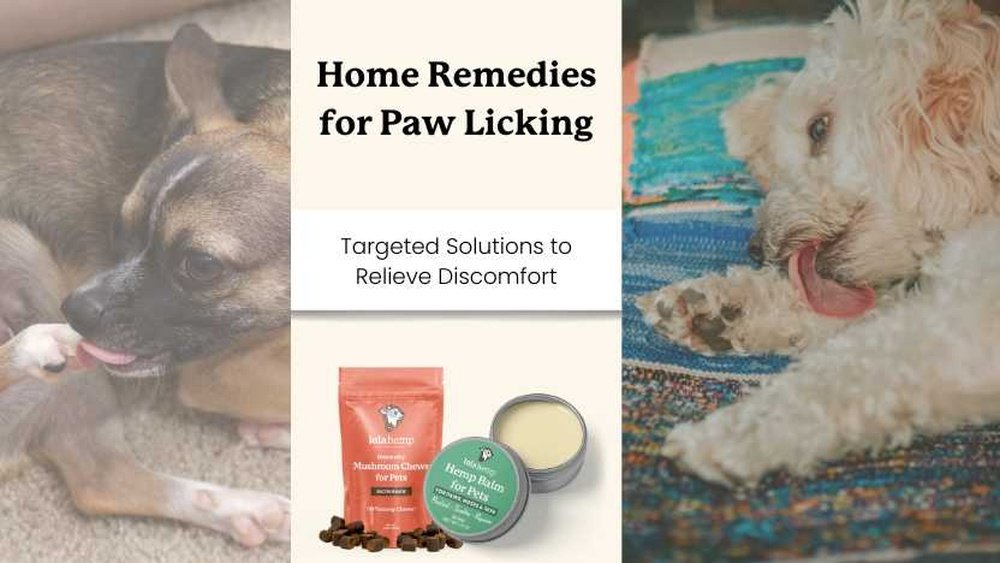
Is your dog constantly licking their paws, leaving you worried and unsure what to do? Paw licking might seem harmless, but when it becomes excessive, it can signal discomfort or even serious health issues.
You want your furry friend to feel comfortable and happy, and stopping this behavior is key to their well-being. You’ll discover practical, easy-to-follow steps to help you understand why your dog licks their paws and how you can effectively stop it.
Keep reading, because the solution to your dog’s paw licking problem is closer than you think—and your dog will thank you for it!

Credit: www.the-denture-place.com
Causes Of Paw Licking
Dogs lick their paws for many reasons. Understanding the cause helps stop this behavior. Paw licking can signal health or emotional problems. Watch your dog closely to notice patterns or changes.
Allergies And Irritants
Allergies often cause itchy paws. Dogs react to pollen, dust, or certain foods. Chemicals like lawn treatments can irritate the skin. Allergic paws may look red and swollen. Your vet can test for allergies and suggest treatments.
Infections And Parasites
Yeast and bacteria infections cause discomfort. Infected paws may have a bad smell or discharge. Parasites like fleas or mites also lead to licking. These infections need medical care to heal properly. Early treatment prevents worsening of the problem.
Injuries And Pain
Injuries such as cuts or torn nails cause licking. Dogs try to clean and soothe painful spots. Arthritis or joint pain can also make dogs lick their paws. Check paws carefully for wounds or swelling. Painful paws need veterinary attention to relieve discomfort.
Boredom And Anxiety
Dogs lick paws out of boredom or stress. This habit helps them calm down. Lack of exercise or mental stimulation increases licking. Providing toys and regular walks reduces anxiety. Training and attention can break the licking cycle.

Credit: www.wikihow.com
Identifying The Root Cause
Understanding why your dog licks its paws helps stop the behavior effectively. Dogs lick their paws for many reasons. Some causes are simple, like dirt or dryness. Others may need medical care. Finding the root cause prevents ongoing problems and discomfort for your pet.
Signs To Watch For
Look for redness or swelling on the paws. Check if your dog licks one paw more than others. Notice any limping or favoring a leg. Watch for hair loss or cracked skin. A foul smell may indicate infection. Excessive licking often means irritation or pain.
When To Visit The Vet
Visit the vet if licking lasts more than a few days. Seek help if paws look infected or swollen. Sudden limping or bleeding needs urgent care. If your dog seems restless or in pain, don’t wait. A vet can find hidden problems causing licking.
Diagnostic Tests
Vets use skin scrapings to check for mites or infections. Allergy testing may identify environmental or food triggers. Blood tests show immune or hormonal issues. X-rays help detect injuries or arthritis. Sometimes, a fungal culture finds yeast infections. Tests guide the right treatment for your dog.
Physical Barriers To Stop Licking
Physical barriers provide a simple, effective way to stop a dog from licking its paws. They block access and give the skin time to heal. These barriers come in different styles and materials. Choosing the right one helps keep your dog safe and comfortable while preventing further licking.
Elizabethan Collars
Elizabethan collars, also called “cones,” are common barriers. They fit around the dog’s neck and extend past the nose. This stops the dog from reaching its paws with its tongue. Cones are hard plastic or soft fabric. Hard cones give strong protection. Soft cones offer more comfort but less durability. Make sure the collar fits well to avoid slipping off or choking.
Baby Socks And Dog Booties
Baby socks and dog booties cover the paws directly. They act like a shield against licking and biting. Socks are lightweight and breathable but may slip off easily. Booties have straps or elastic bands to stay in place. They protect paws from dirt and injury too. Choose socks or booties made for dogs for the best fit and durability.
Safe And Comfortable Options
Comfort matters when using physical barriers. Some dogs dislike cones or coverings and may try to remove them. Soft, flexible collars or padded booties reduce stress. Use lightweight materials that allow paw movement and air flow. Check the barrier often for signs of irritation or rubbing. Remove barriers during rest or feeding times to give your dog a break.
Cleaning And Soothing Paws
Cleaning and soothing your dog’s paws plays a vital role in stopping excessive licking. Dirt, allergens, and irritants can stick to the paws during walks. Removing these helps reduce discomfort and licking urges. Regular care also promotes healing of dry or cracked skin. Gentle cleaning combined with soothing products keeps paws healthy and calm.
Rinsing After Walks
Rinse your dog’s paws with lukewarm water after every walk. This removes dirt, pollen, and chemicals picked up outside. Use a soft cloth or cup to pour water gently over the paws. Pat dry with a clean towel. Avoid harsh soaps that may irritate the skin further. This simple habit lowers the chance of paw irritation and licking.
Using Natural Paw Balms
Apply a natural paw balm to soothe dry, cracked pads. Look for balms with ingredients like shea butter, coconut oil, or beeswax. These ingredients moisturize and protect the skin. Rub a small amount into each paw, focusing on rough areas. Regular use keeps paws soft and less itchy. Avoid balms with artificial fragrances or chemicals that may cause reactions.
Medicated Shampoos And Sprays
Use medicated shampoos or sprays if your dog has infections or allergies. These products contain ingredients that fight bacteria or fungi. Follow the instructions carefully for safe application. Shampoos should be rinsed off thoroughly. Sprays can provide quick relief for itchy spots. Consult your vet before using medicated products to ensure they suit your dog’s condition.
Behavioral Approaches
Behavioral approaches play a key role in stopping a dog from licking its paws. Dogs often lick their paws out of boredom, stress, or anxiety. Changing their behavior can reduce this habit effectively. Focus on increasing physical activity, providing mental stimulation, and managing stress. These steps help your dog feel happier and less focused on licking.
Increasing Exercise And Play
Exercise helps burn off extra energy that may cause licking. Regular walks and playtime keep your dog physically tired. A tired dog is less likely to lick out of boredom. Try to include at least 30 minutes of activity daily. Use fetch, tug-of-war, or running games to engage your dog.
Interactive Toys To Reduce Boredom
Interactive toys keep your dog’s mind busy. Puzzle feeders or treat-dispensing toys give a fun challenge. These toys divert attention from licking paws. Rotate toys often to maintain interest. Providing toys during alone time helps reduce anxiety and boredom.
Stress And Anxiety Management
Stress often triggers paw licking in dogs. Create a calm and safe environment at home. Use soothing sounds or calming pheromone sprays. Try gentle massage or regular petting sessions. If anxiety is severe, consult your vet about behavior therapy or medication. Reducing stress lowers the need for self-soothing licking.
Home Remedies And Safe Treatments
Home remedies and safe treatments offer gentle ways to reduce your dog’s paw licking. These methods soothe irritation and discourage licking without harsh chemicals. Try simple solutions at home to help your dog feel better quickly.
Always monitor your dog’s paws for changes. If symptoms persist, consult a veterinarian for proper care.
Green Tea And Honey Mixtures
Green tea has natural antioxidants that calm irritated skin. Honey works as a mild antibacterial agent. Brew a cup of green tea, let it cool, and mix a small amount of honey in it. Use a clean cloth to apply this mixture to your dog’s paws. This soothes itching and promotes healing.
Apple Cider Vinegar Applications
Apple cider vinegar helps fight bacteria and fungi on your dog’s paws. Dilute it with equal parts water before use. Spray or gently wipe your dog’s paws with the solution. Avoid open wounds as vinegar may sting. This treatment reduces infection risk and discourages licking.
Pet-safe Bitter Sprays
Bitter sprays taste unpleasant and stop dogs from licking their paws. Choose sprays made specifically for pets to ensure safety. Apply the spray lightly on the paws, avoiding sensitive areas. Reapply as needed, especially after walks or baths. This method trains your dog to lick less.
Medications And Veterinary Care
Medications and veterinary care play a key role in stopping dog paw licking. A vet can diagnose the cause and suggest the right treatment. This approach helps your dog heal faster and feel better.
Some conditions need medicines to reduce itching, fight infections, or ease pain. Always follow your vet’s advice to keep your dog safe and healthy.
Allergy Medications
Many dogs lick their paws due to allergies. Vets often prescribe antihistamines to reduce itching. These medicines lower the allergic reaction and calm the skin.
In some cases, steroids help control severe inflammation. Allergy shots may also be recommended for long-term relief.
Antibiotics And Antifungals
Bacterial or fungal infections cause redness and discomfort. Antibiotics kill harmful bacteria and stop infection spread. Antifungal drugs target yeast or fungal growth on paws.
Vets may use medicated shampoos or topical creams for quick healing. Proper use of these medicines clears infection and reduces licking.
Pain Relief Options
Pain makes dogs lick their paws more. Vets can provide painkillers to ease discomfort. Non-steroidal anti-inflammatory drugs (NSAIDs) reduce pain and swelling.
Sometimes, joint supplements help dogs with arthritis lick less. Managing pain improves your dog’s quality of life and stops obsessive licking.
Monitoring Progress And Prevention
Monitoring progress and prevention are crucial to stop your dog from licking paws. Careful observation helps spot improvements or setbacks early. Preventing recurrence protects your dog’s paws long-term. Healthy paws reduce the risk of licking and discomfort.
Tracking Changes In Licking Behavior
Keep a daily log of your dog’s licking habits. Note how often and how long the licking lasts. Watch for signs of redness, swelling, or sores. Record any new behaviors or triggers that cause licking. This helps identify patterns and assess treatment success. Share this information with your vet for better guidance.
Preventing Recurrence
Limit your dog’s exposure to allergens and irritants. Clean paws after walks to remove dirt and chemicals. Use protective gear like booties during rough weather or outdoor activities. Provide plenty of toys and exercise to reduce boredom-related licking. Regular vet check-ups catch any new problems early.
Maintaining Paw Health
Trim your dog’s nails regularly to avoid discomfort. Moisturize dry or cracked pads with pet-safe balms. Check paws often for cuts, thorns, or foreign objects. Keep your dog’s environment clean and free of harmful substances. Healthy paws help prevent licking caused by irritation or pain.
Frequently Asked Questions
How Do I Get My Dog To Stop Obsessively Licking His Paws?
Identify why your dog licks paws—allergies, injury, or anxiety. Use a cone or socks to block licking. Clean paws after walks. Provide toys to reduce boredom. Visit your vet for diagnosis and treatment.
What Can I Put On My Dog’s Paws To Stop Licking?
Apply a pet-safe bitter spray or natural paw balm to deter licking. Use a cone or dog booties as a barrier. Clean paws after walks and consult a vet for allergies or infections.
Will Benadryl Help My Dog Stop Licking His Paws?
Benadryl may reduce itching if allergies cause paw licking. Consult your vet before use for proper dosage and diagnosis.
Does Honey Help Dogs Stop Licking Their Paws?
Honey may soothe minor paw irritation but does not stop dogs from licking paws caused by allergies or infections. Consult a vet for proper treatment.
Conclusion
Stopping your dog’s paw licking starts with understanding why it happens. Watch for signs like redness, swelling, or discomfort. Clean your dog’s paws regularly and provide distractions like toys or walks. Use barriers like cones or socks to protect healing skin.
Always consult a vet if licking continues or worsens. Taking these steps helps your dog feel better and keeps their paws healthy. Small actions can make a big difference in your dog’s comfort and happiness.