
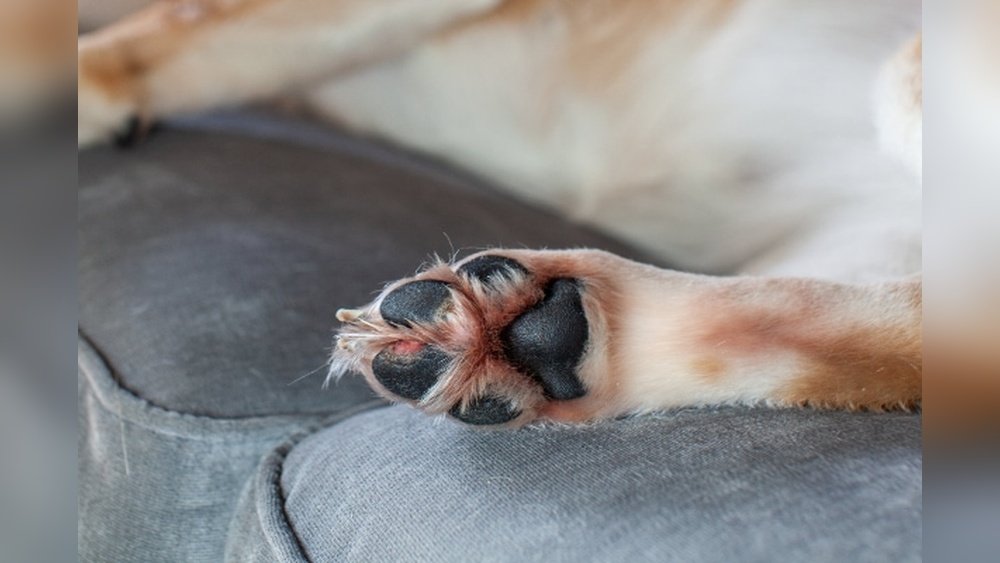
Are you noticing your dog constantly licking or chewing their paws? Red, itchy paws can be more than just a minor annoyance—they might be causing your furry friend real discomfort.
You want to help your dog feel better fast, but figuring out the right steps can be confusing. In this guide, you’ll discover simple, effective ways to soothe your dog’s irritated paws at home and when it’s time to seek professional care.
Keep reading to learn how to stop the itching and get your pup back to happy, healthy paws.

Credit: www.movagain.dk
Causes Of Red Itchy Paws
Red, itchy paws in dogs can signal discomfort and distress. Understanding the causes helps in providing the right care. Paw irritation happens for many reasons. Some are simple, others need medical attention. Awareness of common triggers aids in quicker relief for your pet.
Allergies And Irritants
Dogs can react to many allergens. Pollen, dust, or certain foods may cause itching. Household cleaners and lawn chemicals also irritate paws. Contact allergies happen when paws touch these substances. This leads to redness, swelling, and constant licking.
Infections And Parasites
Fungal and bacterial infections often cause paw problems. Moist environments between toes encourage yeast growth. Parasites like mites or fleas can also irritate skin. These infections make paws sore and itchy. Without treatment, infections can worsen quickly.
Environmental Factors
Hot pavement, rough surfaces, or cold weather affect paws. Heat burns or frostbite cause redness and pain. Walking on salt or chemicals during winter harms paw pads. Wet or muddy conditions trap dirt and germs, leading to irritation.
Underlying Health Issues
Some diseases cause chronic paw problems. Autoimmune disorders and hormonal imbalances affect skin health. Conditions like hypothyroidism may lead to dry, itchy skin. Identifying these issues requires veterinary diagnosis and care.
Immediate Home Care
Immediate home care is crucial for easing your dog’s red, itchy paws. Acting quickly helps reduce discomfort and prevents the problem from worsening. Simple steps at home can soothe irritation and protect the paws from further damage.
Cleaning And Drying Paws
Start by gently wiping your dog’s paws with a damp cloth or pet-safe wipe. This removes dirt, pollen, and other irritants. Clean between the toes carefully to clear all debris. After cleaning, dry the paws completely. Use a soft towel and make sure no moisture stays trapped between the toes. Moist areas encourage yeast and bacteria growth, which worsen itching and redness.
Stopping The Licking Cycle
Dogs often lick itchy paws, making irritation worse. You must stop this cycle quickly. Use an Elizabethan collar (cone) to block licking. Another option is a bitter-tasting spray safe for dogs. These sprays discourage licking by making the taste unpleasant. Preventing licking helps the skin heal faster and reduces redness.
Soothing Soaks And Compresses
Soaking paws can calm inflammation and ease itching. Prepare a mild soak using diluted povidone-iodine or oatmeal mixed with warm water. Soak your dog’s paws for 5 to 10 minutes. This soothes the skin and reduces redness. After soaking, dry the paws thoroughly. You can also apply a cool compress to ease swelling and discomfort.
Medical Treatments
Medical treatments help relieve your dog’s red, itchy paws and stop discomfort quickly. These treatments target the cause of the irritation. They reduce inflammation and prevent infections. Proper medication can speed up healing and improve your dog’s quality of life.
Allergy Medications
Many dogs suffer from allergies causing red, itchy paws. Allergy medications help control these reactions. Antihistamines reduce itching and swelling. Some dogs need corticosteroids for stronger relief. Always use medications prescribed by your vet. Never give human allergy medicine without vet advice.
Antifungal And Antibacterial Therapy
Red, itchy paws may result from infections. Antifungal treatments fight yeast and fungal infections. Antibacterial therapies target bacterial overgrowth. Your vet may prescribe topical creams or oral medications. Follow the full treatment course to avoid recurrence. Proper hygiene supports healing during therapy.
When To Visit The Vet
Visit the vet if redness or itching worsens. Swelling, foul odor, or discharge need prompt attention. If your dog limps or shows pain, seek help. Persistent licking or chewing may signal deeper problems. Early vet care prevents complications and speeds recovery.
Preventive Measures
Preventing red, itchy paws in dogs is easier than treating them later. A few simple steps can keep your dog’s paws healthy and comfortable. Consistent care protects against irritants and infections. Use these preventive measures to support your dog’s paw health daily.
Paw Hygiene Routine
Clean your dog’s paws after every walk. Use a damp cloth or pet-safe wipes to remove dirt and allergens. Pay special attention to the area between the toes. Dry the paws completely to prevent moisture buildup. Moisture can cause infections and make itching worse. Regular checks can catch problems early before they worsen.
Protective Gear For Paws
Protect your dog’s paws with booties or paw wax. Booties shield paws from rough surfaces, hot pavement, and chemicals. Paw wax creates a barrier that keeps irritants away. Use these especially during extreme weather or walks on treated sidewalks. Protective gear reduces exposure to harmful substances that cause redness and itching.
Diet And Allergy Management
Food allergies can cause paw irritation. Feed your dog a balanced diet with high-quality ingredients. Identify and avoid allergens by consulting your vet. Consider hypoallergenic dog food if recommended. Supplements like omega-3 fatty acids help reduce inflammation and improve skin health. Managing allergies supports overall paw comfort and reduces itching.
Home Remedies That Help
Red, itchy paws can cause discomfort for your dog. Home remedies offer gentle relief. They calm irritation and reduce redness. You can try simple treatments using items at home. These methods soothe your dog’s paws and help healing.
Always check your dog’s paws for cuts or swelling. Clean paws properly before applying any remedy. Use these treatments regularly for best results.
Oatmeal Baths
Oatmeal is natural and soothing for itchy skin. Grind plain oatmeal into a fine powder. Mix the powder in warm water. Let your dog soak their paws for 10 to 15 minutes. This bath reduces inflammation and eases itching. It also helps dry out irritated skin gently.
Povidone-iodine Soaks
Povidone-iodine is an antiseptic that fights infections. Dilute it with water to a light brown color. Soak your dog’s paws in this solution for 5 minutes. It cleans wounds and stops bacteria growth. Use it carefully to avoid irritation. Always dry the paws well after soaking.
Natural Sprays And Balms
Herbal sprays and balms can calm red, itchy paws. Look for products with aloe vera or calendula. These ingredients soothe and hydrate the skin. Apply the spray or balm directly on the paws. Avoid licking by distracting your dog or using a cone. These natural remedies support skin healing and comfort.

Credit: www.wikihow.com
Managing Chronic Itchiness
Managing chronic itchiness in your dog’s paws requires patience and care. Persistent scratching can worsen redness and cause infections. Consistent treatment helps your dog feel comfortable and prevents paw damage.
Addressing long-term causes and adjusting daily habits are key. Regular vet visits support proper healing. Keep a close eye on your dog’s paws for changes or flare-ups.
Long-term Medication Plans
Your vet may prescribe medications to control allergies or infections. Antihistamines reduce allergic reactions and ease itching. Steroids might be needed for severe inflammation but use them carefully. Antibiotics or antifungals treat infections caused by bacteria or yeast. Always follow your vet’s dosage instructions strictly. Never stop medication early even if symptoms improve.
Lifestyle Adjustments
Keep your dog’s paws clean and dry daily. Wipe paws after walks to remove allergens and irritants. Use gentle shampoos designed for sensitive skin. Avoid walking on harsh surfaces like hot pavement or rough gravel. Provide a balanced diet with supplements like omega-3 fatty acids to support skin health. Limit exposure to known allergens such as certain grasses or chemicals.
Monitoring And Follow-up
Check your dog’s paws regularly for redness, swelling, or sores. Note any changes in licking or chewing behavior. Schedule follow-up visits with your vet to assess progress. Keep a diary of flare-ups and triggers to share with your vet. Early detection of problems prevents complications. Consistent care helps maintain your dog’s comfort and paw health.
Frequently Asked Questions
Will Benadryl Help My Dog Stop Licking His Paws?
Benadryl may reduce your dog’s paw licking if allergies cause itching. Consult your vet for correct dosage and diagnosis.
Is There A Home Remedy For Dogs Licking Paws?
Clean your dog’s paws with a damp cloth after walks, dry thoroughly, and use an oatmeal soak to soothe irritation. Prevent licking with a cone. Seek vet care if symptoms worsen.
How Can I Treat My Dog’s Red Paws?
Clean your dog’s paws after walks, dry thoroughly, and prevent licking with a cone or spray. Use soothing soaks like oatmeal. Visit a vet if redness or swelling persists.
Is There A Home Remedy For Dogs’ Itchy Paws?
Clean your dog’s paws with a damp cloth after walks. Dry thoroughly and use oatmeal soaks to soothe itchiness. Prevent licking with a cone. Consult a vet if redness or swelling persists.
Conclusion
Red, itchy paws can cause your dog real discomfort. Clean and dry their paws regularly to reduce irritation. Use gentle soaks and prevent licking to help healing. Watch for signs like swelling or bad smells. These may need a vet’s care and medicine.
Early action helps your dog feel better fast. Healthy paws mean a happier, more active pet. Keep an eye on your dog’s paws every day. Simple care makes a big difference in their comfort.