
Is your dog constantly licking its paws, leaving you worried and wondering what to do? You’re not alone.
Paw licking can be more than just a harmless habit—it might signal discomfort, allergies, or even anxiety. The good news is, you can help your furry friend find relief and stop this behavior before it causes further irritation. You’ll discover simple, effective ways to understand why your dog licks its paws and how you can stop it for good.
Keep reading to give your dog the comfort and care it deserves.
Common Causes Of Paw Licking
Dogs lick their paws for many reasons. Understanding these causes helps in stopping this behavior. Paw licking can be normal but too much licking signals a problem. It often means your dog is uncomfortable or stressed. Identifying the root cause is important for proper care.
Allergies And Irritants
Allergies are a common cause of paw licking. Dogs can react to pollen, dust, or certain foods. Chemicals in cleaning products or lawn treatments can irritate paws. This causes itching and discomfort. Your dog licks to try to soothe the irritation.
Injuries And Infections
Small cuts, splinters, or insect bites cause paw pain. Infections from bacteria or yeast can develop in these wounds. The paw becomes red, swollen, or smelly. Licking helps your dog clean the area but also spreads germs. This can make the problem worse.
Anxiety And Boredom
Some dogs lick their paws to relieve stress. Anxiety from changes, loud noises, or separation can trigger licking. Boredom also leads to repetitive licking as a way to pass time. This behavior may become a habit or obsession.
Arthritis And Joint Pain
Older dogs or those with arthritis lick their paws to ease pain. Joint stiffness or discomfort in legs can cause this behavior. Licking provides temporary relief and comfort. It is a sign your dog needs medical attention.

Credit: www.youtube.com
Signs To Watch For
Watching your dog closely helps catch paw licking problems early. Spotting signs early can prevent serious issues. Dogs often show clear symptoms when their paws bother them.
Redness And Swelling
Check your dog’s paws for red or swollen areas. These signs show irritation or infection. Redness can mean the skin is inflamed. Swelling may make your dog limp or avoid walking. These symptoms need prompt attention to avoid worsening.
Hair Loss And Sores
Look for patches of missing hair around the paws. Hair loss can happen from constant licking or biting. Sores or open wounds may develop from scratching or licking too much. These spots can get infected quickly. Treating sores early helps your dog heal faster.
Changes In Behavior
Notice if your dog acts different than usual. Restlessness or anxiety may increase due to paw pain. Your dog might lick paws more often or refuse to play. Some dogs become quieter or hide away. Behavioral changes often signal discomfort needing care.
Home Remedies To Soothe Paws
Home remedies can soothe your dog’s irritated paws and reduce licking. These natural treatments calm inflammation and ease discomfort. They support healing without harsh chemicals. Simple ingredients from your kitchen or garden often do the trick.
Oatmeal Baths
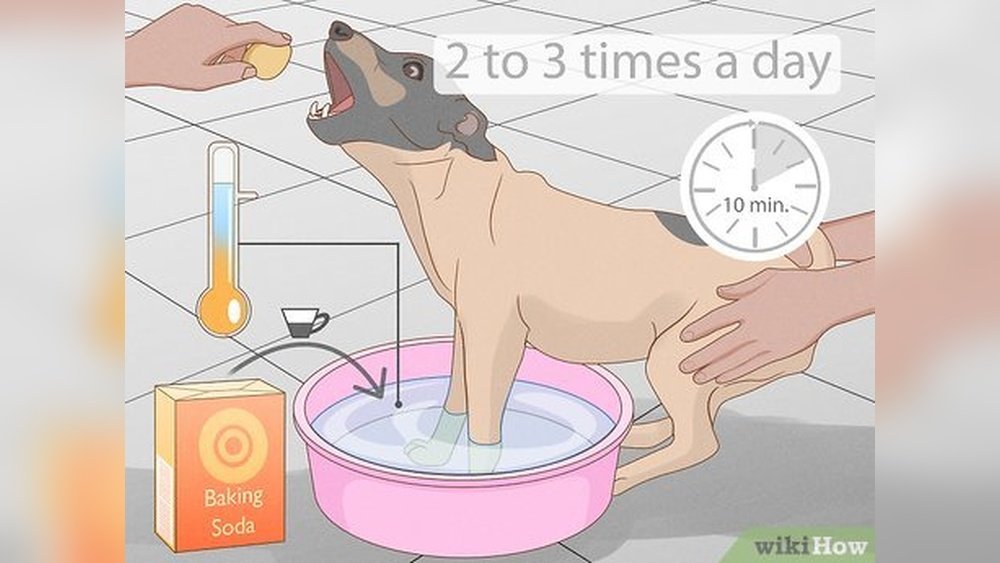
Oatmeal baths calm itchy and inflamed skin. Use plain, finely ground oatmeal. Mix it in warm water and soak your dog’s paws for 10 to 15 minutes. This bath helps relieve dryness and soothes irritation quickly. Repeat two or three times a week for best results.
Coconut Oil Application
Coconut oil moisturizes dry, cracked paws. Apply a small amount directly onto the paw pads. Gently massage it in for better absorption. Coconut oil has natural antibacterial and antifungal properties. Use daily to keep paws soft and protected.
Apple Cider Vinegar Spray
Apple cider vinegar reduces bacterial and yeast infections. Mix equal parts of apple cider vinegar and water in a spray bottle. Lightly spray your dog’s paws, avoiding open wounds. This spray helps balance the skin’s pH and stops itching. Use once or twice daily as needed.
Aloe Vera Gel
Aloe vera gel soothes inflamed and irritated skin. Use pure, pet-safe aloe vera gel. Apply a thin layer on the affected paws. It cools the skin and promotes healing. Aloe vera also helps reduce redness and swelling. Apply two times daily for relief.
Herbal Rinses With Chamomile Or Green Tea
Chamomile and green tea rinses calm irritated paws. Brew a strong tea and let it cool. Soak your dog’s paws in the tea for 5 to 10 minutes. These herbs have anti-inflammatory and antioxidant properties. Repeat the rinse daily to ease discomfort and dryness.
Hygiene And Paw Care Tips
Keeping your dog’s paws clean and healthy is key to stopping excessive licking. Dirt, allergens, or small irritations often cause discomfort. Proper hygiene and paw care reduce these triggers. Simple steps can make a big difference in your dog’s comfort and health.
Regular Cleaning And Rinsing
Wash your dog’s paws after walks or outdoor play. Use lukewarm water to rinse away dirt and allergens. Avoid harsh soaps that can dry out the skin. Gently clean between the toes where debris often hides. This prevents infections and soothes irritated paws.
Thorough Drying Between Toes
Moisture trapped between toes leads to fungal infections. After cleaning, dry your dog’s paws carefully. Use a soft towel or cloth to reach between the toes. Make sure no damp spots remain. Dry paws feel comfortable and reduce the urge to lick.
Routine Grooming
Trim the fur around your dog’s paws regularly. Long hair can trap dirt and moisture. Keep nails short to avoid pain or injury. Check for cuts, swelling, or redness during grooming. Clean, trimmed paws are less likely to cause licking due to discomfort.
Behavioral Strategies
Behavioral strategies can help reduce your dog’s paw licking habit. Dogs often lick their paws out of boredom, anxiety, or stress. Changing their daily routine and environment can ease this behavior. Focus on keeping your dog busy and happy. Mental and physical activities play a big role. Here are some effective ways to use behavior to stop paw licking.
Providing Mental Stimulation
Mental stimulation keeps your dog’s mind active and engaged. Use puzzle toys that hide treats. Your dog will focus on solving the puzzle instead of licking. Teach new tricks or commands daily. Short training sessions challenge your dog’s brain and build confidence. Rotate toys often to keep things fresh and interesting. A tired mind means less licking.
Increasing Physical Activity
Exercise helps burn off excess energy and stress. Take your dog for daily walks or runs. Play fetch or tug-of-war to keep them moving. Swimming is a low-impact exercise that many dogs enjoy. Physical activity releases feel-good hormones that reduce anxiety. A well-exercised dog is less likely to lick paws out of boredom.
Using Distraction Techniques
Distraction redirects your dog’s focus from paw licking. Offer chew toys or bones to keep their mouth busy. Use a favorite toy to initiate play when licking starts. Calmly call your dog and reward them for stopping. Create a safe space with cozy bedding and toys. Consistent distractions help break the licking habit over time.

Credit: www.wikihow.com
Protective Gear Options
Protective gear can help stop your dog from licking its paws. These tools block access to the paws. They also protect irritated skin and speed up healing. Using the right gear helps reduce licking and prevents further injury.
Using Cone Collars
Cone collars, also called Elizabethan collars, are common solutions. They fit around your dog’s neck. The cone prevents your dog from reaching its paws with its mouth. Dogs cannot lick or bite the paws while wearing it.
Cones come in plastic or soft fabric types. Plastic cones are firm and durable. Soft cones are more comfortable but less sturdy. Choose one that fits well and does not bother your dog too much.
It is important to keep your dog calm while wearing the cone. Some dogs dislike the cone at first. Give your dog treats and praise to help it adjust.
Booties And Paw Protectors
Booties and paw protectors cover your dog’s paws directly. They act as a barrier to licking. These items also protect paws from dirt and harsh surfaces.
Booties come in different sizes and materials. Some are waterproof and good for outdoor walks. Others are soft and flexible for indoor use. Choose booties that fit snugly but do not cause discomfort.
Make sure your dog gets used to the booties slowly. Let your dog wear them for short times at first. Use positive reinforcement to encourage acceptance.
Paw protectors can help with allergies or skin irritation. They keep paws clean and dry. This reduces the urge to lick and helps skin heal faster.
When To See A Vet
Knowing when to see a vet is key if your dog keeps licking its paws. Some causes need professional care to avoid serious problems. Early vet visits can prevent pain and infections. Watch your dog closely for signs that need expert help.
Persistent Or Worsening Symptoms
Visit a vet if your dog licks paws for more than a week. Notice if licking gets more frequent or intense. Check for swelling, redness, or open sores. These signs mean the problem is not healing. Do not delay treatment when symptoms grow worse.
Signs Of Infection
Infections cause pain, bad smell, or pus around paws. Your dog may limp or avoid putting weight on the paw. Fever or lethargy can also show infection. These symptoms need a vet’s immediate attention. Infections can spread quickly without proper care.
Professional Diagnosis And Treatment
A vet will examine your dog’s paws carefully. They may do skin tests or allergy checks. Vets can prescribe medicine or special shampoos. They might suggest changes in diet or environment. Follow the vet’s advice to stop paw licking for good.

Credit: www.thesprucepets.com
Preventing Future Paw Licking
Preventing future paw licking helps keep your dog comfortable and healthy. It stops irritation and infections from starting again. A few simple habits protect your dog’s paws every day. This care reduces the urge to lick and improves overall paw health.
Avoiding Allergens
Allergens cause itching and make dogs lick their paws. Keep your dog away from grass, pollen, and dust that irritate skin. Clean their paws after walks to remove allergens. Use gentle pet-safe wipes or a soft cloth with water. Avoid using harsh chemicals on floors or lawns. Choose hypoallergenic dog shampoos to bathe your pet. Watch for signs of allergies, like redness or swelling. Consult a vet if allergies persist or worsen.
Maintaining Paw Health Year-round
Regular paw care prevents dryness and cracking. Trim your dog’s nails to avoid discomfort. Check paw pads for cuts, thorns, or foreign objects. Moisturize dry paws with vet-approved balms. Keep your dog’s paws clean and dry, especially after wet weather. Use booties in extreme heat or cold to protect paws. Groom your dog often to spot paw problems early. Healthy paws mean less licking and a happier dog.
Frequently Asked Questions
Why Is My Dog Licking Its Paws So Much?
Dogs lick their paws due to allergies, injuries, anxiety, boredom, or joint pain. Excessive licking may cause sores or infections.
What Is A Natural Remedy To Stop A Dog From Licking?
Apply natural remedies like coconut oil, oatmeal baths, or apple cider vinegar spray to soothe and reduce your dog’s licking habit.
What Can I Give My Dog For Itching And Licking Paws?
Give your dog oatmeal baths, coconut oil, or aloe vera gel to soothe itching and licking paws. Use apple cider vinegar spray or chamomile rinse. Keep paws clean and dry. Consult a vet for persistent issues.
Will A Cone Stop My Dog From Licking His Paws?
A cone can help prevent your dog from licking paws by physically blocking access. It works best combined with treating the underlying cause.
Conclusion
Stopping your dog from licking its paws takes patience and care. Watch for signs of injury or irritation. Keep paws clean and dry to prevent problems. Use gentle remedies to soothe itchy skin. Distract your dog with toys or attention when licking starts.
Consult a vet if licking continues or worsens. Healthy paws mean a happier dog and a peaceful home. Keep trying—small steps lead to big improvements.