
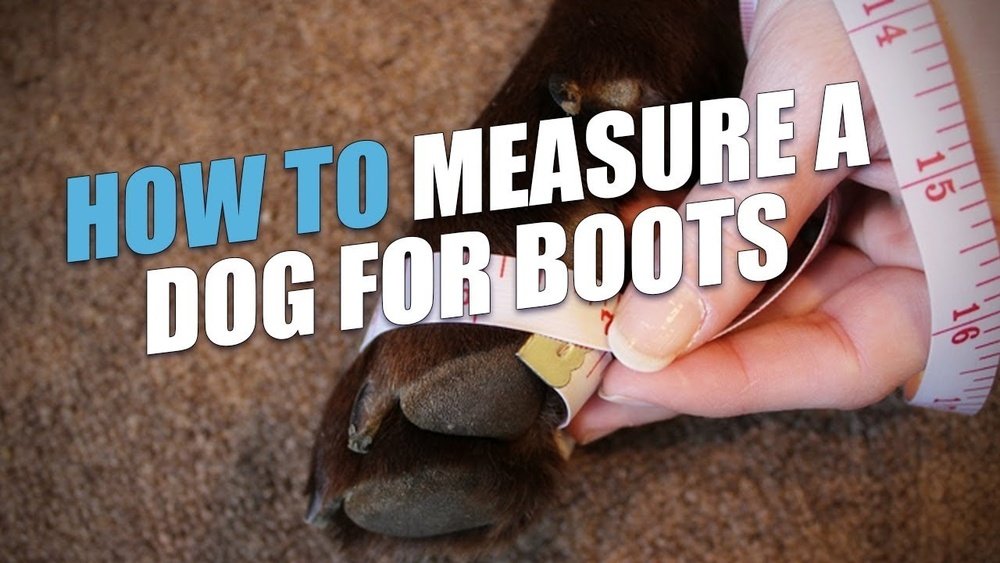
If you’ve ever tried to buy boots or socks for your dog, you know how tricky it can be to get the right fit. Measuring your dog’s paws correctly is the key to making sure those boots stay on comfortably and protect their feet during walks, hikes, or cold weather.
But how exactly do you measure dog paws so you don’t end up with shoes that are too tight or too loose? In this guide, you’ll learn a simple, step-by-step way to measure your dog’s paws at home. With the right technique, you’ll save time, avoid frustration, and keep your furry friend happy and comfortable no matter where your adventures take you.
Keep reading to discover the easy tools you need and the best tips for getting the perfect paw measurement every time.
Tools You’ll Need
Measuring your dog’s paws requires a few simple tools. These tools help get the size right. Accurate measurements mean better fit and comfort for your dog.
Gather everything before you start. This saves time and keeps your dog calm during the process.
Measuring Tape Or Ruler
A soft measuring tape or a small ruler works best. It helps measure width and length of the paw. Use a ruler for straight lines and a tape for flexibility.
Paper And Pen
Place your dog’s paw on a piece of paper. Use the pen to trace around the paw carefully. This outline gives a clear shape to measure.
Flat Surface
Use a flat, hard surface for your dog to stand on. This helps get the paw fully spread out. Avoid soft or uneven floors for accurate results.
Helper Or Treats
Having someone to help hold your dog steady is helpful. Use treats to keep your dog calm and still. A relaxed dog makes measuring easier and quicker.

Credit: www.youtube.com
Preparing Your Dog
Preparing your dog is the first step to get accurate paw measurements. A calm dog helps the process go smoothly. Take time to make your dog feel safe and relaxed before measuring. This section covers the best ways to prepare your dog for paw measurement.
Choosing The Right Surface
Select a flat, stable surface to measure your dog’s paws. Avoid slippery or uneven areas that make your dog uncomfortable. A hard floor or a sturdy table works best. Place a piece of paper or cardboard on the surface to trace the paw. This helps capture the exact shape and size. Make sure the surface is clean and dry to prevent slipping.
Getting Your Dog Comfortable
Keep your dog calm and still during the measurement. Use gentle petting or soothing words to relax your dog. Let your dog sniff the paper or surface first. Reward your dog with treats for staying calm. Short breaks may help if your dog gets restless. Patience is key to getting accurate paw sizes. A relaxed dog will stand naturally, giving a true paw shape.
Measuring Paw Width
Start by placing your dog’s paw flat on a piece of paper. Mark the widest points and measure the distance between them for an accurate width. This helps find the right size for boots or paw protection.
Marking The Widest Part
Start by placing your dog’s paw on a flat surface. Look closely to find the widest part of the paw. This is usually across the pads, near the base of the toes. Mark this spot carefully. Accuracy here helps get the right size for boots or paw protection.
Using Paper And Pen Method
Place a clean sheet of paper on the floor. Gently press your dog’s paw down on the paper. Hold the paw steady but do not press too hard. Use a pen to trace around the paw. Focus on the widest part you marked earlier. After tracing, measure the distance between the two widest points. Use a ruler or measuring tape for this step. This simple method gives you a clear width measurement to use for sizing.
Measuring Paw Length
Start by placing your dog’s paw on a piece of paper. Trace around the paw and measure the widest part for accurate sizing. This method helps ensure a good fit for boots or paw protection.
Measuring your dog’s paw length helps find the right boot size. Accurate length ensures comfort and protection. It prevents boots from slipping off or causing discomfort.
Measure the paw length by focusing on the distance from the heel to the tip of the longest toe. This simple step provides a solid base for selecting boots or socks.
Heel To Toe Measurement
Place your dog’s paw flat on a piece of paper. Use a pen to mark the heel’s back edge. Then mark the tip of the longest toe.
Remove the paw and use a ruler to measure the distance between the two marks. This length is your dog’s paw length. Record this number carefully.
Ensuring Accuracy
Measure your dog’s paw while they stand to get a natural paw shape. Repeat the process two or three times for consistency. Use the largest measurement for safety.
Keep your dog calm and steady to avoid errors. Tracing the paw on paper can help double-check the length. Always measure both front and back paws.
Measuring Front Vs Rear Paws
Measuring your dog’s front and rear paws correctly helps find the best fit for boots or paw protection. Both sets of paws can differ in size and shape. Knowing these differences ensures comfort and safety for your dog. Measuring front paws is not the same as measuring rear paws. Pay close attention to each set for accurate results.
Differences To Note
Front paws are usually wider and rounder than rear paws. They bear more weight and help with balance. Rear paws tend to be narrower and longer. This is because they provide propulsion during running and jumping. The pads on front paws may be larger or thicker. Rear paw pads might be smaller but more elongated. These differences affect how boots or wraps fit each paw.
Measuring Both Sets
Measure both front and rear paws separately. Place your dog’s paw flat on a piece of paper. Mark the widest and longest points of the paw. Use a ruler to measure the distance between these marks. Write down the width and length for each paw. Repeat this process for the other three paws. Compare the measurements to find the best boot size for each set. This ensures a snug and comfortable fit for every paw.
Credit: www.caninestyles.com
Recording Your Measurements
Recording your dog’s paw measurements is a key step in finding the right fit for boots or protective gear. Accurate records ensure comfort and prevent injuries. Take your time to note down each measurement carefully. Keep your notes organized and easy to read. This helps when comparing sizes or consulting with pet stores.
Using A Ruler Or Tape Measure
Use a ruler or tape measure to get exact paw dimensions. Place the tool flat on a hard surface. Gently press your dog’s paw down to spread the toes. Measure the width at the widest point of the paw. Then, measure the length from the back of the heel pad to the tip of the longest toe. Write these numbers down clearly. Use inches or centimeters based on your preference.
Double Checking Measurements
Double check each measurement for accuracy. Repeat the process at least twice. Small errors can cause big fitting problems. Make sure your dog stays calm during measuring. If the dog moves, start over to avoid mistakes. Compare your notes to confirm consistency. Accurate measurements lead to better fitting boots and happy paws.
Tips For Accurate Sizing
Measuring your dog’s paws correctly ensures a perfect fit for boots or socks. Accurate sizing helps avoid discomfort and slipping. Small mistakes can cause paw injuries or make the boots useless.
Use simple, clear steps to get the best results. Patience and care make the process smooth. Keep your dog calm and still for precise measurement.
Weighing Your Dog’s Paw Naturally
Let your dog stand on a flat, hard surface. This mimics the natural weight on their paws. Avoid lifting or holding the paw while measuring. Pressure changes the paw size and shape.
Place a ruler or tape measure under the paw gently. Measure the width and length while the dog stands. This method reflects the actual paw size during walking or running.
Tracing Paw Prints For Precision
Use a plain sheet of paper and place it on the floor. Gently press your dog’s paw onto the paper. Make sure the whole paw touches the paper evenly. Avoid pressing too hard or lightly.
Trace the outline of the paw with a pencil or pen. Measure the widest and longest points of the traced print. This gives a clear, accurate shape of the paw for sizing boots.
Choosing The Right Gear Size
Choosing the right gear size for your dog’s paws ensures comfort and protection. Properly fitting boots or socks help prevent injuries and improve your dog’s movement. Measuring accurately is the first step. After measuring, use these tips to select the best size.
Consulting Manufacturer Size Charts
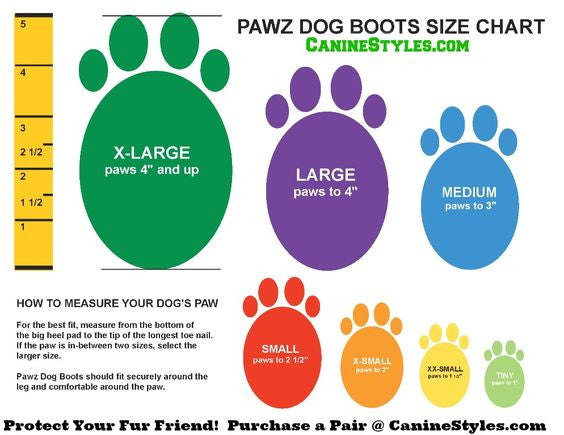
Each brand may have different size standards. Always check the manufacturer’s size chart before buying. Match your dog’s paw measurements to the chart carefully. Pay attention to width and length measurements. Some charts include weight or breed suggestions. Choose the size that fits your dog’s paw best. When in doubt, select the larger size for comfort.
Allowing For Growth Or Swelling
Paws can swell during walks or hikes, especially on rough terrain. Puppies’ paws will grow quickly, so account for that growth. Add a small margin to your measurement for swelling or growth. This extra space helps avoid tight-fitting gear that can cause discomfort. Check your dog’s paws regularly for changes in size. Adjust gear size as needed to maintain a good fit.
Common Mistakes To Avoid
Measuring your dog’s paws seems simple but many pet owners make common mistakes. These errors can lead to incorrect sizing, discomfort, and even injury for your dog. Avoiding these pitfalls ensures a proper fit for boots or paw protectors. Take care to follow the right steps for accurate paw measurements.
Measuring Without Weight On Paw
Measuring the paw while your dog is sitting or holding its paw up causes errors. Paws spread out under pressure, changing their shape and size. Always measure with your dog standing and placing weight on the paw. This shows the true width and length of the paw pads.
Without weight, the paw appears smaller than it really is. Boots or shoes may end up too tight and uncomfortable. Let your dog stand naturally on a flat surface before tracing or measuring the paw.
Ignoring Differences Between Paws
Each of your dog’s paws can be a different size. Many owners measure only one paw and assume all are the same. This leads to poor fit on the other paws. Measure all four paws separately to find the largest width and length.
Front and back paws often vary in size. Shoes for front paws may need to be wider or longer. Keep detailed measurements for each paw to choose the right size. This prevents slipping, chafing, or restricted movement.
Adjusting Fit For Comfort
Adjusting the fit of dog boots ensures your pet stays comfortable and protected. Proper fit prevents chafing, slipping, and discomfort during walks. Watch your dog’s behavior closely after putting on the boots. Small tweaks can make a big difference in how the boots feel.
Checking Boot Fit And Movement
Start by observing your dog’s movement while wearing the boots. The boots should fit snugly but not tightly. Check if your dog walks naturally or hesitates. Boots that are too loose may fall off easily. Tight boots can restrict paw movement and cause pain. Look for signs of discomfort like limping or biting at the boots.
Making Minor Adjustments
Use adjustable straps or fasteners to improve the fit. Loosen or tighten straps gradually to find the right balance. If the boots are too long, fold the front edge or choose a smaller size. Adding a soft liner inside boots can increase comfort. Trim any excess material that rubs against the paw. Repeat the fit check after each change to ensure your dog is happy.
Frequently Asked Questions
Do Dog Paws Have 3 Or 4 Toes?
Dogs typically have four toes on each paw. Some also have a fifth toe called a dewclaw higher up the leg.
What Is Size 7 In Dog Shoes?
Size 7 dog shoes typically fit paws measuring about 3. 5 to 4 inches wide. Measure your dog’s paw width for accuracy.
Can You Tell How Big A Dog Will Be Based On Their Paws?
You can estimate a dog’s adult size by comparing their paw size to their body. Larger paws often indicate a bigger dog. However, paw size alone isn’t a precise predictor, as breed and genetics also affect growth. Measuring paws helps mostly with boot sizing, not exact adult size prediction.
How Are Dog Booties Supposed To Fit?
Dog booties should fit snugly without squeezing. They must cover the paw completely and allow natural toe movement. Check for secure fastening to prevent slipping during walks.
Conclusion
Measuring your dog’s paws is simple and important. Use a piece of paper and a ruler to get exact size. Mark the widest part of the paw carefully. Measure both width and length for the best fit. Accurate measurements help choose comfortable boots or socks.
Keep your dog safe and happy with the right paw gear. Practice this easy method to save time and avoid mistakes. Your dog will thank you with every step they take.