
If your dog has a cut on their paw, you want to act quickly and carefully to help them heal without pain or infection. Knowing exactly how to clean that cut can make all the difference in your dog’s recovery.
You might be worried about making it worse or unsure what products are safe to use. Don’t worry—this guide will walk you through simple, effective steps to clean your dog’s paw wound safely at home. By following these clear instructions, you’ll protect your furry friend from infection and speed up healing.
Keep reading to learn exactly what you should do the moment you notice a cut on your dog’s paw.
Safety And Preparation
Cleaning a cut on your dog’s paw needs careful safety and preparation. You must keep your dog calm and safe to avoid extra injury. Proper steps before cleaning help stop infection and speed healing. Prepare your supplies and create a calm space for your dog.
Muzzle Your Dog
Dogs may bite when hurt or scared. Use a soft muzzle to protect yourself. A muzzle keeps you safe while you clean the paw. Make sure the muzzle is loose enough to allow breathing. Never force a muzzle on your dog suddenly.
Stop Heavy Bleeding
Check if the cut bleeds heavily before cleaning. Use a clean cloth to press on the cut firmly. Hold pressure for several minutes to stop bleeding. If bleeding lasts more than 10 minutes, seek vet help immediately. Stopping bleeding prevents further pain and infection.
Avoid Harsh Chemicals
Harsh chemicals can harm your dog’s skin and slow healing. Do not use rubbing alcohol or hydrogen peroxide. These dry out and damage healthy tissue. Use warm water or diluted antiseptic like chlorhexidine instead. Mild solutions clean without causing extra pain.

Credit: www.mooresvilleanimalhospital.com
Cleaning The Cut
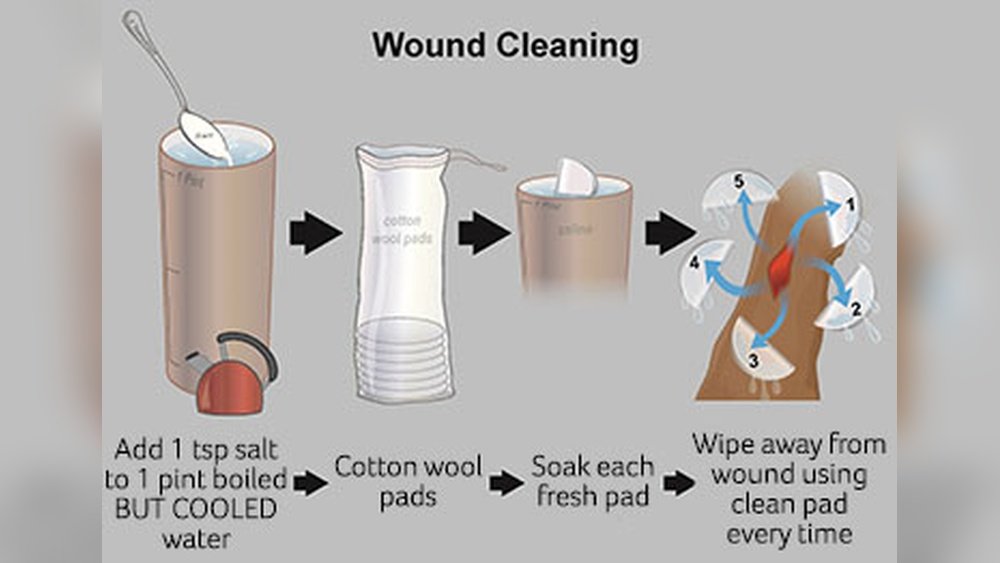
Cleaning the cut on your dog’s paw helps prevent infection and speeds healing. Careful cleaning removes dirt and bacteria. It also soothes the wound and reduces pain. Follow these simple steps to clean your dog’s paw safely and effectively.
Rinse With Warm Water
Start by rinsing the cut with warm water. Warm water helps wash away loose dirt and debris. Use a gentle stream to avoid hurting your dog. Avoid using hot or cold water to prevent irritation.
Use Diluted Antiseptic
Apply a diluted antiseptic solution like chlorhexidine. This kills germs without harming the tissue. Mix the antiseptic with water as directed. Gently dab the solution onto the cut using a clean cloth or cotton ball.
Remove Visible Dirt
Look closely for any dirt or small stones stuck in the cut. Use tweezers sterilized with rubbing alcohol to remove them carefully. Removing debris helps stop infection and promotes faster healing.
Pat Dry The Paw
Use a clean towel to pat the paw dry. Avoid rubbing, which can reopen the wound. Drying the paw prevents moisture buildup that encourages bacteria growth. Keep the area as clean and dry as possible.
Bandaging The Wound
Bandaging the wound on your dog’s paw helps protect it from dirt and infection. It also keeps the area clean and supports faster healing. Proper bandaging prevents your dog from licking or biting the injury.
Use the right materials and techniques for effective bandaging. This section explains simple steps to wrap your dog’s paw safely.
Choose Non-stick Sterile Pads
Select non-stick sterile pads to cover the wound gently. These pads do not stick to the cut or hair. They absorb any fluids while protecting the skin. Place the pad directly over the cleaned wound for best results.
Wrap With Self-adhesive Vet Wrap
Use self-adhesive vet wrap to secure the pad in place. This wrap sticks to itself but not to fur or skin. Start wrapping from the paw’s base and move upward. Cover the pad fully without covering the toes completely.
Keep The Bandage Loose
Wrap the bandage loosely to allow blood flow and comfort. Tight bandages can cause swelling or pain. Check the bandage regularly to make sure it stays secure but not too tight. Change the bandage daily or if it becomes wet or dirty.
Preventing Licking And Chewing
Preventing your dog from licking and chewing a cut on their paw is vital. Licking delays healing and may cause infection. Chewing can worsen the wound and create pain. Keep your dog from disturbing the cut to allow it to heal properly. Use simple tools and strategies to stop this behavior quickly.
Use An Elizabethan Collar
An Elizabethan collar, also called a cone, stops your dog from reaching their paw. It fits around the neck and blocks access to the injury. This collar is safe and effective for healing cuts. Make sure it fits well, not too tight or loose. Watch your dog to help them adjust. The collar prevents licking and chewing, so the wound stays clean.
Distract Your Dog
Distraction helps keep your dog’s mind off the cut. Offer toys, treats, or games to focus their attention elsewhere. Walks and exercise can reduce boredom that leads to licking. Use puzzle feeders or training sessions for mental stimulation. Keep your dog busy and calm to stop them from licking or chewing the paw.
Monitoring For Infection
Monitoring your dog’s paw cut for infection is vital after cleaning. This step helps prevent serious problems. Early signs of infection are often visible and easy to notice. Watch your dog’s paw closely every day. Quick action can protect your pet’s health and comfort.
Check For Swelling And Redness
Swelling and redness around the cut may show infection. The paw could look puffy or feel warm to the touch. Compare the injured paw to the other one. Look for any color changes or raised skin. These signs mean the body is fighting bacteria.
Watch For Pus Or Bad Smells
Pus or an unpleasant odor signals infection. Pus can be yellow, green, or white and may leak from the wound. Bad smells come from bacteria growing in the cut. Clean the area gently and check if these signs return. Persistent pus or smells need vet attention.
Observe For Behavioral Changes
Changes in your dog’s behavior can indicate pain or infection. Your dog might lick or bite the paw more than usual. It may limp or avoid putting weight on the injured paw. Notice if your dog seems tired or less playful. These actions show discomfort needing care.
When To See A Vet
Knowing when to seek veterinary care for your dog’s paw cut is vital. Some injuries heal well at home. Others need professional attention to prevent complications. Timely vet visits can save your dog from pain and infection.
Watch for signs that go beyond minor scratches. Deep cuts, heavy bleeding, or signs of infection require expert care. Acting quickly improves healing and comfort for your dog.
Deep Or Bleeding Cuts
Deep cuts often expose tissues beneath the skin. These wounds may bleed heavily and not stop on their own. If you see a deep cut or heavy bleeding, visit a vet immediately.
Vets can clean and stitch the wound to stop bleeding. This helps avoid further damage and speeds healing. Do not try to close deep wounds yourself.
Causes Of Injury
Dog paw cuts happen from sharp objects like glass, rocks, or metal. Rough surfaces and hot pavement can also cause damage. Sometimes, fights with other animals lead to paw injuries.
Knowing the injury cause helps the vet treat the wound properly. It also guides you on how to prevent future injuries.
Signs Of Severe Infection
Infections can develop if a cut is not cleaned well. Watch for redness, swelling, or pus around the wound. Your dog may lick the paw often or limp from pain.
Fever or loss of appetite can also signal infection. These signs need immediate veterinary care. Early treatment stops infection from spreading further.
Frequently Asked Questions
How Do You Treat A Cut On Your Dog’s Paw?
Gently rinse your dog’s paw with warm water or diluted antiseptic. Remove dirt, pat dry, and apply a breathable bandage if needed. Use a clean cloth to stop bleeding. Prevent licking with a cone and monitor for infection signs like swelling or redness.
Seek vet help if deep or bleeding persists.
What Can I Use To Disinfect A Cut On My Dog’s Paw?
Use warm water or diluted chlorhexidine to gently rinse the cut. Avoid alcohol or hydrogen peroxide. Pat dry and apply a breathable bandage if needed.
Can I Put Neosporin On My Dog’s Paw Wound?
You can apply a small amount of Neosporin on your dog’s paw wound to prevent infection. Avoid if your dog licks it excessively. Consult a vet for deep or serious wounds.
Can I Clean My Dog’s Wound With Dawn?
Avoid using Dawn to clean your dog’s wound. It contains harsh chemicals that can irritate and harm healing tissue. Use warm water or a vet-recommended antiseptic like chlorhexidine instead. Always consult a veterinarian for proper wound care to prevent infection and promote healing.
Conclusion
Caring for your dog’s paw cut helps prevent infection and speeds healing. Use warm water or a gentle antiseptic to clean the wound carefully. Keep the area dry and protected with a breathable bandage if needed. Watch your dog closely for signs of pain or swelling.
Seek vet help if the cut looks deep or won’t stop bleeding. Simple steps make a big difference in your dog’s comfort and recovery. Taking prompt action shows your love and keeps your dog happy and healthy.