
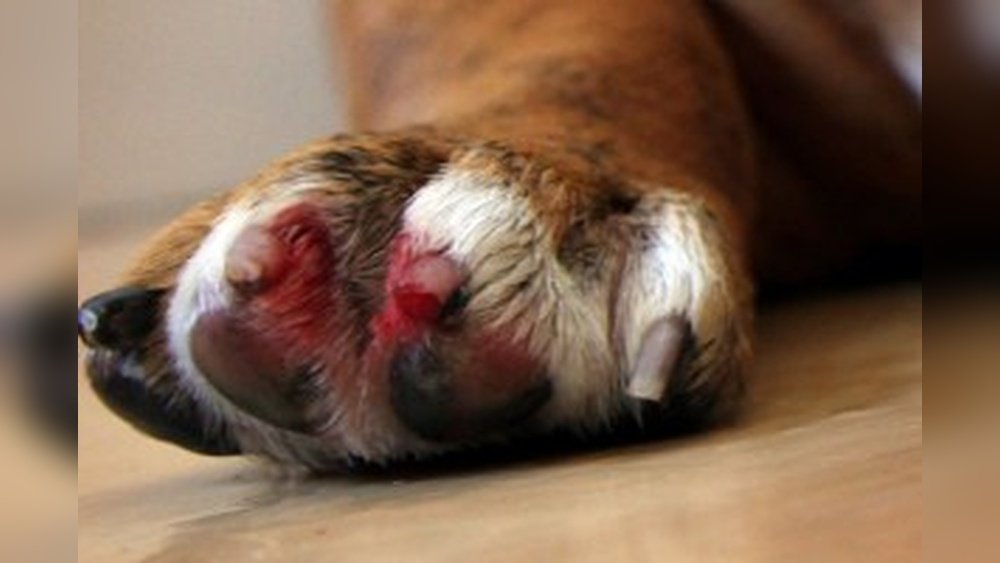
Imagine your dog suddenly lifting a paw, blood trickling down between the pads or from a torn nail. It’s alarming, and your first instinct is to help—but what exactly should you do?
If you’ve ever faced a bleeding dog paw, you know how stressful it can be to stay calm and act quickly. You want to stop the bleeding fast and keep your furry friend comfortable, but you might not know the best steps to take.
You’ll discover simple, effective ways to stop your dog’s paw from bleeding right at home. Whether it’s a small cut or a more serious injury, these clear instructions will guide you through first aid to protect your dog’s paw and avoid further harm. Keep reading to learn how to handle this common emergency confidently and safely.
Causes Of Bleeding Dog Paws
Bleeding dog paws can worry any pet owner. Knowing the common causes helps you act quickly. Injuries to paws happen often due to daily activities and adventures. Understanding these causes aids in proper care and quick healing.
Cuts And Scrapes
Sharp objects like glass or stones can cause cuts and scrapes. These wounds may bleed and hurt your dog. Even small cuts need cleaning to avoid infection. Rough surfaces or running on hard ground increase the risk of cuts.
Torn Or Broken Nails
Nails can break or tear during play or walks. This injury often causes bleeding and discomfort. Dogs that run on rough terrain face higher chances of nail damage. Broken nails require prompt care to stop the bleeding and pain.
Foreign Objects
Small items like thorns, splinters, or burrs can stick in paw pads. These objects cause bleeding and irritation. Your dog might lick or chew the area, making it worse. Removing the object carefully and cleaning the wound is important.
Burns And Abrasions
Hot pavement or rough surfaces can burn or scrape dog paws. Burns cause redness, pain, and sometimes bleeding. Abrasions happen from scraping paws during running or jumping. Protecting paws from hot or rough areas helps prevent these injuries.

Credit: mybrownnewfies.com
Immediate Steps To Stop Bleeding
Stopping your dog’s paw from bleeding quickly is crucial. Acting fast helps reduce pain and prevents infection. Follow these immediate steps carefully to manage the bleeding before getting professional help.
Apply Direct Pressure
Hold a clean cloth or gauze firmly against the bleeding paw. Press down directly on the wound. This helps the blood clot and slows bleeding. Keep steady pressure for several minutes without lifting the cloth.
Use A Clean Cloth Or Gauze
Always use a clean cloth or sterile gauze to avoid infection. Avoid using dirty towels or materials that can stick to the wound. If blood soaks through, add another layer on top. Do not remove the first cloth.
Avoid Peeking At The Wound
Resist the urge to check the wound constantly. Peeking can disturb the forming clot and cause more bleeding. Keep the cloth in place and observe from a distance. Wait at least 5 to 10 minutes before checking again.
Home Remedies To Control Bleeding
Controlling your dog’s paw bleeding quickly at home helps prevent infection and eases your pet’s discomfort. Simple remedies can stop the bleeding and protect the wound. These methods use common household items and work effectively on minor cuts or nail bleeds.
Styptic Powder Application
Styptic powder is a fast way to stop bleeding. It helps blood clot quickly. Gently press a small amount on the bleeding spot. Hold it there for a few seconds without rubbing. This powder works well for nail injuries and small cuts. Avoid using too much powder to prevent irritation.
Cornstarch And Flour Alternatives
Cornstarch or plain flour can also stop bleeding. Dab a bit on your fingertip and press it on the wound. These powders help blood clot by absorbing moisture. They are good substitutes if you do not have styptic powder. Keep the area clean and avoid wiping off the powder too soon.
Cold Compress Benefits
Applying a cold compress slows blood flow and reduces swelling. Wrap ice cubes in a cloth or use a cold pack. Hold it gently against the injured paw for about 5 to 10 minutes. Cold compresses help numb pain and control bleeding. Do not apply ice directly on the skin to avoid frostbite.
Cleaning And Disinfecting The Wound
Cleaning and disinfecting your dog’s bleeding paw is a crucial step to prevent infection. It also helps the wound heal faster. Start by gently removing any dirt or debris. Use care not to cause more pain or damage. After cleaning, apply an antiseptic to kill germs. This process keeps the area safe and promotes recovery.
Rinsing With Warm Soapy Water
Use warm water mixed with a small amount of gentle soap. Rinse the paw carefully to wash away dirt and blood. Avoid using hot water to prevent burns. Let the water flow over the wound without scrubbing. This step reduces bacteria on the surface.
Removing Debris Safely
Check the wound for small stones, grass, or other debris. Use tweezers cleaned with alcohol to remove them. Be gentle to avoid pushing debris deeper. If you cannot remove all debris, seek veterinary help. Keeping the wound clean lowers the risk of infection.
Using Antiseptic Solutions
Apply a pet-safe antiseptic solution to the wound. Avoid human antiseptics like hydrogen peroxide or alcohol as they can harm tissue. Use products made for dogs, such as chlorhexidine or povidone-iodine. Dab the antiseptic gently with a clean cloth or cotton ball. This step kills bacteria and protects the paw.
Bandaging Techniques For Dog Paws
Bandaging a dog’s paw properly helps stop bleeding and protects the wound. A good bandage keeps dirt and germs out. It also supports healing and prevents your dog from licking the injury. Learning the right techniques makes the process easier and safer for your pet.
Choosing The Right Materials
Use clean, soft materials to avoid irritation. Start with sterile gauze pads or a clean cloth to cover the wound. Wrap with a non-stick pad if possible. Use self-adhesive bandages or vet wrap for securing. Avoid materials that stick to fur or skin. Have scissors ready to cut the bandage to size.
Proper Wrapping Methods
First, place the gauze pad gently over the bleeding area. Wrap the paw firmly but not too tight. Begin at the toes and move upward, covering the entire wound. Make sure the bandage stays in place without cutting off circulation. Check the paw’s color and temperature to ensure good blood flow. Secure the end with tape or the self-adhesive wrap. Avoid wrapping between toes to prevent discomfort.
When To Change The Bandage
Change the bandage daily or if it becomes wet or dirty. Wet bandages can cause infections. Watch for swelling, bad smells, or increased redness. Remove the bandage carefully to avoid reopening the wound. Clean the paw gently before applying a new bandage. Keep the paw dry and clean between changes. Always check the wound’s healing progress.
Monitoring The Injury
Monitoring the injury is a crucial step after stopping your dog’s paw from bleeding. This helps ensure the wound heals properly and avoids complications. Keep a close eye on the injury to spot any changes that might need medical attention. Checking regularly can catch problems early and protect your pet’s health.
Signs Of Infection
Watch for pus or unusual discharge around the wound. A foul smell often means infection is present. If the wound becomes warm to the touch, it may be infected. Keep the area clean to prevent germs from growing. Early detection helps your dog heal faster.
Swelling And Redness
Some swelling is normal after an injury. But if the swelling grows or the area turns bright red, it needs attention. Redness spreading beyond the wound can signal infection. Compare the injured paw with the other paws. Swelling that causes limping or pain is a warning sign.
Behavioral Changes Indicating Pain
Your dog may lick or chew the paw more than usual. Reluctance to walk or limping can show pain. Watch for signs like whining or restlessness. Changes in appetite or energy may also indicate discomfort. Acting quickly can reduce your dog’s pain and avoid further injury.
When To Visit The Veterinarian
Knowing when to visit the veterinarian is crucial for your dog’s health. Minor cuts can often be treated at home. Serious injuries require professional care to avoid complications. Timely veterinary attention ensures proper healing and comfort for your dog. Below are key signs that indicate a vet visit is necessary.
Deep Or Ragged Cuts
Deep cuts often go beyond the surface of the skin. Ragged wounds may have torn edges that do not close easily. These injuries can damage muscles or tendons. Your dog might need stitches or special wound care. A vet can properly clean and close the cut to prevent infection.
Embedded Foreign Objects
Small objects like glass or metal can get stuck in your dog’s paw. These foreign objects cause pain and can lead to infection. Removing them at home may cause more harm. A veterinarian has the tools and skill to safely remove debris.
Excessive Bleeding
Bleeding that does not stop after applying pressure needs veterinary care. Excessive blood loss can be dangerous for your dog. Persistent bleeding might mean a damaged blood vessel or clotting issue. A vet can control the bleeding and provide treatment.
Severe Pain Or Swelling
Swelling and strong pain are signs of serious injury or infection. Your dog may limp or avoid using the injured paw. These symptoms often require medical examination. A vet can diagnose the cause and recommend proper treatment.

Credit: www.dailypaws.com
Preventing Future Paw Injuries
Preventing future paw injuries is vital for your dog’s health and happiness. Taking simple steps protects their paws from cuts, scrapes, and bleeding. Consistent care keeps paws strong and less prone to damage.
Paw Protection Gear
Boots or paw protectors shield your dog’s feet from rough surfaces. Choose lightweight, breathable gear for comfort. Use boots on hot pavement, rocky trails, or during icy weather. This gear prevents cuts and burns, reducing injury risk.
Regular Nail Trimming
Keep nails short to avoid scratches and splits. Long nails can catch on objects and cause bleeding. Trim nails every few weeks or as needed. Use proper tools and be gentle to avoid pain and bleeding.
Safe Walking Environments
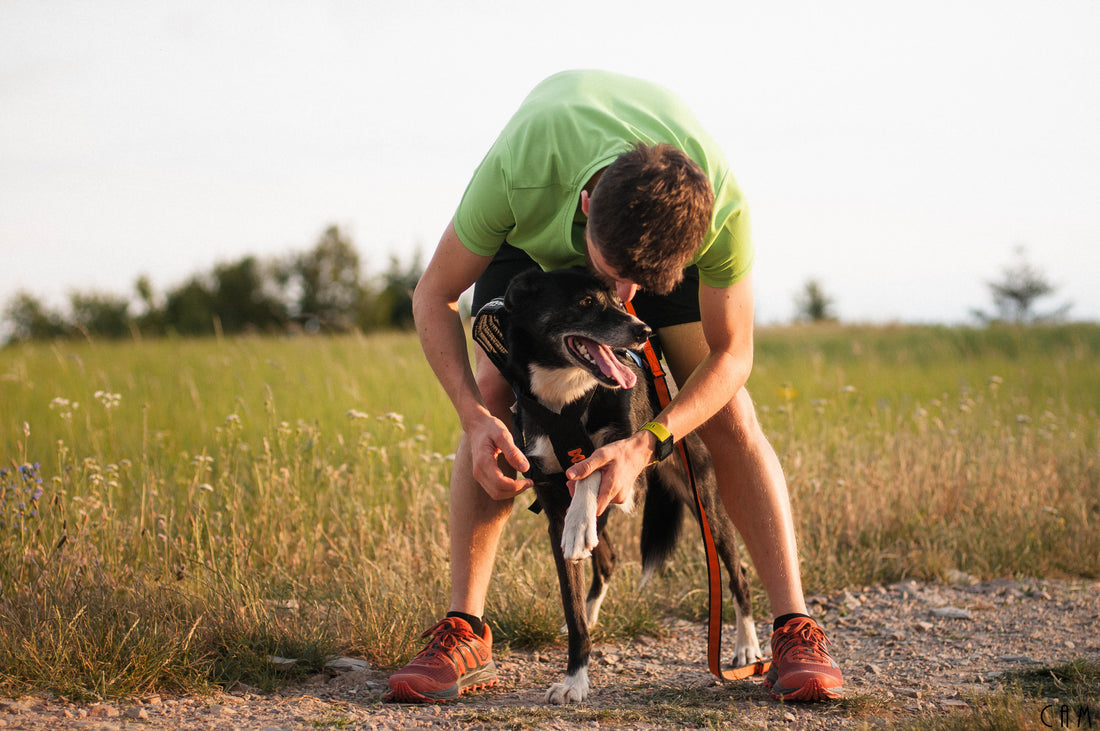
Select smooth paths and avoid sharp rocks or broken glass. Avoid hot asphalt during summer to prevent burns. Regularly check walking areas for hazards. Safe environments reduce chances of cuts and paw injuries.
Credit: www.nonstopdogwear.com
Frequently Asked Questions
Will A Dog’s Bleeding Nail Heal On Its Own?
A dog’s bleeding nail can heal on its own if the cut is minor and bleeding stops quickly. Clean and monitor it closely. Seek veterinary care if bleeding persists, the wound is deep, or signs of infection appear.
How Should I Treat A Raw Dog Paw Pad?
Clean the raw paw pad with warm, soapy water. Apply an antiseptic ointment safe for dogs. Cover with a non-stick bandage. Change the bandage daily and keep the paw dry. Monitor for signs of infection or excessive bleeding. Consult a vet if the wound worsens.
Can I Put Neosporin On My Dog’s Paw Wound?
Yes, you can apply a small amount of Neosporin on your dog’s paw wound to prevent infection. Avoid using large quantities or on deep wounds. Always clean the wound first and monitor for signs of irritation. Consult your vet if the wound worsens or doesn’t heal.
Will A Dog’s Paw Pad Heal On Its Own?
A dog’s paw pad can heal on its own if the injury is minor and clean. Deep or bleeding wounds need veterinary care. Keep the area clean and avoid excessive walking to promote healing. Monitor for infection signs like swelling or redness.
Seek a vet if healing slows or worsens.
Conclusion
Stopping your dog’s paw from bleeding takes calm and quick action. Apply pressure gently and avoid pulling off soaked cloths. Use cornstarch or flour to help stop bleeding from torn nails. Keep the wound clean and watch for signs of infection or deep injury.
If bleeding doesn’t stop or the cut looks serious, see a vet right away. Taking these steps helps your dog heal faster and stay comfortable. Always stay calm and patient—it makes a big difference in your dog’s recovery.