
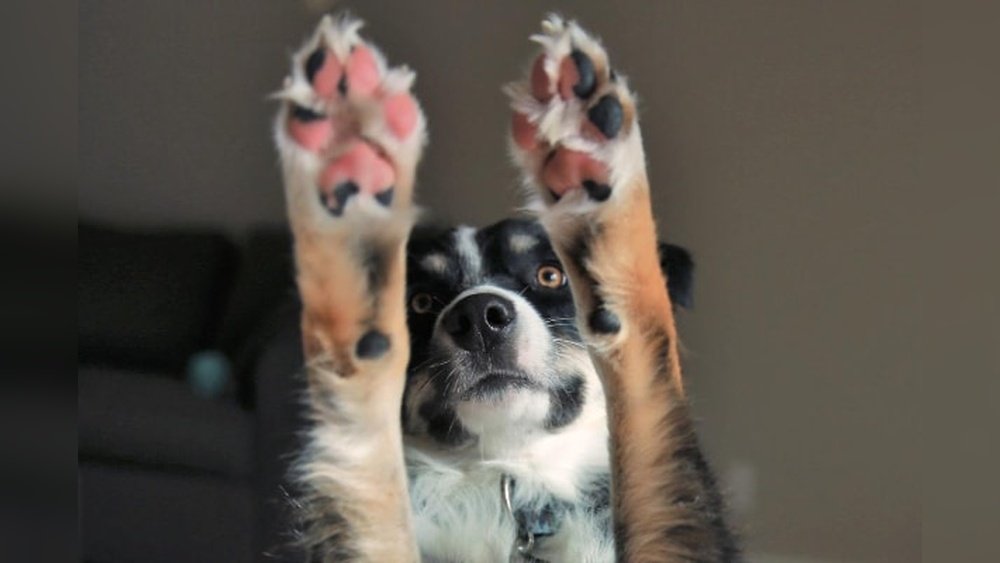
Your dog’s paws are their foundation—they carry them through every walk, run, and adventure. But what happens when those paws get hurt?
Paw pad injuries can be painful and frustrating for your furry friend, and knowing how to care for them properly is crucial. If you’re wondering how to heal paw pads on a dog quickly and safely, you’re in the right place.
This guide will walk you through simple, effective steps you can take at home to soothe your dog’s paws, prevent infection, and speed up healing. Keep reading to learn how to protect your dog’s paws and get them back on their feet in no time.
Credit: www.preventivevet.com
Dog Paw Pad Basics
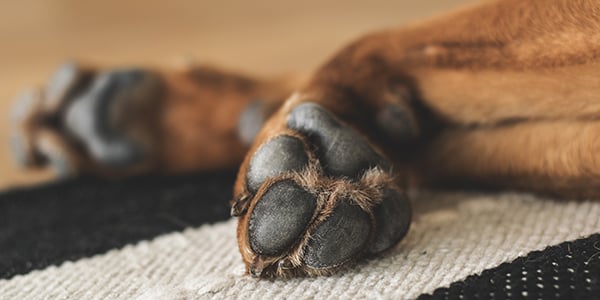
Understanding the basics of dog paw pads helps in proper care and healing. Paw pads protect dogs from rough surfaces and harsh weather. They act as shock absorbers and provide traction for walking on slippery ground. Healthy paw pads keep your dog comfortable during daily activities.
Knowing the structure and function of paw pads aids in spotting problems early. It also helps you treat injuries correctly to avoid complications. Paw pads are tough but can get damaged from various causes.
Structure And Function
Dog paw pads consist of thick, tough skin layered with fat and connective tissue. This design cushions the bones and joints from impact. The outer layer is rough to resist cuts and abrasions. Paw pads contain sweat glands that help regulate body temperature. They also provide grip on slippery or uneven surfaces. Each paw has a large central pad and smaller digital pads beneath the toes. These pads work together for balance and support.
Common Injuries
Paw pads often get injured from hot pavement, ice, sharp objects, or rough terrain. Cuts, scrapes, burns, and cracks are common issues. Constant licking or chewing can worsen injuries. Dry or cracked pads increase the risk of infection. Foreign objects like thorns or glass can get stuck and cause pain. Detecting injuries early prevents serious problems. Watch for limping, licking, or bleeding as signs of paw pad damage.

Credit: www.scenthound.com
Immediate Care Steps
Immediate care is vital for healing your dog’s paw pads quickly. Act fast to reduce pain and prevent infection. Simple steps can make a big difference in recovery.
Start by cleaning the wound carefully. Remove any dirt or debris that might cause problems. Protect the paw from harmful substances that delay healing.
Cleaning The Wound
Use warm water to rinse the paw gently. Add mild soap or a diluted antiseptic to kill germs. Avoid scrubbing; instead, pat the area softly to clean it. Dry the paw with a clean cloth or let it air dry.
Removing Debris Safely
Check the paw for small stones, thorns, or dirt. Use clean tweezers to pick out any visible debris. Do this slowly and carefully to avoid causing pain. If debris is deep or hard to remove, see a vet for help.
Avoiding Harmful Substances
Never use rubbing alcohol or hydrogen peroxide on the wound. These can harm the skin and slow healing. Avoid creams or ointments not made for dogs. Stick to vet-approved products for safe care.
Bandaging Techniques
Healing your dog’s paw pads at home needs care and gentle treatment. Paw pads are tough but can crack or get injured easily. Using home remedies helps soothe pain and speed recovery. These remedies are simple and safe for most dogs. Always watch your dog closely during the healing process.
Natural Soothing Treatments
Start by cleaning the paw with warm water to remove dirt. Avoid harsh soaps or chemicals that can irritate the skin. Applying natural oils like coconut oil can calm the area. It helps reduce dryness and prevents cracking. Aloe vera gel is another good option for soothing inflammation. These natural treatments keep the paw moist and support healing.
Using Vet-approved Creams
Vet-approved creams help protect and heal damaged paw pads. They contain ingredients that fight infection and reduce pain. Always clean the paw before applying the cream. Use a thin layer to cover the sore spots. Follow your vet’s instructions on how often to apply. These creams create a barrier against dirt and bacteria. They also speed up the skin repair process.
Protecting The Paw During Recovery
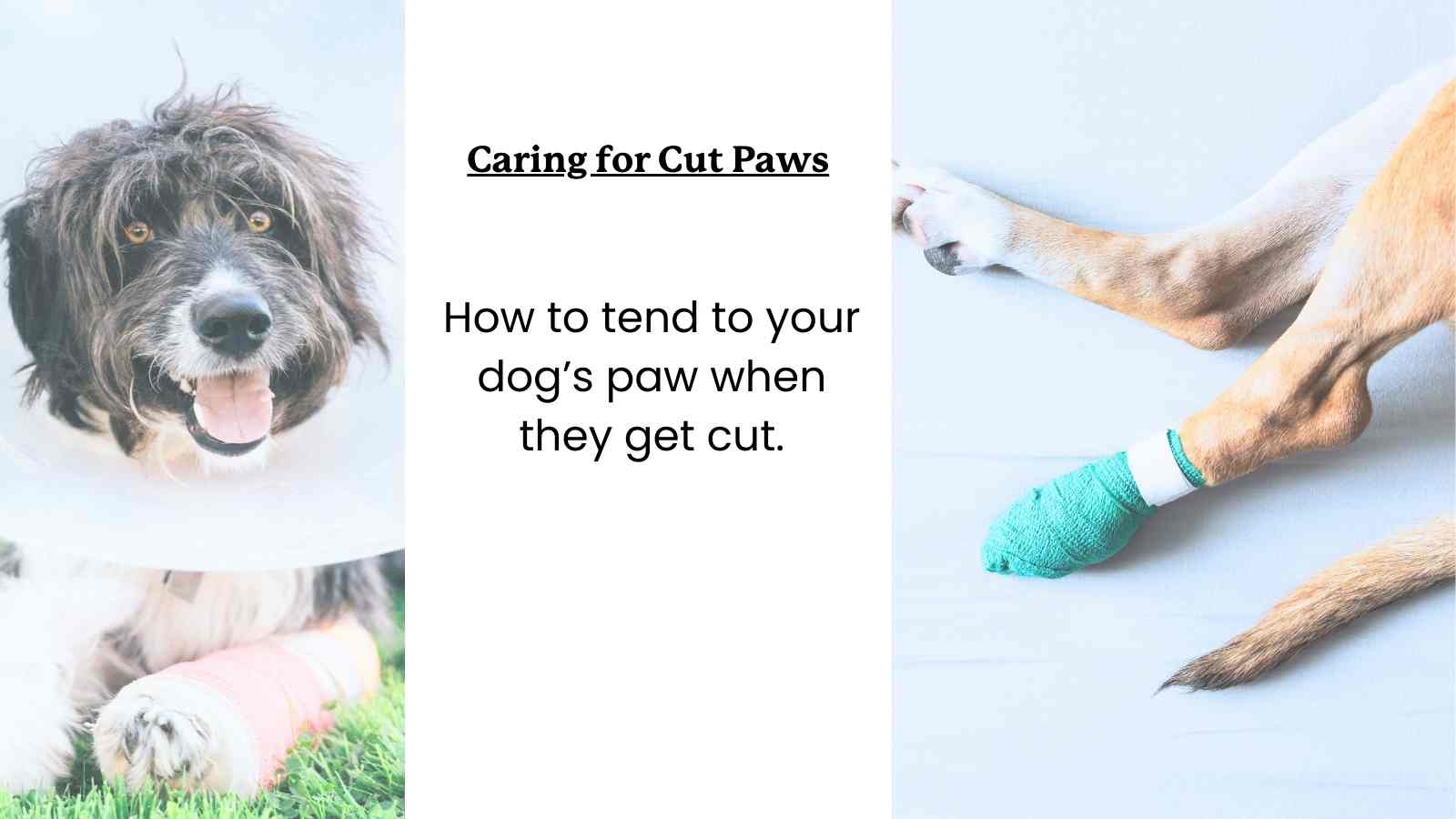
Keep the paw safe to avoid more damage. Use a soft bandage or dog booties to cover the paw. This stops dirt from entering wounds and prevents licking. Change bandages daily to keep the area clean. Limit outdoor walks on rough surfaces until the paw heals. Monitor your dog’s behavior for signs of pain or discomfort. Protecting the paw helps ensure a faster and cleaner recovery.
Credit: lolahemp.com
Home Remedies For Healing
Knowing when to seek veterinary care is crucial for your dog’s paw pad healing. Some injuries look minor but can worsen without proper treatment. Timely professional help prevents complications and ensures faster recovery.
Signs Of Infection
Watch for redness, swelling, or warmth around the paw. Pus or foul odor means infection. Your dog may lick or chew the paw often. Fever or lethargy can also signal infection. A vet can prescribe antibiotics and proper care.
Deep Or Severe Injuries
Deep cuts or large wounds need veterinary attention. If the paw pad is torn or has flaps of skin, do not delay. Severe injuries may require stitches or special dressings. A vet can properly clean and protect the wound.
Persistent Pain Or Bleeding
Continuous bleeding after applying pressure is a warning. If your dog limps or cries in pain for hours, get help. Persistent pain can mean hidden damage or infection. A vet will examine and treat the injury to ease pain.
When To Get Veterinary Help
Preventing future paw injuries helps keep dogs active and comfortable. Healthy paws protect dogs from pain and infection. Taking simple steps reduces the risk of damage. Consistent care supports strong, resilient paw pads. Here are some key ways to prevent injuries before they happen.
Seasonal Care Tips
Hot pavement can burn paw pads in summer. Avoid walking your dog on asphalt during peak heat. In winter, salt and ice can irritate paws. Rinse paws after walks to remove harmful chemicals. Dry paws thoroughly to prevent cracking. Adjust walk times and routes according to the weather. Seasonal care keeps paws safe and healthy year-round.
Protective Gear For Dogs
Dog boots shield paws from rough surfaces and extreme temperatures. They provide a barrier against cuts and burns. Choose boots that fit well and stay secure. Socks with grips can offer extra traction indoors. Protective gear is useful during hikes, snow, or hot weather. This gear reduces wear and tear on delicate paw pads.
Regular Paw Inspections
Check paws daily for cuts, cracks, or foreign objects. Early detection helps prevent infections and worsened injuries. Look between toes and pads carefully. Keep nails trimmed to avoid snagging or tearing. Clean paws after outdoor play to remove dirt and debris. Regular inspections allow quick action and better paw health.
Frequently Asked Questions
What Can I Put On My Dog’s Paw Pad To Help It Heal?
Clean your dog’s paw with warm, soapy water or diluted antiseptic. Apply a non-stick gauze and secure with Vet Wrap. Keep it dry and change bandages daily. Use pet-safe paw balms to soothe and protect during healing. Avoid harsh chemicals like hydrogen peroxide or alcohol.
Will A Dog’s Paw Pad Heal On Its Own?
A dog’s paw pad can heal on its own if the injury is minor and clean. Keep it clean, dry, and protected. Seek veterinary care for deep cuts, persistent bleeding, or signs of infection to ensure proper healing.
How Can I Help My Dog’s Cracked Paw Pads Heal?
Clean your dog’s cracked paw pads with warm water and mild soap. Apply a pet-safe moisturizer or paw balm. Protect with a breathable bandage and prevent licking. Keep the area dry and change the bandage daily. Consult a vet if cracks worsen or show signs of infection.
What To Do If Your Dog’s Paw Pad Is Ripped But Not Bleeding?
Clean the paw gently with warm water and mild soap. Remove debris carefully. Apply a non-stick bandage and secure it with Vet Wrap. Keep the bandage dry and change daily. Monitor for infection signs. Visit a vet if the injury worsens or shows swelling, pus, or severe pain.
Conclusion
Healing your dog’s paw pads takes patience and care. Clean the wounds gently and keep them protected daily. Watch for signs like swelling or bad smell. These may need a vet’s attention. Using soft bandages helps keep dirt out and speed healing.
Remember, healthy paws let your dog enjoy walks and play safely. Stay consistent with care, and your dog’s pads will feel better soon.