
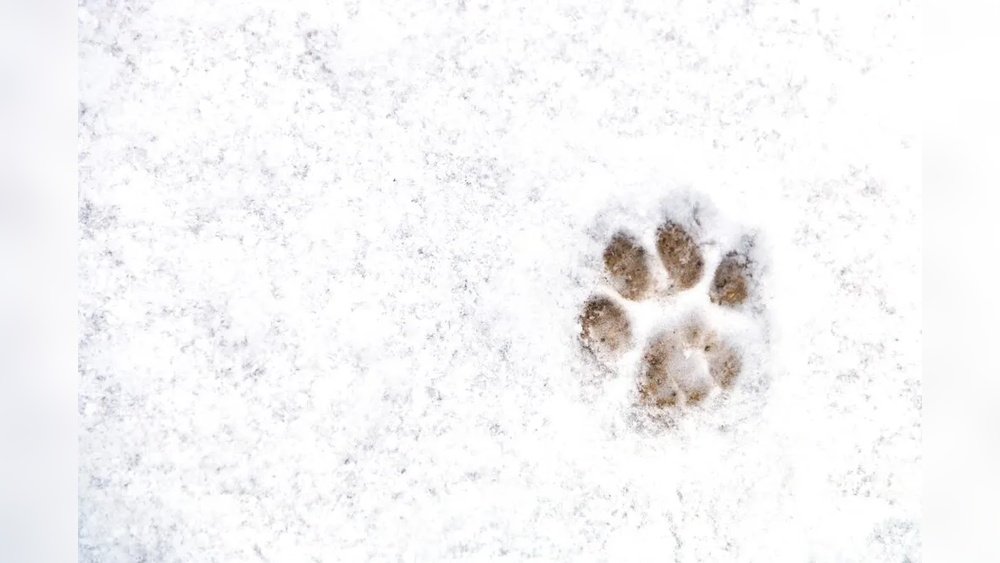
Have you ever wondered how long your dog’s paws can safely stay in the snow? As the chilly winter days roll in, you might want to take your furry friend out for some snowy fun—but how much time is too much?
Snow and ice can be harsh on your dog’s paws, causing discomfort or even injury if you’re not careful. If you want to keep your dog happy and healthy while enjoying the winter wonderland, it’s important to know the signs to watch for and how to protect their paws.
Keep reading to discover everything you need to know about how long your dog’s paws can be in the snow and how to keep them safe during those cold adventures.
Dog Paw Sensitivity To Cold
Dogs’ paws are sensitive to cold weather. The paw pads have less fur and thin skin. This makes them more vulnerable to frostbite and cracks.
Snow and ice can cause discomfort quickly. Cold surfaces draw heat away fast, leading to numbness or pain. Some dogs tolerate cold better, but most need protection.
Temperature Limits For Paw Exposure
Paw exposure to temperatures below 20°F can be risky. Prolonged contact with snow or ice increases frostbite chances. Wet paws freeze faster than dry ones.
Dogs with thin coats or small size are more at risk. Keep walks short in very cold weather. Use paw wax or booties to shield paws.
Signs Of Cold Stress In Paws
Watch for limping or lifting paws off the ground. Red or pale pads signal poor blood flow. Cracks, bleeding, or swelling require immediate care.
Shivering or reluctance to walk also show cold stress. Early detection helps prevent serious injuries. Check paws often during winter outings.
Snow Impact On Dog Paws
Snow and cold weather can be tough on dogs’ paws. The impact of snow on their paws goes beyond just getting wet or dirty. Prolonged exposure to cold and icy conditions can cause serious problems. Understanding these effects helps owners protect their pets better. Below, you will find important information about the risks and symptoms of frostbite. Also, learn how ice and snow affect the paw pads.
Frostbite Risks And Symptoms
Frostbite happens when skin and tissues freeze due to cold. Dogs’ paws are very vulnerable because they touch the snow directly. Cold temperatures and wet conditions increase frostbite risk. Small or thin-coated dogs face higher chances of frostbite. Look for signs like pale or blue skin on paws. Swelling, redness, or blisters may appear too. If your dog limps or licks their paws a lot, check for frostbite. Early treatment helps prevent serious damage.
Effects Of Ice And Snow On Paw Pads
Snow and ice can dry out dog paw pads. Frozen surfaces cause cracks and rough patches. Salt and chemicals used on roads can irritate the skin. These substances may cause pain or burns on paws. Snow balls can form between toes, making walking painful. Cold and rough surfaces can lead to cuts or abrasions. Regularly check and clean your dog’s paws after walks. Applying paw balm can protect and soothe the pads.
Safe Snow Exposure Duration
Dogs’ paws can safely stay in snow for about 10 to 15 minutes before risk of cold damage rises. Watch for signs like lifting paws or limping to prevent frostbite. Using paw protection helps extend safe snow time during winter walks.
Snow can be fun for dogs, but their paws need protection. Cold snow and ice can harm paw pads. Prolonged exposure risks frostbite and cracking. Knowing safe time limits helps keep dogs comfortable and healthy. Short breaks in the snow work best for most dogs. Watch your pet for signs of discomfort or cold.
Factors Influencing Time Limits
Several factors change how long a dog’s paws tolerate snow. Temperature and wind chill lower the safe exposure time. Wet snow can chill paws faster than dry snow. Salt and ice melts on sidewalks irritate paw pads. Activity level matters; running dogs stay warmer than those standing still. Frequent checks during snow play prevent problems early.
Breed And Paw Pad Variations
Breed affects a dog’s paw resilience to snow. Dogs bred for cold climates often have thicker pads. Huskies and Malamutes handle snow longer without issues. Smaller breeds or those with thin pads need shorter exposure. Older dogs and puppies also have sensitive paws. Tailor snow time based on your dog’s breed and paw condition.

Credit: billypenn.com
Paw Protection Options
Protecting your dog’s paws in snowy conditions is important. Snow and ice can cause discomfort, dryness, and even injury. Several paw protection options help keep paws safe and healthy during winter walks. Choosing the right method depends on your dog’s needs and comfort.
Below are some common ways to protect your dog’s paws from snow and cold.
Dog Booties: Pros And Cons
Dog booties act like shoes for your pet’s paws. They create a barrier against snow, ice, and salt. Booties help prevent frostbite and keep paws dry. Some dogs resist wearing booties at first. Finding the right size and fit can be tricky. Booties may slip off during play or walking. However, they offer strong protection against cold and rough surfaces.
Using Paw Wax And Balms
Paw wax and balms provide a protective layer on paw pads. They help lock in moisture and block harmful elements. Applying wax before walks helps prevent cracks and dryness. These products are easy to use and less intrusive than booties. Regular use keeps paws soft and healthy. Some waxes also contain natural ingredients that soothe irritated skin.
Natural Remedies For Paw Care
Natural remedies support paw health without chemicals. Coconut oil is a popular choice to moisturize paws. Aloe vera gel can calm irritated skin after walks. Oatmeal baths relieve itching and inflammation. These remedies help repair damage caused by snow and ice. They work well alongside other protection methods. Always test a small area first to avoid reactions.
Preparing Dogs For Snow Walks
Preparing dogs for snow walks helps keep their paws safe and comfortable. Cold weather and ice can hurt their paw pads. Snow can stick between toes, causing pain or frostbite. Proper preparation reduces these risks. Start by getting your dog used to protective gear. Also, check their paws often during and after walks. These steps help your dog enjoy the winter outdoors without harm.
Introducing Booties Gradually
Booties protect paws from cold, ice, and salt. Some dogs resist wearing them at first. Put booties on indoors for short times. Praise your dog to create a positive feeling. Increase wearing time a little each day. Walk on carpet or grass to avoid slipping. Gradual introduction helps dogs accept booties easily. This keeps their paws safe on snowy walks.
Checking Paws During And After Walks
Snow can clump between a dog’s toes. This causes discomfort and may lead to cuts. Stop often to check your dog’s paws. Look for ice, snow, or salt stuck on pads. Remove any debris carefully to avoid injury. After walks, dry paws with a towel. Check for redness, cracks, or bleeding. Early detection prevents serious paw problems. Regular checks keep paws healthy all winter long.
Indoor Paw Care After Snow
After your dog spends time in the snow, indoor paw care is essential. Snow and ice can cause dryness, cracks, and irritation on paw pads. Keeping paws clean and healthy helps prevent infections and discomfort. Proper care also improves your dog’s comfort and mobility.
Cleaning And Drying Paws
Start by gently wiping your dog’s paws with a damp cloth. Remove snow, ice, salt, and debris stuck between the toes. These materials can irritate the skin or cause chemical burns. Use lukewarm water, not hot, to avoid further irritation.
After cleaning, dry the paws thoroughly. Moisture left on paws can lead to fungal infections or frostbite. Use a soft towel to pat the paws dry. Make sure to get between the toes and pads. A hairdryer on a low, cool setting can help if your dog allows it.
Moisturizing And Healing Cracks
Snow and cold air often dry out paw pads, causing cracks and soreness. Apply a dog-safe paw balm or moisturizer to soothe and protect the skin. Avoid human lotions, as some ingredients can be harmful to dogs.
Regular moisturizing keeps the paw pads soft and flexible. It also speeds up healing of any cracks or rough spots. Check your dog’s paws daily during winter to spot problems early. For severe cracks or bleeding, consult your vet promptly.
Avoiding Common Winter Paw Hazards
Winter brings many challenges for dogs’ paws. Snow and ice can cause discomfort and injury. Taking steps to avoid common winter paw hazards helps keep dogs safe and happy. Protecting their paws prevents pain and long-term damage.
Salt And Chemical Exposure
Salt and chemicals melt ice but harm dog paws. These substances cause dryness and cracking. Dogs may lick their paws, risking chemical ingestion. Rinse paws with warm water after walks. Use paw balm to create a protective barrier. Avoid areas heavily treated with salt or chemicals.
Hidden Ice And Sharp Objects
Snow can hide ice patches and sharp objects. Dogs can slip or cut their paws on hidden hazards. Check walking paths carefully before letting dogs roam. Use dog booties for extra protection. Keep walks short in risky areas to reduce injury chances. Regularly inspect paws for cuts or irritation after outdoor play.

Credit: www.ultimatespetfood.com
Frequently Asked Questions
What Is The 7 7 7 Rule For Dogs?
The 7 7 7 rule for dogs means 7 minutes outside, 7 minutes warming paws, then 7 minutes more. It helps prevent frostbite and paw damage in cold weather.
What Temperature Can Dogs’ Paws Handle?
Dogs’ paws can generally handle temperatures down to about 32°F (0°C). Prolonged exposure below 20°F (-6°C) risks frostbite and injury. Always monitor paw health during cold weather to prevent damage and discomfort.
Should I Be Worried If My Dog’s Paws Are Cold?
Cold paws in dogs often result from low temperatures and usually aren’t serious. Watch for signs like limping or discoloration, which need vet attention. Keep walks short in cold weather and protect paws with booties or balm to prevent frostbite and discomfort.
Does Snow Bother Dogs’ Paws?
Snow can irritate dogs’ paws by causing dryness, cracking, and frostbite. Limit snow exposure and protect paws with booties or balm.
Conclusion
Dogs’ paws can handle snow for short periods safely. Cold snow and ice may cause discomfort or frostbite. Watch your dog closely for signs of pain or limping. Use protective gear like booties if needed. Keep walks brief during very cold weather.
Wipe paws after walks to remove ice or salt. Every dog is different; some tolerate cold better. Prioritize your dog’s comfort and safety in winter. Regular checks help prevent paw injuries in snow. Enjoy snowy days, but keep your dog warm and cared for.