
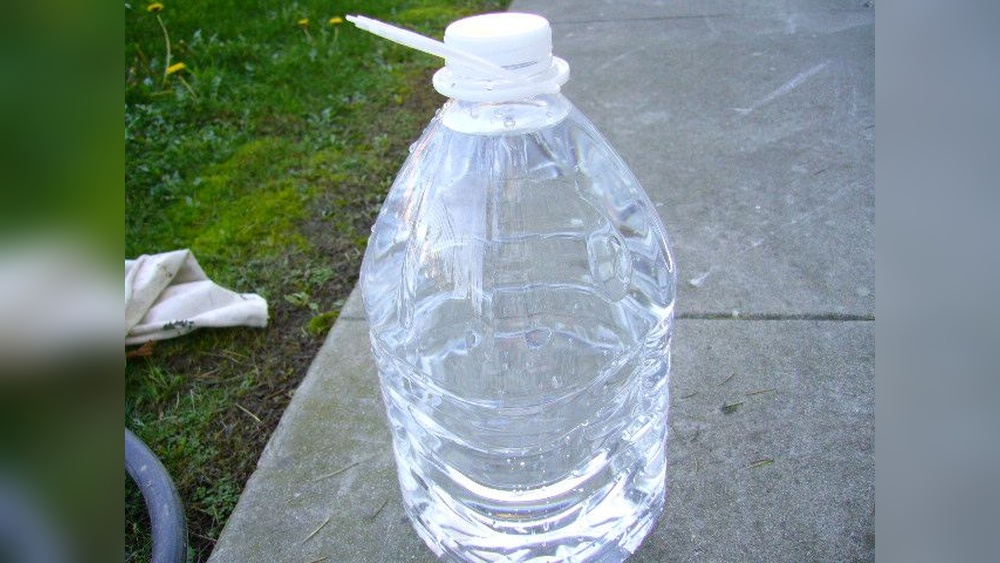
Is your yard constantly becoming an unwanted bathroom for neighborhood dogs? It’s frustrating to find your carefully maintained lawn spoiled by dog poop.
But you don’t have to accept it as a fact of life. You can take simple, effective steps to keep dogs from pooping in your yard—and reclaim your outdoor space. Whether it’s your neighbor’s pet or stray dogs passing through, this guide will show you practical ways to protect your lawn.
Keep reading to discover easy, safe, and proven methods that work so you can enjoy a clean, fresh yard again.
Scent-based Repellents
Scent-based repellents offer a natural way to keep dogs from pooping in your yard. Dogs have a strong sense of smell and dislike certain scents. Using these scents can discourage them from entering your space. These repellents are easy to apply and safe for your garden and pets.
Citrus Peels
Citrus peels from oranges, lemons, or limes work well as dog repellents. Scatter fresh or dried peels around your yard. The strong citrus smell deters dogs from entering. Replace peels regularly to keep the scent fresh and effective.
Vinegar And Water Sprays
Mix equal parts vinegar and water in a spray bottle. Spray this solution on areas where dogs usually go. The sharp vinegar smell repels dogs instantly. Avoid spraying on plants as vinegar can harm them.
Coffee Grounds
Used coffee grounds have a strong odor dogs dislike. Spread dry coffee grounds around your garden beds or along fences. They also improve soil quality, making this a double benefit for your yard.
Cayenne Pepper Use
Sprinkle cayenne pepper lightly on the lawn or garden edges. Dogs dislike the spicy scent and taste. Use caution to avoid contact with your pets’ paws or eyes. Reapply after rain or watering for continuous effect.
Commercial Repellent Options
Several commercial dog repellents use scents dogs avoid. These products come in sprays, granules, or gels. Follow package instructions for safe and effective use. Choose eco-friendly options to protect your plants and pets.
Physical Barriers
Physical barriers offer a simple and effective way to stop dogs from pooping in your yard. These barriers create a clear boundary that discourages dogs from entering your space. They work well for both your dogs and neighborhood pets. Installing physical barriers can be a long-term solution that adds beauty and security to your yard.
Low Fencing Solutions
Low fences keep dogs out without blocking your view. They are easy to install and maintain. Choose fences made from wood, metal, or plastic. These materials are sturdy and dog-proof. Make sure the fence is tall enough to stop dogs from jumping over. Check for gaps at the bottom to prevent dogs from slipping in. Low fences also help protect your garden from other animals.
Hedges And Natural Borders
Hedges create a natural and attractive border around your yard. Thick bushes like boxwood or holly can block dogs’ access. They also add privacy and improve your yard’s look. Plant hedges close together for a solid barrier. Use plants with dense, thorny branches to discourage dogs. Natural borders are eco-friendly and safe for pets and kids.
Gate And Yard Modifications
Secure gates prevent dogs from entering your yard easily. Use self-closing hinges and locks to keep gates shut. Add barriers like chicken wire or mesh to block small dogs. Check for holes or weak spots around fences and gates. Repair any damage quickly to maintain a strong barrier. Yard modifications help keep your property clean and dog-free.
Technological Deterrents
Technological deterrents offer practical ways to keep dogs from pooping in your yard. These devices use motion sensors or sound waves to discourage dogs without harming them. They provide an automatic and hands-free solution, making yard protection easier.
Motion-activated Sprinklers
Motion-activated sprinklers detect movement and spray water instantly. The sudden burst surprises dogs and stops them from entering your yard. These sprinklers cover large areas and adjust to different weather conditions. They work day and night, requiring little maintenance. Water is safe, so you don’t worry about harming pets or wildlife.
Ultrasonic Devices
Ultrasonic devices emit high-frequency sounds that dogs dislike. These sounds are usually inaudible to humans but unpleasant for dogs. The devices activate when they sense motion near your yard. They teach dogs to avoid your property without causing pain. Ultrasonic deterrents are quiet, easy to install, and energy-efficient. Use them to keep unwanted dogs away gently and effectively.
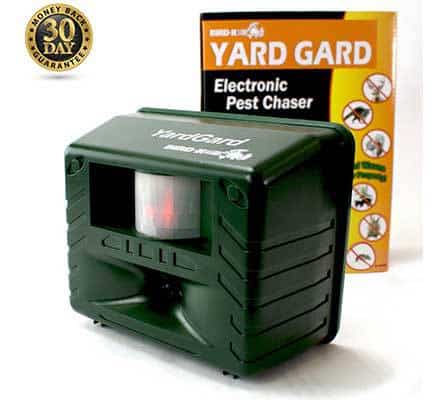
Credit: bird-x.com
Preventative Practices
Preventative practices help reduce dog waste in your yard before it starts. These simple habits keep your space clean and discourage dogs from pooping there. Staying consistent with these steps creates a dog-free zone for your lawn.
Regular Yard Cleaning
Remove dog waste quickly and often. This stops smells that attract other dogs. Clean yards look inviting and discourage dogs from marking the area. Rake leaves and trim grass to keep your yard neat. A tidy yard sends a clear message.
Talking To Neighbors
Speak kindly with neighbors about their dogs. Ask them to control their pets from entering your yard. Sharing concerns can lead to better respect for your space. Neighbors often appreciate a polite reminder. Cooperation reduces unwanted dog visits.
Providing Designated Dog Areas
Create a special spot for dogs to do their business. Use mulch or gravel to mark the area clearly. Encourage dogs to use this space by rewarding them. A designated area keeps the rest of your yard clean. Dogs learn faster with clear boundaries.
Maintaining Effectiveness
Keeping dogs from pooping in your yard takes ongoing care. A one-time effort often loses its power quickly. Maintaining effectiveness means staying consistent with your chosen methods. It also involves tweaking your approach based on results. This keeps your yard dog-free for longer.
Reapplying Repellents After Rain
Rain can wash away scent-based repellents fast. These include vinegar sprays, citrus peels, and commercial products. After heavy rain, reapply repellents to restore their strength. Check your yard regularly for damp spots. Apply fresh repellents to these areas to keep dogs away.
Monitoring And Adjusting Methods
Track how well your methods work over time. Watch for new dog visits or fresh droppings. If dogs return, try changing your deterrents or barriers. Some dogs may ignore certain smells or fences. Swap repellents or add new ones for better results. Keep adjusting until your yard stays clean.

Credit: www.wikihow.com
Credit: giovinelandscaping.com
Frequently Asked Questions
How Do I Stop A Neighbor’s Dog From Pooping In My Yard?
Talk to your neighbor about their dog. Use motion-activated sprinklers or low fences. Apply citrus peels, vinegar spray, or commercial dog repellents regularly.
What Scent Do Dogs Absolutely Hate?
Dogs absolutely hate scents like citrus, vinegar, coffee grounds, mothballs, and ammonia. These smells repel them effectively.
What Smell Will Stop Dogs From Pooping?
Dogs often avoid smells like vinegar, citrus peels, coffee grounds, and commercial repellents. These scents help stop dogs from pooping in specific areas.
How Do I Stop Stray Dogs From Pooping In My Yard?
Use scent repellents like citrus peels, coffee grounds, or vinegar sprays. Install motion-activated sprinklers or low fences. Clean your yard regularly to discourage repeat visits.
Conclusion
Keeping dogs from pooping in your yard takes patience and effort. Use simple tools like scent repellents and barriers. Motion-activated sprinklers can also help scare dogs away. Talk kindly with neighbors about their pets. Consistency matters most; repeat deterrents often.
Your yard will stay clean and fresh with these steps. Small actions make a big difference over time. Stay calm and keep trying different methods. You can protect your lawn and enjoy your outdoor space.