
Your dog’s paw is tough, but it’s not immune to cuts, scrapes, or wounds. When your furry friend injures their paw, it’s natural to feel worried and unsure about what to do next.
You want to help your dog heal quickly and avoid infections, but cleaning a dog wound on the paw can be tricky if you don’t know the right steps. The good news is that with some simple care, you can safely clean your dog’s paw wound at home and set them on the path to recovery.
You’ll learn exactly how to clean your dog’s paw wound the right way, what to avoid, and how to protect your pet during healing. Keep reading to discover easy, effective tips that will keep your dog comfortable and healthy after an injury.
Prepare For Cleaning
Preparing to clean your dog’s paw wound is crucial for proper care. This step helps prevent infections and makes the cleaning process smoother. You must stay calm and work carefully to keep your dog comfortable and safe.
Muzzle Your Dog Safely
Even the gentlest dogs may bite when in pain. Use a soft muzzle or a makeshift one from a cloth. Make sure it fits well but does not cause distress. A muzzle protects you and helps your dog stay calm during cleaning.
Control Heavy Bleeding
If the wound bleeds heavily, act fast. Press a clean cloth or towel firmly over the cut. Hold steady pressure for several minutes without lifting the cloth. This helps slow or stop the bleeding before you clean the wound.
Avoid Harmful Chemicals
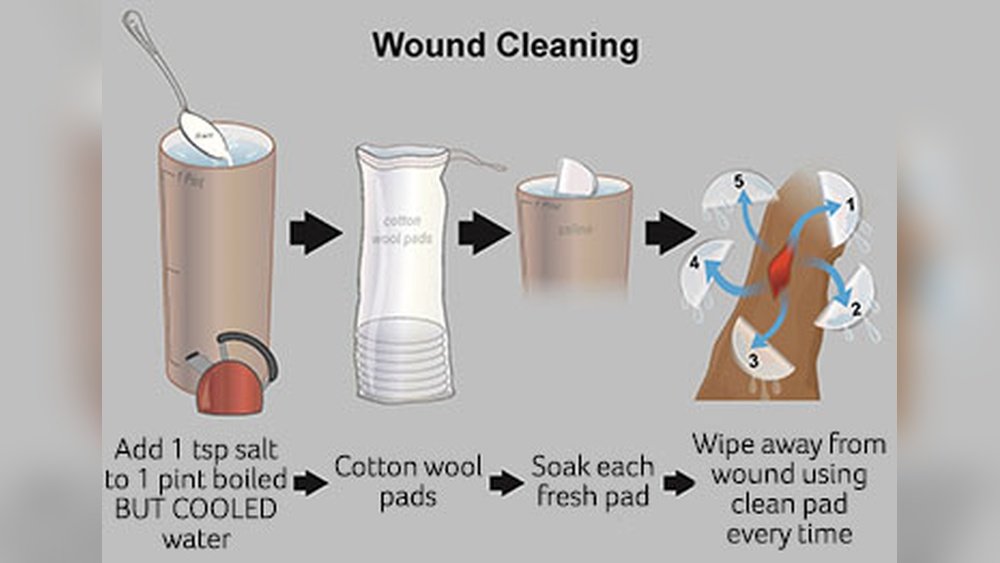
Do not use human antiseptics, rubbing alcohol, or hydrogen peroxide. These substances can harm your dog’s skin and delay healing. Use only vet-approved solutions like diluted chlorhexidine or saline water. Gentle cleaning protects the wound and encourages faster recovery.

Credit: toegrips.com
Clean The Wound
Cleaning a dog’s paw wound is the first step to help it heal quickly. Proper cleaning lowers the chance of infection and speeds recovery. Use gentle methods to avoid causing more pain or damage.
Rinse With Warm Water
Start by rinsing the wound with warm water. Use clean, lukewarm water to wash away dirt and bacteria. Avoid hot or cold water because it can hurt your dog’s skin. Let the water flow gently over the wound for a few minutes.
Use Diluted Antiseptic
Next, apply a diluted antiseptic solution. Mix an antiseptic like chlorhexidine with water to make a safe cleaning liquid. Use a clean cloth or cotton ball to apply it softly around the wound. This kills germs without harming the skin.
Remove Dirt And Debris
Look closely for bits of dirt, grass, or small stones in the wound. Use tweezers cleaned with alcohol to pick them out carefully. Removing debris stops infection and helps the wound heal faster. Be gentle to avoid hurting your dog more.
Pat Dry Gently
After cleaning, pat the paw dry with a clean, soft towel. Do not rub, as this can reopen the wound. Drying helps prevent moisture buildup that can cause infection. Make sure the area is fully dry before applying any bandage.
Apply Bandage
Applying a bandage to your dog’s paw wound helps protect it from dirt and bacteria. A proper bandage keeps the wound clean and supports healing. Using the right materials and wrapping techniques ensures comfort and safety for your pet.
Choose Non-stick Sterile Pads
Select sterile pads that do not stick to the wound. These pads prevent pain and damage when removing the bandage. Place the pad gently over the cleaned wound, covering it completely. This creates a protective layer that absorbs any discharge and keeps the area clean.
Wrap With Self-adhesive Vet Wrap
Use self-adhesive vet wrap to secure the sterile pad in place. This wrap sticks to itself, avoiding the need for clips or tape. Begin wrapping at the top of the paw, moving downward carefully. Make sure the entire pad stays covered and secured by the wrap.
Wrap Loosely For Blood Flow
Wrap the bandage loosely to allow proper blood circulation. A tight wrap can cause swelling and discomfort. Check the bandage often to ensure it stays snug but not too tight. You should be able to slide a finger under the bandage without difficulty.
Prevent Licking And Chewing
Stopping your dog from licking and chewing the paw wound is key for quick healing. Licking can introduce bacteria and slow recovery. Chewing might reopen the injury or cause more damage. Use methods to keep your dog from disturbing the wound.
Use Elizabethan Collar
The Elizabethan collar, or e-collar, prevents your dog from reaching the paw. It fits around the neck and blocks access to the wound. Choose the right size for comfort and safety. Use the collar consistently until the wound heals well. It protects the paw from licking and biting, reducing infection risk.
Monitor Dog’s Behavior
Watch your dog closely after cleaning the wound. Notice signs of licking, chewing, or irritation. Distract your dog with toys or treats to reduce focus on the paw. Gentle praise helps shift attention away from the injury. Early detection of licking allows quick action to protect the wound.
Monitor For Infection
After cleaning your dog’s paw wound, monitoring for infection is crucial. Early signs can indicate if the wound needs extra care or veterinary attention. Watch your dog’s paw closely to keep the healing process on track. Infection can slow healing and cause more pain. Spotting problems fast helps prevent serious issues.
Check For Swelling And Redness
Look at the wound area daily for swelling or redness. Slight redness is normal at first, but it should not spread or get worse. Swelling that grows or feels warm to the touch can signal infection. Compare the injured paw to the other paw for any size or color changes. Notice any hard or raised areas around the wound.
Watch For Discharge Or Bad Odor
Clear fluid draining from the wound is normal, but thick, yellow, green, or bloody discharge is not. These types of discharge often mean infection. A foul or sour smell coming from the wound is another warning sign. Check the wound bandage daily for any soaked or smelly spots. Replace the bandage if it becomes wet or dirty.
Observe Changes Daily
Make wound checks part of your daily routine. Look for new cuts, scabs falling off too soon, or the wound reopening. Watch your dog’s behavior for signs of pain or discomfort. Limping, licking, or biting the paw excessively can indicate trouble. Keep the wound clean and dry to help healing and avoid infection.
When To See A Vet
Knowing when to see a vet for your dog’s paw wound is key. Some wounds heal well at home. Others need professional care to avoid problems. Watch your dog’s injury closely. Quick action can prevent infections and serious damage.
Assess Depth And Cause Of Cut
Check how deep the cut is. A shallow scratch might heal alone. A deep cut may need stitches. Also, find out what caused the wound. Sharp objects or animal bites can cause hidden damage. These wounds often require vet care.
Check For Continuous Bleeding
Apply gentle pressure to the wound. If bleeding does not stop after 10 minutes, see a vet. Continuous bleeding can lead to shock or severe blood loss. It may mean a major blood vessel is cut.
Look For Signs Of Severe Infection
Watch for swelling, redness, or heat around the wound. Foul smell or pus also shows infection. A dog that licks or bites the paw constantly may be in pain. Fever or limping means the infection may be spreading. These signs need urgent veterinary attention.

Credit: richardrowlands.com
Frequently Asked Questions
How Can I Treat My Dog’s Paw Wound At Home?
Gently rinse your dog’s paw wound with warm water or diluted antiseptic. Remove dirt, pat dry, and loosely bandage if needed. Prevent licking with a cone. Monitor for infection signs like redness or pus. Avoid alcohol or hydrogen peroxide to protect healing tissue.
How Can I Disinfect A Dog’s Paw Wound?
Gently rinse your dog’s paw wound with warm water or diluted chlorhexidine. Remove dirt carefully. Pat dry with a clean towel. Apply a breathable, non-stick bandage. Avoid alcohol or hydrogen peroxide, which harm healing tissue. Monitor for signs of infection and prevent licking with an Elizabethan collar.
What Can I Clean A Dog’s Wound With?
Clean a dog’s wound with warm water or diluted chlorhexidine. Gently remove dirt, pat dry, and apply a breathable bandage if needed. Avoid alcohol and hydrogen peroxide as they harm tissue.
Should I Cover My Dog’s Wound Or Leave It Open?
Cover your dog’s wound with a clean, breathable bandage to protect it from dirt and licking. Change the dressing daily and monitor for infection. Leave wounds open only if they are minor and in a clean environment. Consult a vet for deep or bleeding wounds.
Conclusion
Cleaning your dog’s paw wound carefully helps prevent infection and speeds healing. Use warm water or a gentle antiseptic to rinse away dirt. Always dry the area gently and cover with a loose, breathable bandage if needed. Watch your dog closely for signs of swelling or pus.
Avoid harsh chemicals that can harm the skin. Keep your dog from licking the wound by using a cone. Quick and gentle care makes a big difference in your dog’s recovery. Remember, if the wound is deep or bleeding heavily, seek veterinary help right away.