
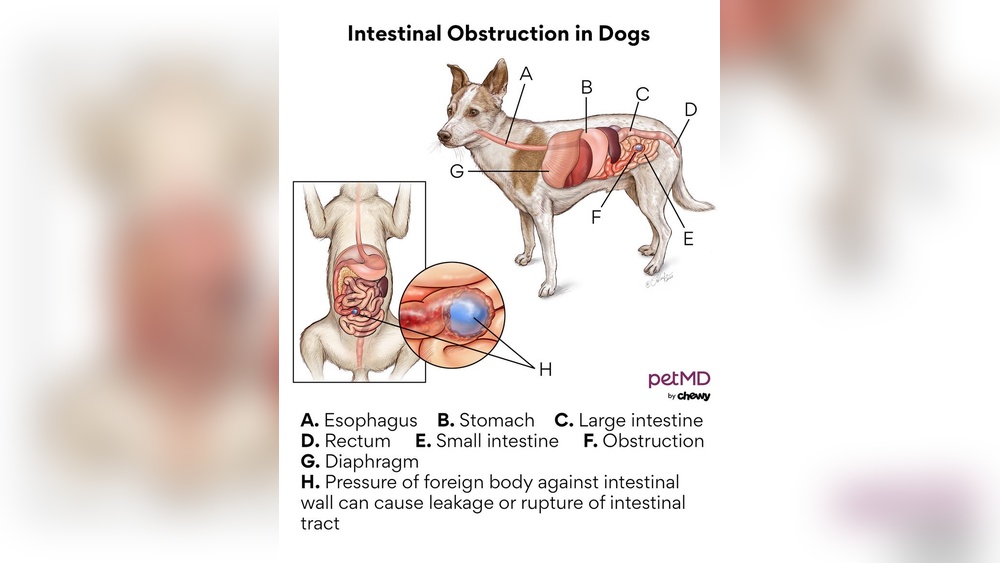
Is your dog acting differently than usual? Maybe they’re vomiting, refusing to eat, or seem uncomfortable in their belly.
These could be signs of an intestinal blockage—a serious problem that needs your immediate attention. Knowing how to spot this condition early can save your dog from pain and even life-threatening complications. You’ll learn the key signs to watch for, what causes intestinal blockages, and when you need to get your furry friend to the vet right away.
Keep reading to protect your dog and make sure they stay healthy and happy.
Signs Of Intestinal Blockage
Recognizing the signs of an intestinal blockage in dogs is crucial. Blockages can be life-threatening if not treated quickly. Early detection helps prevent serious complications. Watch for changes in your dog’s usual behavior and physical condition. Below are common signs to observe closely.
Vomiting Patterns
Repeated vomiting is a key sign of blockage. Vomiting may happen soon after eating or drinking. Your dog might bring up food or bile. Vomiting often does not stop without treatment.
Changes In Appetite
A sudden loss of interest in food or water is alarming. Dogs with blockages often refuse to eat. Appetite loss may worsen as the blockage persists. This can lead to weakness and other health issues.
Abdominal Discomfort
Your dog’s belly might look swollen or feel hard. They may whine or groan when touched. Some dogs show a “praying” position to ease pain. This means front legs down, rear raised.
Behavioral Shifts
Lethargy and restlessness are common. Your dog may hide or avoid movement. Weakness and unusual quietness can indicate pain or distress. These shifts need attention from a vet.
Bowel Movement Issues
Blocked intestines often cause constipation or diarrhea. Your dog may strain to poop or pass only small amounts. In some cases, no bowel movement occurs. Monitor your dog’s bathroom habits carefully.
Drooling And Burping
Excessive drooling or burping can happen. These symptoms result from nausea or digestive upset. Watch for these signs along with vomiting or loss of appetite.
Dehydration Indicators
Dehydration sets in quickly without fluids. Check your dog’s gums—they may look pale. Skin may stay “tented” when gently pinched. Dry nose and sunken eyes also signal dehydration.
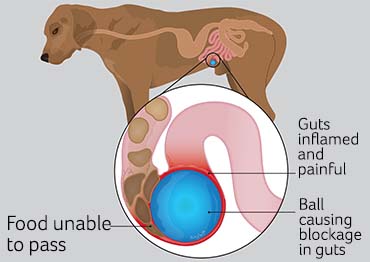
Credit: www.pdsa.org.uk
Common Causes
Intestinal blockage in dogs can arise from several common causes. These blockages prevent food or fluids from passing through the intestines properly. Recognizing these causes helps in early detection and treatment. Understanding each cause clarifies what might be happening inside your dog’s digestive system.
Ingested Foreign Objects
Dogs often swallow things they should not. Toys, bones, socks, and strings are frequent culprits. These objects can get stuck in the intestines, causing a blockage. Small dogs and puppies are especially at risk. Immediate vet care is necessary to remove these objects safely.
Intestinal Masses And Tumors
Masses or tumors inside the intestines can also block passage. These growths often develop slowly and may cause symptoms over time. Older dogs are more prone to intestinal tumors. Vets use imaging tools to detect these masses and plan treatment.
Intussusception And Twisting
Intussusception happens when part of the intestine slides into an adjacent section. Twisting refers to the intestine rotating on itself. Both conditions block the intestine and cut off blood flow. These are serious emergencies requiring fast veterinary intervention.
When To Get Help
Knowing when to get help is vital if your dog shows signs of intestinal blockage. This condition can worsen quickly and needs prompt attention. Acting fast can save your dog’s life and reduce complications. Watch your dog closely and trust your instincts.
Emergency Symptoms
Some symptoms mean immediate help is needed. Persistent vomiting that does not stop is an emergency. Severe abdominal pain or swelling also needs quick care. If your dog cannot poop or shows extreme lethargy, act fast. Pale gums and dehydration are serious signs. These symptoms require urgent veterinary attention.
Veterinary Diagnosis
Your vet will check your dog’s symptoms and perform exams. X-rays or ultrasound scans help find blockages inside the intestines. Blood tests may check for infection or dehydration. Early diagnosis helps prevent complications like intestinal rupture. The vet may ask about your dog’s recent behavior and eating habits.
Treatment Options
Treatment depends on the blockage’s size and location. Mild cases might clear with fluids and rest. Surgery is often needed to remove the blockage. Your dog may receive medication for pain and infection. After treatment, close monitoring ensures full recovery. Follow your vet’s advice to keep your dog safe.
Credit: www.whole-dog-journal.com
Preventing Blockages
Preventing intestinal blockages in dogs is crucial for their health and comfort. Blockages can cause serious illness and require emergency care. Taking steps to avoid blockages helps keep your dog safe and happy. Simple habits and care routines make a big difference.
Safe Chewing Habits
Provide safe chew toys made for dogs. Avoid giving small objects that can break apart easily. Remove items like socks, small balls, and bones from your dog’s reach. Teach your dog to chew only on approved items. Supervise your dog during chew time to stop dangerous chewing quickly.
Monitoring Playtime
Watch your dog closely during play. Keep an eye on what they pick up or try to swallow. Discourage chewing on sticks, stones, or trash. Use durable toys that cannot be swallowed. Play in a clean, safe area free of small objects that may cause harm.
Diet And Feeding Tips
Feed your dog a balanced diet suited to their size and age. Avoid giving table scraps or non-food items. Use slow feeder bowls if your dog eats too fast. Provide fresh water at all times to help digestion. Regular feeding times help maintain a healthy digestive system.
Recovery And Care
Recovery and care play a vital role after treating an intestinal blockage in dogs. Proper attention helps your dog heal faster and prevents further problems. This phase requires patience and close observation. You must follow your veterinarian’s instructions carefully to ensure a smooth recovery.
Post-treatment Monitoring
Watch your dog closely after treatment. Check for any changes in behavior or appetite. Monitor their bowel movements and vomiting. Keep an eye on their energy levels and hydration. Report any unusual signs to your vet immediately. Regular vet check-ups may be needed to track recovery progress. Avoid any strenuous activity until your vet clears it.
Diet Adjustments
Your vet will likely recommend a special diet. Soft, easily digestible food helps your dog’s intestines heal. Avoid giving treats or table scraps during this time. Gradually reintroduce regular food as advised. Feed smaller meals more often to reduce strain on the digestive system. Always provide fresh water to keep your dog hydrated. Stick to the diet plan to prevent another blockage.
Signs Of Complications
Be alert for signs that may indicate complications. These include persistent vomiting, diarrhea, or lack of appetite. Abdominal swelling or pain can signal a problem. Lethargy and weakness might mean the blockage is not fully resolved. Difficulty breathing or pale gums require immediate vet attention. Early detection of complications improves treatment success. Don’t hesitate to contact your vet with concerns.
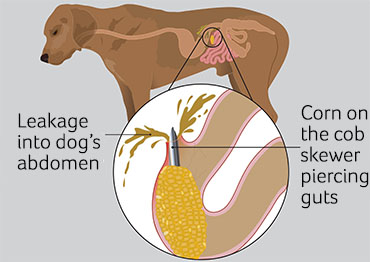
Credit: www.pdsa.org.uk
Frequently Asked Questions
How Can I Tell If My Dog Has A Blockage In His Intestines?
Watch for persistent vomiting, loss of appetite, abdominal pain or bloating, constipation or diarrhea, lethargy, and dehydration. These signs may indicate an intestinal blockage in your dog. Seek veterinary care immediately if symptoms appear.
What Is The 3 6 9 Rule For Bowel Obstruction?
The 3-6-9 rule for bowel obstruction guides timing for surgery: 3 hours for stomach, 6 hours for small intestine, 9 hours for colon obstruction.
Can A Dog Naturally Pass An Intestinal Blockage?
A dog rarely passes an intestinal blockage naturally. Most blockages require immediate veterinary treatment to avoid serious complications.
Will My Dog Still Poop With A Bowel Obstruction?
A dog with a bowel obstruction may strain to poop or pass small amounts of diarrhea. Complete blockage often stops all bowel movements.
Conclusion
Recognizing intestinal blockage signs in dogs is vital for their health. Watch for vomiting, loss of appetite, and abdominal swelling. Notice changes in behavior or trouble with bowel movements. Quick action can prevent serious complications or death. Contact your veterinarian immediately if symptoms appear.
Early care improves your dog’s chance to recover fully. Stay alert and protect your furry friend’s well-being every day.