
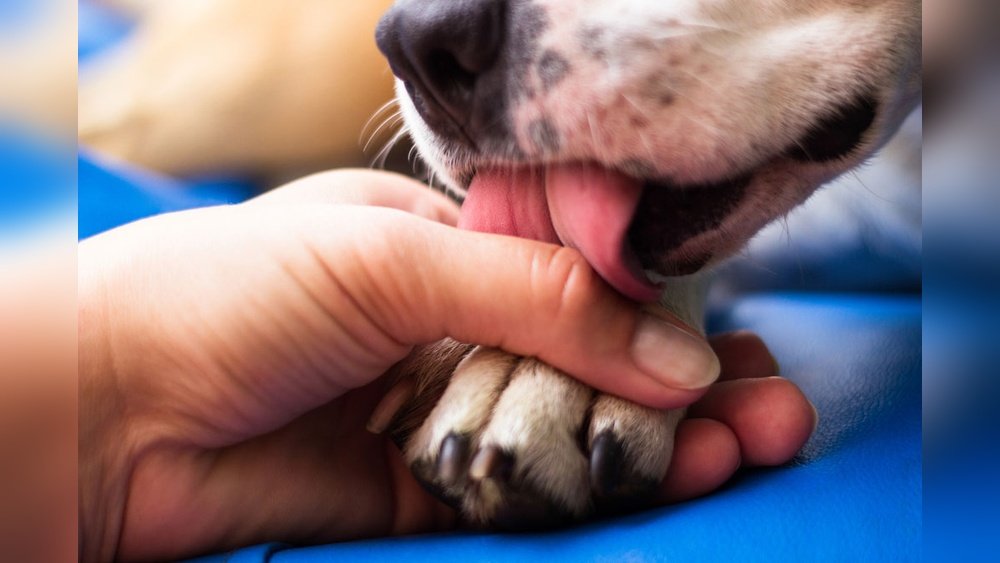
If your dog keeps chewing their paws, you’re not alone—and it can be frustrating to watch. Paw chewing isn’t just a bad habit; it often signals discomfort, irritation, or even stress.
If you want to help your furry friend feel better and stop this behavior for good, you need clear, simple steps that really work. You’ll learn how to check your dog’s paws for hidden problems, protect those sensitive feet, and tackle the root causes behind the chewing.
Keep reading, because your dog’s comfort and happiness depend on it.

Credit: www.isigny-sur-mer.fr
Check And Protect The Paws
Checking and protecting your dog’s paws is a key step to stop chewing. Dogs often chew their paws due to irritation or injury. Regular care helps prevent problems and reduces chewing urges. Healthy paws mean less discomfort and less need to chew.
Inspect For Cuts And Irritants
Look closely at your dog’s paws every day. Check between the toes and pads for cuts, swelling, or redness. Remove any dirt, burrs, or small stones stuck in the fur. Sharp objects or irritants can cause pain and lead to chewing. Watch for signs of infection like pus or bad smell. Early detection helps stop problems from worsening.
Use Physical Barriers
Physical barriers keep your dog from chewing paws while healing. Use an Elizabethan collar (E-collar) or inflatable collar to block access. Soft booties or clean socks can protect paws outside. Make sure barriers fit well but are not too tight. These tools give paws time to heal and reduce chewing behavior.
Clean And Dry Paws Regularly
Clean paws after walks or outdoor play to remove dirt and allergens. Use warm water and mild pet shampoo. Dry paws thoroughly with a towel, especially between the toes. Moisture can cause irritation and infections. Regular cleaning keeps paws healthy and less tempting to chew.
Identify Underlying Causes
Understanding why your dog chews its paws is key to stopping the behavior. The chewing often points to an underlying problem. Finding the root cause helps you choose the right solution. Examine your dog carefully and observe changes in behavior or skin condition. This section covers common causes such as allergies, infections, and anxiety.
Allergies And Environmental Factors
Allergies often cause itching and discomfort in dogs’ paws. Pollen, grass, or dust can trigger reactions. Food allergies may also cause paw chewing. Watch for redness, swelling, or rash between toes. Keep your dog’s paws clean after walks. Changing their diet or avoiding certain areas might help reduce symptoms.
Infections And Injuries
Injuries like cuts or thorns can cause pain and chewing. Infections from bacteria or yeast also lead to irritation. Check for wounds, swelling, or unusual smells. Infected paws may become hot or tender. A vet can diagnose infections and suggest proper treatment. Early care prevents worsening and helps your dog heal faster.
Anxiety And Behavioral Issues
Some dogs chew paws out of stress or boredom. Anxiety from loud noises or separation can trigger this behavior. Observe when your dog chews most often. Providing toys and exercise helps reduce stress. Training and calming techniques also support better behavior. If anxiety is severe, consult a veterinarian for advice.
Treating Allergies And Infections
Allergies and infections often cause dogs to chew their paws. Treating these issues can reduce discomfort and stop the chewing habit. Identifying the cause helps select the right treatment. Regular care with proper products keeps paws healthy and clean.
Medicated Shampoos And Wipes
Medicated shampoos target bacteria, fungi, and allergens on the skin. Use shampoos designed for dogs with sensitive skin or allergies. Wipes help clean paws after walks, removing irritants like pollen or dirt. Regular use soothes itching and reduces inflammation. Always follow label instructions for best results.
Veterinary Prescribed Medications
Veterinarians may prescribe antibiotics or antifungal drugs for infections. Allergy medications, like antihistamines, can reduce itching and swelling. In severe cases, steroids help control inflammation quickly. Only use medications prescribed by a vet. Monitor your dog for side effects during treatment.
Home Remedies That Help
Simple home remedies can support healing and comfort. Soaking paws in a warm oatmeal bath calms irritated skin. Applying coconut oil moisturizes and has natural antifungal properties. Keep paws dry and clean to prevent infection. Avoid harsh chemicals or products not made for pets.

Credit: www.isigny-sur-mer.fr
Managing Anxiety And Stress
Dogs often chew their paws due to anxiety and stress. Managing these feelings can reduce this behavior. Stress affects dogs just like people. It can come from changes, loud noises, or being alone. Helping your dog feel calm lowers the chance of paw chewing.
Behavioral Training Techniques
Training helps your dog learn better habits. Redirect paw chewing with toys or treats. Reward your dog for calm behavior. Teach commands like “leave it” or “no.” Use positive reinforcement only. Avoid punishment as it raises stress. Consistency is key for lasting results.
Calming Products And Supplements
Some products soothe anxious dogs. Calming collars release relaxing scents. Supplements like CBD or chamomile can help. Speak to your vet before using supplements. Use products as part of a broader plan. They support, but do not replace training.
Creating A Comfortable Environment
Make your dog’s space peaceful and safe. Provide a cozy bed in a quiet spot. Use soft lighting and reduce loud noises. Offer chew toys to keep paws busy. Regular exercise lowers stress levels. A calm environment helps prevent paw chewing.
Preventing Future Paw Chewing
Preventing future paw chewing is key to keeping your dog comfortable and healthy. Chewing can cause wounds, infections, and pain. Stopping this habit requires consistent care and attention. Establishing good routines helps reduce the urge to chew. Focus on maintaining clean paws, providing enough exercise, and feeding a balanced diet. These steps keep your dog happy and less likely to chew their paws.
Regular Paw Maintenance
Check your dog’s paws often for dirt, cuts, or irritation. Clean paws with a gentle wipe after walks. Trim nails carefully to avoid pain or injury. Keep fur between toes short to prevent matting. Regular care helps spot problems early. Healthy paws discourage your dog from chewing.
Proper Exercise And Engagement
Give your dog daily exercise to reduce stress and boredom. Walks, playtime, and training keep your dog busy and tired. Mental games and toys also help redirect chewing urges. A tired dog is less likely to chew paws out of anxiety or boredom. Engage your dog often to support good behavior.
Monitor And Adjust Diet
Provide a balanced diet with quality ingredients. Some dogs chew paws due to allergies or nutrient deficiencies. Watch for signs of food allergies like itching or swelling. Talk to your vet about diet changes if paw chewing continues. A healthy diet supports skin and coat health, reducing paw irritation.

Credit: www.kohaisushi.pl
Frequently Asked Questions
Will Benadryl Help My Dog Stop Licking His Paws?
Benadryl may reduce itching if allergies cause paw licking. Consult your vet before giving any medication to your dog.
What Medication Can I Give My Dog To Stop Licking His Paws?
Consult a veterinarian before giving any medication. Common treatments include antihistamines, antibiotics, or antifungal drugs for allergies or infections. Topical creams or medicated shampoos can also help reduce itching and licking. Avoid self-medicating to ensure safe and effective care.
Does Honey Help Dogs Stop Licking Their Paws?
Honey may soothe minor paw irritations but does not stop dogs from licking their paws. Consult a vet for underlying issues.
What Can I Put On My Dog’s Paw To Keep Her From Licking It?
Apply a bitter-tasting spray or pet-safe anti-lick balm to deter licking. Use a protective cone or sock to block access. Keep paws clean and dry. Consult a vet to address underlying causes like allergies or infections.
Conclusion
Stopping your dog from chewing its paws takes patience and care. Check paws often for signs of injury or irritation. Use protective gear like cones or socks to prevent damage. Keep paws clean and dry after walks to reduce allergens.
Visit a vet to find and treat any health issues. Consistent care helps your dog feel better and stop chewing. Small steps make a big difference in your dog’s comfort and health.