
Is your dog constantly licking their paws, leaving you worried and unsure what to do? Excessive paw licking can be a sign of discomfort, allergies, or even infections.
The good news is, you don’t always need expensive treatments or vet visits to help soothe your furry friend. Using a simple home remedy like vinegar might be the key to calming your dog’s itchy paws and stopping the licking habit before it worsens.
You’ll learn why vinegar works, how to use it safely, and other easy steps you can take at home to protect your dog’s paws. Keep reading to discover effective, natural ways to help your dog feel better—and put an end to that paw-licking for good.
Check Paw Condition
Before using vinegar as a home remedy, check your dog’s paw condition carefully. Examining the paws helps find any issues causing the licking. Catching problems early can prevent infections and discomfort. Here is how to check your dog’s paws step-by-step.
Inspect For Injuries
Gently hold your dog’s paw and look for cuts or scrapes. Check between the toes and on the pads for sharp objects. Small thorns or glass pieces can cause pain and licking. If you find any injury, clean it with mild soap and water. Avoid vinegar if the skin is broken or bleeding.
Look For Redness And Swelling
Observe the paw for redness or puffiness. Redness may mean irritation or allergies. Swelling shows inflammation and possible injury. Compare both paws to spot differences. If you see redness or swelling, avoid harsh treatments. Use a gentle approach to soothe your dog’s paws.
Identify Signs Of Infection
Check for pus, bad smell, or warm spots on the paw. These are signs of infection needing a vet’s care. Infections can worsen if treated only at home. Watch for your dog’s discomfort or limping. Early vet visits help stop infections from spreading. Do not use vinegar on infected areas.

Credit: www.wikihow.com
Why Vinegar Works
Vinegar has long been a popular home remedy to help stop dogs from licking their paws. Its effectiveness lies in several key properties that address common causes of paw licking. Vinegar helps reduce infections, soothes irritation, and discourages dogs from continuing the behavior.
Antimicrobial Properties
Vinegar contains natural acids that fight bacteria. These acids help kill germs on the dog’s paws. This reduces the risk of infections that cause itching. Keeping the paws clean limits the need for your dog to lick.
Antifungal Benefits
Yeast and fungi often cause paw irritation. Vinegar’s acidic nature creates an environment where fungi cannot thrive. Applying diluted vinegar can ease fungal infections. It helps soothe redness and swelling caused by yeast.
Discouraging Licking With Taste
The sour taste of vinegar is unpleasant for dogs. When applied lightly, it discourages licking by making the paws taste bitter. This simple deterrent helps break the licking habit. Dogs soon learn to avoid licking their paws after vinegar use.
Preparing Vinegar Solution
Preparing a vinegar solution is a simple and effective step to help stop your dog from licking their paws. This remedy uses natural ingredients that can soothe irritation and fight bacteria. Proper preparation ensures the solution is safe and gentle for your pet’s skin. Follow these guidelines to create the right vinegar mix for your dog.
Choosing The Right Vinegar
Apple cider vinegar is the best choice for this remedy. It has natural antifungal and antibacterial properties. White vinegar can be too harsh and may irritate your dog’s skin. Always pick raw, unfiltered apple cider vinegar with the “mother” for the best results.
Dilution Ratios
Never apply vinegar undiluted. Mix one part vinegar with three parts water. This creates a mild solution that is safe for your dog’s paws. For sensitive skin, use one part vinegar to four parts water. Use a spray bottle or a clean cloth to apply the solution gently.
Safety Precautions
Check your dog’s paws before applying the solution. Do not use vinegar if the skin is raw, cracked, or bleeding. Always avoid the eyes and mouth areas. After applying, dry the paws completely to prevent moisture buildup. Stop use if your dog shows signs of discomfort or irritation.

Credit: www.wikihow.com
Applying Vinegar Remedy
Applying a vinegar remedy to your dog’s paws can help reduce licking caused by irritation. This simple treatment uses vinegar’s natural properties to soothe the skin and discourage licking. Proper application is key to seeing results and keeping your dog comfortable.
Cleaning The Paws
Start by gently washing your dog’s paws with warm water. Remove dirt, pollen, and allergens that may cause itching. Avoid harsh soaps that can dry out the skin. Use a soft cloth or sponge to clean between the toes carefully.
Drying Thoroughly
After cleaning, dry the paws completely with a clean towel. Moisture trapped between the toes can lead to fungal growth and worsen irritation. Make sure to pat gently and check that no damp spots remain before applying vinegar.
Frequency Of Application
Apply the vinegar solution once or twice a day for best results. Use a mixture of equal parts water and apple cider vinegar. Soak a cotton ball in the solution and gently wipe the affected areas. Avoid overuse, as too much vinegar can irritate the skin.
Additional Home Remedies
Several home remedies can help soothe your dog’s irritated paws and reduce licking. These options use natural ingredients safe for pets and can bring relief quickly. Try these simple treatments to calm your dog’s discomfort and protect their paws.
Oatmeal Soaks
Oatmeal soaks help relieve itching and inflammation. Use plain, unflavored oatmeal ground into a fine powder. Mix it with warm water to form a paste or soak your dog’s paws in a bowl of this mixture for 10-15 minutes. Oatmeal contains compounds that calm irritated skin and reduce redness. Pat the paws dry gently afterward to avoid moisture buildup.
Epsom Salt Baths
Epsom salt baths can reduce swelling and clean minor wounds. Dissolve a small amount of Epsom salt in warm water. Soak your dog’s paws for about 5-10 minutes. This treatment helps draw out toxins and soothes soreness. Make sure to dry the paws completely after the bath to prevent fungal growth.
Olive Oil Application
Olive oil can moisturize dry, cracked paw pads. Apply a thin layer of extra virgin olive oil directly to the paws. The oil nourishes the skin and creates a protective barrier against irritants. Massage gently to improve absorption. Use this remedy once or twice daily for best results.
Preventing Paw Licking
Preventing paw licking is important to keep your dog’s paws healthy and comfortable. Constant licking can cause irritation, redness, and even infections. There are simple steps you can take at home to reduce or stop this behavior. These methods focus on cleaning, protection, and addressing underlying causes like allergies or anxiety. Consistency and patience are key for success.
Wiping Paws After Walks
Clean your dog’s paws after every walk. Use a damp cloth or pet-safe wipes to remove dirt and allergens. This prevents irritants like pollen and chemicals from causing itching. Make sure to dry the paws well after wiping. This step helps reduce the urge to lick and keeps paws fresh.
Using Dog Booties
Dog booties provide a physical barrier to protect paws. They keep out dirt, salt, and other irritants during walks. Booties also stop your dog from licking or chewing sore areas. Choose soft, comfortable booties that fit well. Use them especially when your dog’s paws are healing or very sensitive.
Managing Allergies And Anxiety
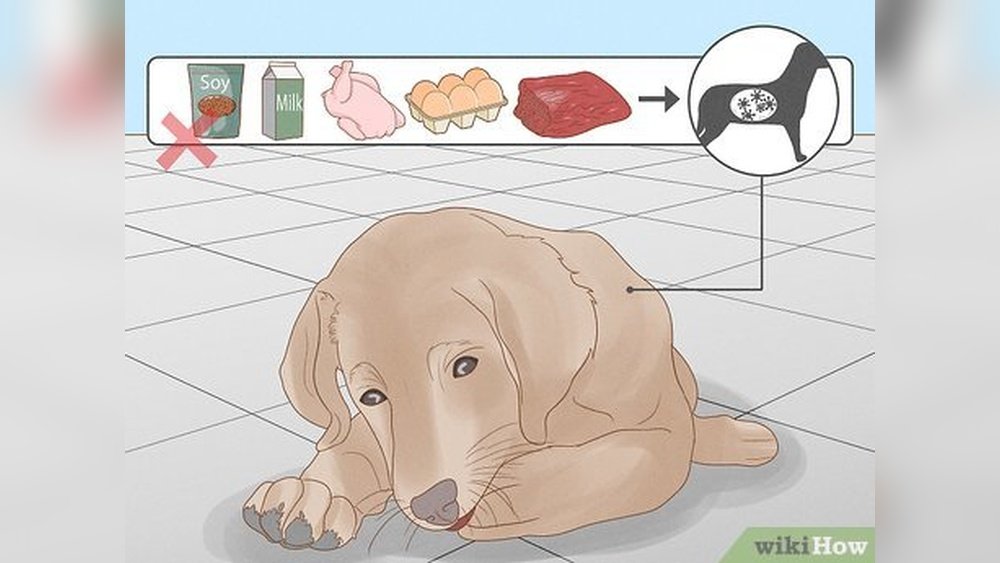
Allergies often cause paw licking. Identify and avoid allergens like certain foods or grass. Talk to your vet about allergy tests or treatments. Anxiety can also lead to licking as a self-soothing habit. Provide toys, exercise, and calm environments to reduce stress. Consult your vet if anxiety is severe or ongoing.
Diet And Skin Health
Healthy skin plays a big role in stopping dogs from licking their paws. Diet affects skin condition and fur quality. Proper nutrition supports the skin’s natural barrier. This helps reduce irritation and itching that cause licking. Simple changes in diet can improve skin health and comfort for your dog.
Improving Nutrition
Feed your dog a balanced diet with high-quality protein. Proteins build strong skin and fur. Include omega-3 and omega-6 fatty acids from fish oil or flaxseed. These fats reduce inflammation and promote healthy skin. Avoid foods with fillers or artificial additives. Fresh vegetables and fruits add vitamins and antioxidants. Vitamins A and E are especially good for skin repair.
Supplements For Skin
Supplements can boost skin health alongside diet. Fish oil capsules provide omega-3 fatty acids to reduce itching. Probiotics support digestion and immune function, which affect skin condition. Zinc and biotin are important for skin repair and growth. Always check with your vet before adding supplements. Proper doses keep your dog safe and healthy.
Hydration Importance
Water keeps skin soft and less prone to irritation. Dehydrated skin becomes dry and itchy, causing more licking. Make fresh water available all day. Some dogs prefer running water from a fountain. Wet food also adds moisture to their diet. Proper hydration supports overall health and skin comfort.
When To See A Vet
Knowing when to see a vet is key for your dog’s paw health. Some paw licking problems need professional care. Home remedies like vinegar can help mild cases. Some signs show that a vet visit is needed right away. Early care can stop issues from getting worse. Watch your dog closely for these signs.
Persistent Symptoms
Watch for licking that lasts more than a week. Home remedies should help within a few days. If licking stays or gets worse, see a vet. Persistent symptoms may mean allergies or deeper problems. Your dog might need medicine or special treatment.
Severe Irritation Or Bleeding
Check the paws for red, raw, or broken skin. Bleeding is a clear sign that your dog needs help. Severe irritation can cause pain and infection. Avoid using vinegar on open wounds or bleeding areas. A vet can clean and treat the paws safely.
Signs Of Serious Infection
Look for swelling, pus, or a bad smell from the paws. These signs show infection that home remedies cannot fix. Your dog may also limp or lick the paw more. A vet can prescribe antibiotics to fight infections. Early treatment stops infections from spreading.
Credit: lolahemp.com
Frequently Asked Questions
Is Apple Cider Vinegar Good For Itchy Paws On Dogs?
Apple cider vinegar helps soothe itchy paws by fighting yeast and bacteria with its natural antifungal properties. Avoid use on raw or bleeding skin. Always dry paws completely after application to prevent moisture buildup. The vinegar’s sour taste also discourages licking, aiding in relief and healing.
What’s A Good Home Remedy For Dogs Licking Their Paws?
A good home remedy for dogs licking paws is an apple cider vinegar rinse. Dilute with water (50/50), apply gently, and dry thoroughly. It helps fight yeast and bacteria, reducing itchiness and discouraging licking due to its sour taste. Always check paws for wounds before use.
What To Spray On Dog’s Paws To Stop Licking?
Spray diluted apple cider vinegar (50/50 with water) on your dog’s paws to deter licking. Avoid if skin is raw or irritated.
Can Baking Soda Be Used As A Home Remedy To Stop A Dog From Licking Their Paws?
Baking soda can soothe itchy paws but avoid use on raw, cracked, or bleeding skin. Always dry paws thoroughly after application. Consult a vet if licking persists or worsens.
Conclusion
Stopping your dog from licking paws can improve their comfort and health. Vinegar offers a simple, natural way to ease itching and fight germs. Always check paws first to avoid hurting sensitive skin. Use vinegar carefully and dry paws well afterward.
Combine this remedy with good hygiene and attention to your dog’s overall needs. Watch for signs like redness or swelling to decide if a vet visit is necessary. With patience and care, you can help your dog feel better and reduce paw licking at home.