
Your dog’s paw starts bleeding—what do you do next? Seeing your furry friend hurt can be scary, but staying calm and knowing the right steps can make all the difference.
Whether it’s a small cut, a torn nail, or something stuck in their paw, you need quick and simple ways to stop the bleeding and help your dog feel better fast. In this guide, you’ll learn easy, effective first aid tips you can use right away.
Keep reading to find out how to handle your dog’s bleeding paw safely, when to treat it at home, and when it’s time to see a vet. Don’t let a paw injury catch you off guard—be ready to protect your best friend.
Assess The Injury
Assessing your dog’s paw injury is the first step to stop bleeding effectively. Careful observation helps decide what to do next. A calm approach prevents more harm or stress. This section guides you through checking the injury with simple steps.
Locate The Bleeding Spot
Find exactly where the blood is coming from. Look between toes, pads, or nails. Clean the area gently to see the wound clearly. Use a soft cloth or warm water. Avoid touching the injury too much.
Check For Foreign Objects
Look for anything stuck inside the paw. Small stones, glass, or dirt can cause bleeding. Use tweezers carefully if you see something. Do not dig too deep or force it out. If unsure, wait for a vet’s help.
Determine The Severity
See how bad the cut or tear is. Small scrapes may stop bleeding on their own. Deep cuts or heavy bleeding need urgent care. Check if the paw is swollen or if your dog limps. These signs show the injury needs professional help.

Credit: www.dailypaws.com
Stop The Bleeding
Stopping a dog’s paw from bleeding quickly is crucial. Acting fast helps prevent infection and further injury. Use simple steps to control the bleeding and keep your dog calm. Clean tools and gentle care make a big difference.
Apply Direct Pressure
Hold a clean cloth or gauze pad firmly on the cut. Press down gently but firmly to slow the bleeding. Avoid lifting the cloth too often. This lets the blood clot form and stops more bleeding. If blood soaks through, add another layer without removing the first.
Use Styptic Powder Or Alternatives
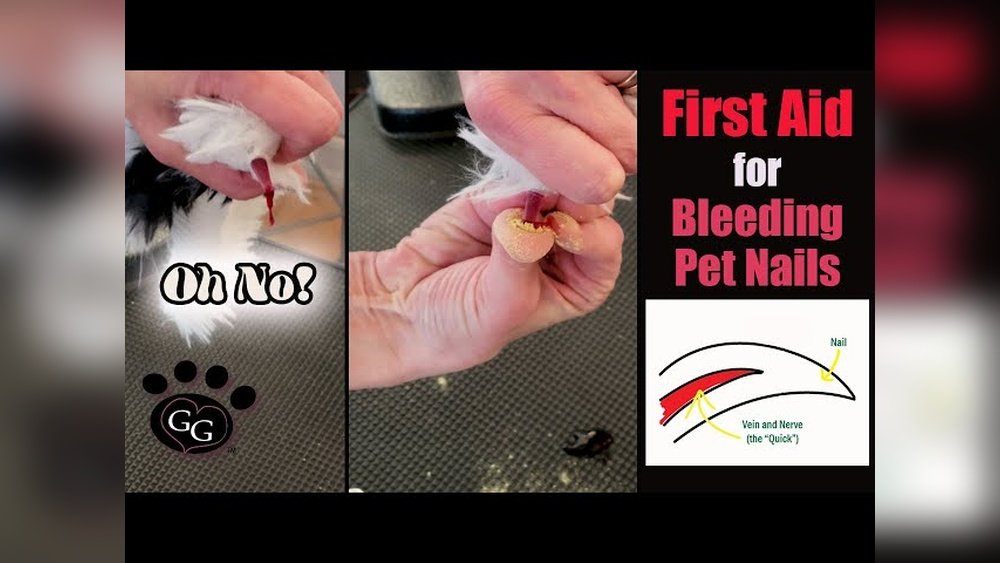
Styptic powder helps stop bleeding fast, especially from broken nails. Press a small amount on the bleeding spot. Use light pressure until the bleeding stops. If you don’t have styptic powder, cornstarch or plain flour work well. Apply them the same way to help clot the blood.
Elevate The Paw
Raising the injured paw above heart level slows blood flow. This helps reduce bleeding. Hold the paw gently or place it on a raised surface. Keep your dog calm to avoid more injury. Elevation works best combined with direct pressure and styptic powder.
Clean The Wound
After stopping your dog’s paw from bleeding, keep a close eye on the healing process. Monitoring healing helps avoid complications. It ensures your dog recovers well and quickly. Small wounds can worsen if not cared for properly. Watch your dog’s paw daily for changes. Take action if you notice any problems.
Watch For Signs Of Infection
Check the paw for redness or swelling. Look for pus or a bad smell. Your dog may lick or bite the paw more often. These signs mean infection might be present. Infections need quick treatment to prevent spreading. Call your vet if you see any signs of infection.
Change Bandages Regularly
Keep the wound clean and dry by changing bandages daily. Use fresh, sterile materials each time. Wet or dirty bandages can cause infection. Make sure the bandage is snug but not too tight. This helps blood flow and speeds healing. Watch your dog not to chew or pull off the bandage.
Limit Your Dog’s Activity
Reduce running, jumping, and walking on hard surfaces. Too much activity can reopen the wound or cause bleeding. Provide a calm, safe space for rest. Short leash walks are best until the paw heals. Protect the paw from dirt and rough terrain during recovery.

Credit: www.youtube.com
Protect The Paw
Preventing paw injuries is the best way to keep your dog happy and healthy. Paw wounds can be painful and cause bleeding, making walks and playtime uncomfortable. Taking simple steps can reduce the risk of cuts, scrapes, and other damage to your dog’s paws. Careful attention and a bit of preparation help protect your furry friend’s paws from harm.
Regular Paw Inspections
Check your dog’s paws often for any signs of injury. Look for cuts, swelling, or foreign objects stuck between toes. Early detection helps stop small problems from getting worse. Clean paws after walks to remove dirt and debris. This keeps the skin healthy and reduces infection risk.
Use Protective Booties
Dog booties shield paws from rough surfaces and hot pavement. They provide a barrier against sharp rocks, glass, and chemicals. Choose booties that fit well and are comfortable for your dog. Use them on walks through unfamiliar or harsh terrain to prevent cuts and burns.
Avoid Hazardous Areas
Stay away from places with broken glass, sharp stones, or thorny plants. Avoid walking on salted roads or sidewalks during winter, as salt can irritate paws. Choose grassy or dirt paths for walking to reduce injury chances. Always watch your dog closely to keep them safe from harm.

Credit: rrruffhouse.com
Frequently Asked Questions
Will A Cut On A Dog’s Paw Heal On Its Own?
A minor cut on a dog’s paw may heal on its own with proper cleaning and care. Deep or bleeding wounds need veterinary attention.
Can I Put Neosporin On My Dog’s Paw Wound?
Yes, you can apply a small amount of Neosporin on your dog’s paw wound. Avoid letting your dog lick it off. Consult a vet if the wound worsens or shows infection signs.
Will A Dog’s Bleeding Nail Heal On Its Own?
A dog’s bleeding nail may heal on its own if the bleeding stops quickly and the wound is minor. Clean and apply pressure. Seek vet care for deep cuts or ongoing bleeding.
How Should I Treat A Raw Dog Paw Pad?
Clean the raw paw pad gently with warm, soapy water. Apply an antibiotic ointment. Cover with a non-stick bandage. Change daily and keep dry. Seek veterinary care if it worsens or bleeds heavily.
Conclusion
Stopping your dog’s paw from bleeding takes calm and quick action. Apply firm pressure using a clean cloth to help clot formation. Avoid removing the cloth repeatedly, as this can slow healing. Use corn starch or styptic powder for bleeding nails to stop blood flow.
Keep the paw clean and bandaged if needed, protecting it from dirt. Watch closely for signs of infection or deep wounds that require a vet’s care. Acting fast helps your dog heal comfortably and safely. Your careful care makes all the difference.