
Have you ever looked closely at your dog’s paws and wondered, “How many paws do dogs actually have?” It might seem like a simple question, but there’s more to your furry friend’s feet than meets the eye. Understanding the number of paws and the unique features they have can help you care for your dog better.
From the number of toes to special claws you might not even notice, your dog’s paws hold some fascinating secrets. Keep reading to discover everything you need to know about your dog’s paws—and why they’re so important to your pup’s health and happiness.
Dog Paw Basics
Dogs’ paws have many unique traits that make them special. These traits help dogs walk, run, and grip surfaces. Some dogs even have extra toes or unusual paw shapes. Understanding these traits shows how diverse dog paws can be.
These special features often depend on the dog’s breed or genetic variations. Some dogs lose a paw but adapt well and live happy lives. Let’s explore some of these unique paw traits in detail.
Polydactyl Dogs And Extra Toes
Polydactyl dogs have more toes than usual. Most dogs have five toes on their front paws and four on their back paws. Polydactyl dogs may have six or more toes on a single paw. This trait is rare but can occur naturally. Extra toes can help with balance and climbing. The Norwegian Lundehund is famous for having six or seven toes per paw. These extra toes give them better grip on rocky surfaces.
Breed-specific Paw Variations
Different dog breeds have different paw shapes and sizes. Some breeds have webbed paws to swim better. The Labrador Retriever, for example, has webbing between its toes. Other breeds, like the Greyhound, have slim, compact paws for speed. Some dogs have thick paw pads for protection in harsh environments. These breed-specific traits help dogs perform their unique tasks well.
Tripawds: Dogs With Three Paws
Tripawds are dogs with only three paws. They may lose a paw due to injury or illness. Many tripawds live normal, active lives without problems. They quickly learn to adjust their balance and movements. Owners often find tripawds to be just as playful and happy. These dogs prove that missing a paw does not stop them from enjoying life.
Paw Anatomy
Proper paw care is vital for your dog’s health and comfort. Healthy paws help dogs walk, run, and play without pain. Regular care prevents infections and injuries. This section shares simple tips to keep your dog’s paws in top shape.
How To Trim Dog Nails Safely
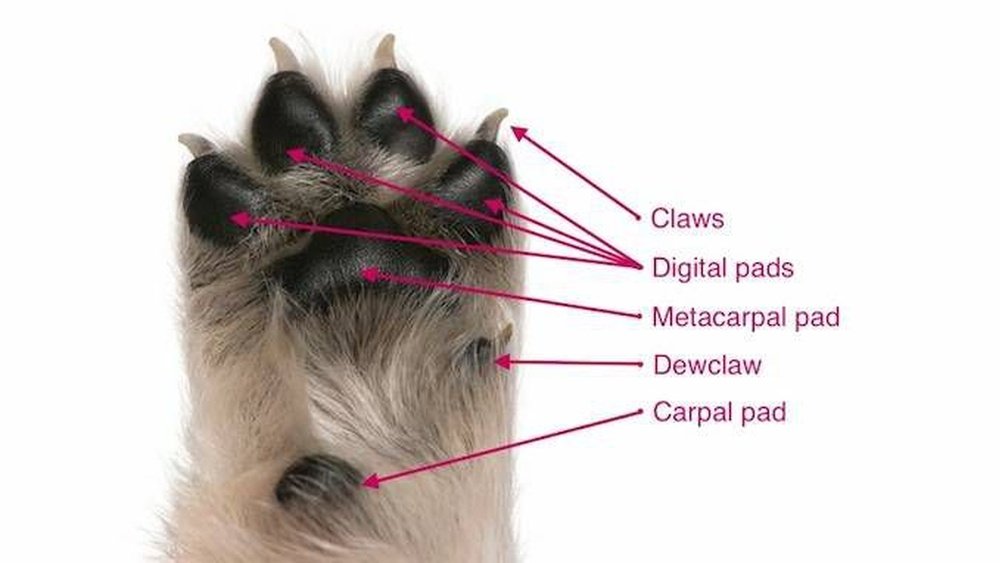
Use a sharp, dog-specific nail clipper. Hold your dog’s paw gently but firmly. Trim small amounts to avoid cutting the quick. The quick is the pink part inside the nail. Avoid it to stop bleeding and pain. If unsure, trim little by little. Use a nail file to smooth rough edges.
Keeping Paw Pads Healthy
Check paws daily for cracks or dryness. Apply a dog-safe balm to keep pads soft. Clean paws after walks to remove dirt and chemicals. Avoid walking on hot pavement or rough surfaces. Use booties in extreme weather for extra protection. Healthy pads prevent sores and discomfort.
Detecting Paw Injuries Early
Look for limping or licking of paws. Check for cuts, swelling, or foreign objects. Redness or bleeding signals a problem. Clean wounds with mild antiseptic. Visit the vet if injury is deep or does not heal. Early care avoids infections and serious damage.
Unique Paw Traits
Dogs’ paws are more than just cute features. They hold secrets about how dogs move, behave, and even communicate. Let’s explore some fun paw facts that might surprise you. These facts reveal why dogs have certain toes, how paws relate to behavior, and why paw prints are unique like fingerprints.
Why Dogs Have Dewclaws
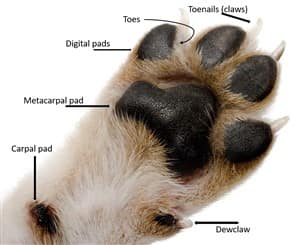
Dewclaws are extra toes found higher on a dog’s front legs. Not all dogs have them on back legs. These toes don’t touch the ground when dogs walk. They help dogs grip objects or climb. Some dogs use dewclaws like thumbs to hold bones or toys. In wild dogs, dewclaws help with balance and running on rough terrain.
Paws And Dog Behavior
Paws show a lot about a dog’s mood. Dogs use their paws to communicate. A dog may paw at you to ask for attention or food. Paws can also show stress or discomfort. Some dogs lick or chew their paws when nervous. Watching paw movements helps owners understand their dog’s feelings better.
Paw Prints As Unique Identifiers
Each dog’s paw print is unique. The patterns of pads and lines differ from dog to dog. Scientists can use paw prints to identify individual dogs. This helps in tracking lost pets or studying wild canines. Paw prints are like a dog’s fingerprint, making them special and personal.

Credit: www.treehugger.com
Credit: www.petchidog.com
Frequently Asked Questions
Do Dogs Have 4 Or 5 Back Toes?
Most dogs have four toes on each back paw. Some breeds, like the Norwegian Lundehund, may have five or more back toes.
Do Dog Paws Have 3 Or 4 Toes?
Most dogs have four toes on each paw that touch the ground. Front paws usually have five toes, including a dewclaw. Some breeds, like the Norwegian Lundehund, may have extra toes.
Do Dogs Have 4 Or 5 Pads?
Dogs typically have five pads on their front paws and four on their back paws. Some breeds may have extra toes.
How Many Fingernails Do Dogs Have?
Dogs usually have 18 nails total: five on each front paw and four on each back paw. Some breeds have extra toes.
Conclusion
Most dogs have four paws, each with toes and nails. Front paws usually have five toes, including a dewclaw. Back paws typically have four toes. Some breeds have extra toes, called polydactyls. Paws help dogs walk, run, and feel the ground.
Knowing about paws helps you care for your dog better. Keep nails trimmed to avoid pain or injury. Watch your dog’s paws for signs of trouble. Healthy paws mean a happy, active dog. Curious to learn more? There’s always more to discover about dog paws.