
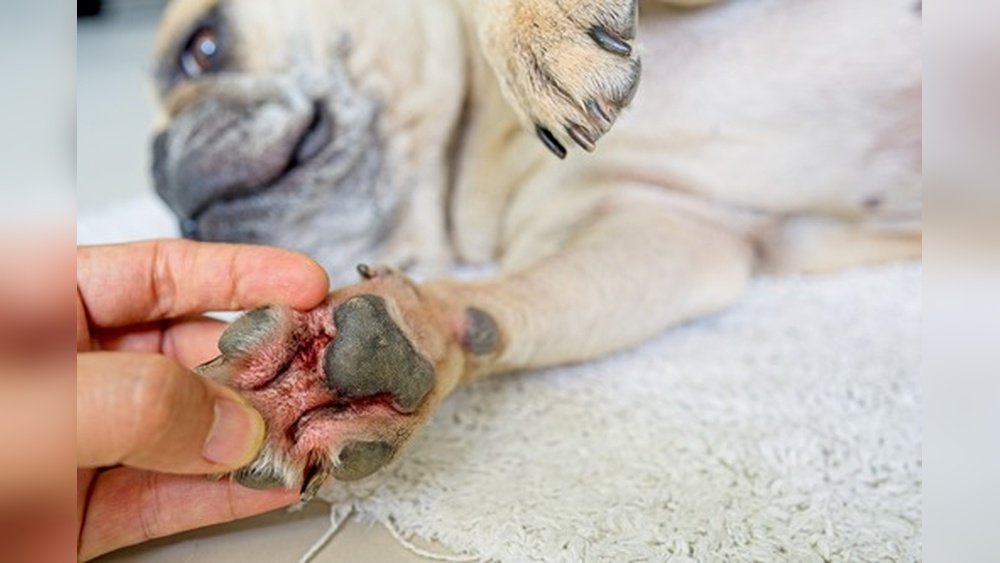
Have you noticed your dog constantly licking or scratching their paws? It might be more than just a habit—it could be a yeast infection causing your furry friend discomfort.
Yeast infections in dogs’ paws happen when a naturally occurring fungus called Malassezia grows out of control. This can make your dog’s paws itchy, red, and irritated. But how exactly does this happen? Understanding the main causes behind these infections can help you protect your dog and bring relief faster.
Keep reading to discover why yeast infections develop in your dog’s paws, what signs to watch for, and simple steps you can take to help your pet feel better.

Credit: arrowheadvets.com
Causes Of Yeast Infections
Yeast infections in a dog’s paws occur when the natural balance of skin fungi is disturbed. Several causes trigger the overgrowth of yeast, leading to irritation and discomfort. Understanding these causes helps in preventing and managing infections effectively.
Role Of Malassezia Fungus
Malassezia is a common fungus living on dog skin. It usually causes no harm. When it multiplies rapidly, infection happens. This fungus thrives in warm, moist environments on the paws.
Allergies And Skin Irritation
Allergies to pollen, food, or grass make skin itchy. Scratching and licking worsen irritation. Inflamed skin allows yeast to grow easily. Allergy-related skin damage is a key factor in infections.
Impact Of Excess Moisture
Wet paws from swimming or rain trap moisture between toes. Dampness creates a perfect place for yeast. Prolonged wetness breaks skin barriers. This encourages yeast to multiply quickly.
Licking And Its Effects
Dogs lick paws to relieve itchiness. Saliva adds warmth and moisture. This moist environment promotes yeast growth. Excessive licking often leads to a continuous infection cycle.
Underlying Health Conditions
Health issues like hormonal imbalances weaken skin defense. A weak immune system cannot control yeast growth. Chronic illnesses increase infection risk. These conditions make yeast infections harder to treat.

Credit: toegrips.com
Symptoms To Watch For
Recognizing the symptoms of a yeast infection in your dog’s paws is key to early care. These infections cause discomfort and can worsen if ignored. Watch closely for signs that show your dog may have a yeast problem. Early detection helps in managing the infection quickly and effectively.
Redness And Inflammation
One of the first signs is redness on the paws. The skin may look swollen and feel warm. Inflammation can make the area tender and sore. This occurs as the body reacts to the yeast overgrowth. Check between the toes and pads for any unusual redness.
Excessive Licking And Scratching
Your dog may lick or scratch the paws more than usual. Licking can soothe itchiness but also spreads moisture. This moisture helps the yeast grow faster. Scratching can cause small wounds that may worsen the infection. Notice if your dog is restless or keeps biting at the paws.
Odor And Discharge
A strong, musty smell often comes from infected paws. This odor is a key sign of yeast buildup. You might also see a yellowish or brown discharge. This discharge can make the fur around the paws sticky or matted. Pay attention to any foul smells or unusual wetness.
Changes In Paw Appearance
The infected paws may show changes in color or texture. The skin can become thickened or cracked. Hair loss around the paws is common. Sometimes the pads look shiny or greasy. These changes signal that the infection is affecting the skin deeply.
Home Care Strategies
Home care plays a key role in managing yeast infections in your dog’s paws. It helps reduce discomfort and stops the infection from worsening. Simple daily habits can make a big difference in your dog’s recovery and comfort.
These strategies focus on cleaning, natural treatments, diet, and preventing moisture. Each step supports your dog’s skin health and helps control yeast growth.
Cleaning And Drying Paws
Clean your dog’s paws gently with warm water after walks. Use a mild, dog-safe cleanser to remove dirt and allergens. Avoid harsh soaps that can irritate the skin further. Dry the paws thoroughly, especially between the toes. Yeast thrives in damp environments. Use a soft towel or a pet dryer on a low setting to keep paws dry.
Natural Remedies
Natural treatments can soothe irritated skin and fight yeast growth. Coconut oil has antifungal properties and can be applied directly to the paws. Apple cider vinegar diluted with water helps restore skin balance. Use a spray or wipe to apply it. Always test a small area first to check for sensitivity. Calendula and aloe vera gels also calm inflammation and support healing.
Dietary Adjustments
A healthy diet strengthens your dog’s immune system. Reduce sugars and carbohydrates, as they can feed yeast growth. Include omega-3 fatty acids from fish oil or flaxseed to support skin health. Probiotics help balance gut bacteria and improve overall immunity. Consult your vet before changing your dog’s diet or adding supplements.
Preventing Moisture Build-up
Keep your dog’s paws dry to prevent yeast infections. Avoid walking your dog in wet grass or muddy areas. After swimming or bathing, dry paws completely. Use dog booties in wet weather to protect paws from moisture. Trim hair around the paws to improve air circulation. Check paws regularly for signs of redness or odor.
When To See A Vet
Knowing when to see a vet is critical for your dog’s health. Yeast infections in paws can start small but worsen quickly. Early vet visits help avoid complications and discomfort for your dog. Some signs need professional care right away. This section explains when to seek veterinary help and what to expect during the visit.
Persistent Or Severe Symptoms
See a vet if symptoms last more than a week. Severe redness, swelling, or pain needs immediate attention. Excessive licking or biting shows the infection is bothering your dog. Bad odor or discharge means the infection may be worsening. Persistent symptoms rarely improve without treatment.
Medicated Treatments
Vets prescribe antifungal creams, shampoos, or oral medicines. These treatments target yeast overgrowth directly. Home remedies might not be strong enough for serious infections. Follow the vet’s instructions carefully for best results. Medication helps control symptoms and prevents recurrence.
Testing For Allergies Or Infections
Sometimes yeast infections result from allergies or other infections. Your vet may run skin tests or take samples from the paw. These tests identify the exact cause of the problem. Treating allergies or bacterial infections helps stop yeast from returning. Accurate diagnosis leads to effective treatment plans.
Managing Chronic Cases
Chronic yeast infections need long-term care and monitoring. Your vet can suggest changes in diet or hygiene routines. Special shampoos or supplements may strengthen skin defenses. Regular check-ups ensure the infection stays under control. Managing chronic cases improves your dog’s comfort and quality of life.
Prevention Tips
Preventing yeast infections in your dog’s paws helps keep them healthy and comfortable. Simple daily steps reduce the chance of yeast overgrowth. These prevention tips focus on maintaining clean, dry, and well-cared-for paws. Strong immune health also plays a key role in stopping infections before they start.
Regular Paw Inspections
Check your dog’s paws daily for redness, swelling, or unusual smells. Early signs of yeast infection include irritation or a musty odor. Look between the toes and pads carefully. Spotting problems early helps stop infections from worsening. Use a gentle wipe or damp cloth to clean paws after walks.
Keeping Paws Dry
Yeast loves warm, moist places. Dry your dog’s paws thoroughly after baths or walks in wet areas. Use a soft towel to remove water from between the toes. Avoid letting your dog walk on wet grass or mud for long periods. Keeping paws dry limits yeast growth and reduces infection risk.
Avoiding Allergens
Allergens like pollen, grass, and certain foods trigger paw irritation. This irritation can lead to yeast infections. Watch for signs of allergies such as itching or redness. Limit exposure to known allergens by choosing clean play areas. Consult your vet about allergy tests or diet changes if needed.
Boosting Immune Health
A strong immune system fights off yeast overgrowth naturally. Provide a balanced diet rich in nutrients and vitamins. Regular exercise helps maintain overall health and immunity. Keep up with veterinary checkups and parasite control. A healthy dog is less likely to develop paw yeast infections.
Frequently Asked Questions
How Do I Cure A Yeast Infection On My Dog’s Paws?
Clean your dog’s paws daily with antifungal wipes or medicated shampoo. Keep paws dry and avoid licking. Consult a vet for prescribed antifungal treatments.
What Not To Feed Your Dog With A Yeast Infection?
Avoid feeding dogs with yeast infections sugary foods, dairy, wheat, corn, soy, and high-carb treats. These worsen yeast growth.
What Is The Most Common Cause Of Yeast Infection In Dogs?
The most common cause of yeast infections in dogs is an overgrowth of Malassezia fungus. Allergies, moisture, and weak immunity trigger this.
How To Get Rid Of Dog Paw Yeast Naturally?
Clean your dog’s paws with diluted apple cider vinegar. Keep paws dry and apply coconut oil to soothe and fight yeast naturally.
Conclusion
Dogs develop yeast infections in their paws mainly because of fungus overgrowth. Allergies, moisture, and constant licking create a perfect environment. These factors upset the skin’s natural balance and allow yeast to multiply. Watch for redness, itching, and a bad smell on your dog’s paws.
Cleaning the paws regularly and keeping them dry helps prevent infections. Sometimes, a vet’s help is necessary for proper treatment. Understanding these causes can keep your dog’s paws healthy and comfortable. Stay alert and act quickly if signs appear to avoid long-term problems.