
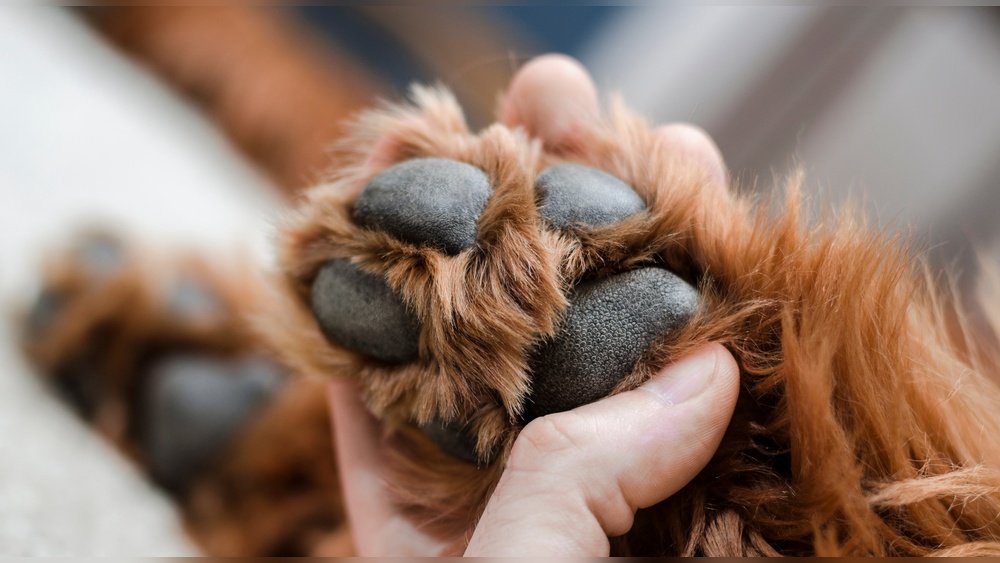
You love taking your dog on walks, but have you noticed how quickly their paws get dirty? Mud, dust, pollen, and even road salt can cling to your dog’s feet, bringing mess and sometimes harmful substances right into your home.
Keeping your dog’s paws clean isn’t just about tidiness—it’s essential for their health and comfort. In this guide, you’ll discover simple, effective ways to clean your dog’s paws after every adventure. From quick wipe-downs to deep cleaning tips, you’ll learn how to protect your furry friend from infections and irritations while keeping your floors spotless.
Ready to make paw cleaning a stress-free routine you both can enjoy? Let’s get started!
Daily Cleaning Tips
Keeping your dog’s paws clean every day helps avoid infections and discomfort. Dirt, mud, and allergens can stick to their paws after walks. Cleaning paws regularly prevents these irritants from causing issues. Simple daily habits make paw care easy and effective.
Use Dog-specific Wipes
Keep dog-specific wipes near your door for quick cleaning. These wipes are gentle and safe for your dog’s skin. Avoid using baby wipes made for humans. They may cause dryness or irritation due to different pH levels. Wipe between the toes and pads carefully. This removes dirt and small debris easily.
Portable Paw Washers
Portable paw washers are handy for muddy walks. Fill the washer with water and gently insert your dog’s paw. Soft silicone bristles inside remove mud and grime without hurting. These washers clean paws quickly and keep mess outside. They are perfect for travel or park visits.
Damp Cloth Wipes
A warm, damp cloth works well for light dirt. Wipe your dog’s paws gently after each walk. Follow with a dry towel to remove moisture. This prevents fungal infections and keeps paws healthy. Use a soft microfiber cloth for best results.
Absorbent Entry Mats
Place absorbent mats near your home’s entrance. These mats catch dirt and moisture from paws before dogs go inside. Microfiber mats work well to trap particles. Encourage your dog to step on the mat before entering. This simple step reduces cleaning inside your home.
Deep Cleaning Techniques
Deep cleaning your dog’s paws is essential for their health. Dirt, bacteria, and allergens can hide in the paw pads and hair. This section explains simple and effective techniques to clean paws deeply. Use these steps regularly to keep your dog’s paws fresh and safe.
Mild Soap And Shampoo
Choose a mild soap or dog shampoo made for sensitive skin. Avoid harsh chemicals that may irritate your dog’s paws. Wet the paws gently with warm water. Apply a small amount of soap and lather well. Clean between the toes and pads carefully. Rinse thoroughly to remove all soap residue. This prevents dryness and itching.
Inspect For Injuries
After washing, check your dog’s paws closely. Look for cuts, cracks, or swelling. Small injuries can cause pain or infection. If you find any, clean them with an antiseptic solution. Keep an eye on wounds to ensure they heal properly. Consult a vet for serious injuries or persistent problems.
Trim Paw Hair
Long hair around the paws can trap dirt and debris. Trim the hair carefully using pet-safe scissors. Be gentle to avoid cutting the skin. Shorter hair helps keep paws cleaner longer. It also reduces the risk of matting and irritation. Regular trimming supports better hygiene and comfort.
Drying Paws Thoroughly
After cleaning and inspecting, dry your dog’s paws completely. Use a soft towel to absorb all moisture. Pay special attention to the spaces between the toes. Damp paws can lead to fungal infections or bad odors. Air drying in warm weather works too. Make sure paws are dry before your dog goes outside again.
Protecting Paws Outdoors
Protecting your dog’s paws outdoors is essential for their comfort and health. Rough surfaces, chemicals, and weather conditions can cause damage. Taking simple steps helps keep paws safe and clean during walks or playtime. Healthy paws mean happy dogs ready for adventure.
Avoiding Harsh Chemicals
Keep your dog away from areas treated with pesticides or salt. These chemicals can irritate and dry out paws. Avoid walking on recently sprayed lawns or salted sidewalks in winter. Use pet-friendly deicers and rinse paws with water after exposure. This prevents chemical burns and discomfort.
Using Paw Balms
Apply paw balm to protect and soothe dry, cracked pads. Balms create a barrier against rough surfaces and hot pavement. Use them before walks in summer or winter. Choose balms made from natural ingredients, safe if licked. Regular application keeps paws soft and healthy.
Seasonal Paw Care
Adjust paw care based on the season. In winter, salt and ice can cause irritation. Rinse paws after walks and dry thoroughly. In summer, hot pavement can burn pads. Walk early or late to avoid heat. Inspect paws for cuts or cracks regularly. Treat injuries promptly to prevent infection.
Booties And Paw Covers
Use dog booties or paw covers to protect paws from rough terrain and extreme temperatures. Booties shield against hot pavement, snow, and sharp objects. Ensure a proper fit to avoid slipping or discomfort. Start with short wear times to help your dog get used to them. Booties offer extra protection on challenging walks.

Credit: www.everhartvet.com
Tools And Products
Keeping your dog’s paws clean requires the right tools and products. These items make paw care simple and effective. Use them regularly to protect paws from dirt, bacteria, and irritants. Choose products designed specifically for dogs to ensure safety and comfort.
Portable Paw Washers
Portable paw washers offer a quick way to clean paws after walks. They usually have soft silicone bristles inside a small cup. Add water, insert your dog’s paw, and gently twist. This removes mud and dirt without stress. Portable washers are easy to carry and use anywhere.
Pet-safe Wipes
Pet-safe wipes are convenient for quick cleanups. They remove dirt and allergens from paws and between toes. Avoid using human baby wipes, as they can irritate your dog’s skin. Choose wipes free from alcohol and harsh chemicals. Keep them near the door for easy access.
Microfiber Towels
Microfiber towels absorb moisture and dirt efficiently. Use a damp microfiber cloth to wipe dusty paws after outdoor play. Dry paws completely with a dry towel to prevent infections. Microfiber is gentle on skin and dries quickly, making it perfect for daily use.
Paw Cleaning Sprays
Paw cleaning sprays help disinfect and soothe paws. Look for sprays with natural ingredients that kill germs and calm irritation. Spray on paws after wiping to remove stubborn dirt and bacteria. These sprays also reduce odors and keep paws fresh.
Training Your Dog For Paw Care
Training your dog for paw care helps keep their feet clean and healthy. Teaching your dog to accept paw cleaning makes the process easier and less stressful. Start training early to build good habits and trust. Use gentle techniques and patience for the best results. Consistency improves your dog’s comfort with paw handling.
Creating Positive Associations
Use treats and praise to make paw care enjoyable. Offer a small treat before and after touching their paws. Speak softly and use calm tones. Reward your dog immediately to link paw care with good feelings. This approach reduces fear and builds trust over time.
Using Distractions
Distract your dog during paw cleaning to keep them calm. Use toys or a lick mat filled with peanut butter. These distractions keep their attention away from the paws. Distraction helps prevent resistance and makes cleaning easier. It also creates a relaxed environment for your dog.
Regular Handling Practice
Handle your dog’s paws daily to build familiarity. Gently lift and touch each paw for a few seconds. Gradually increase handling time as your dog relaxes. Practice in short sessions to avoid stress. Regular practice makes paw care a normal routine for your dog.

Credit: www.ultimatespetfood.com
Common Paw Problems
Dog paws face many common problems that affect their health and comfort. Dirt, infections, allergies, and stains can build up quickly. Knowing how to spot and manage these issues helps keep paws clean and healthy. Regular care prevents pain and serious conditions.
Detecting Infections
Infections often start with redness, swelling, or a foul smell. Check between toes and pads for pus or scabs. Dogs may lick or chew their paws more than usual. Early detection allows quick treatment to avoid worsening problems.
Dealing With Stains
Stains on paws usually come from dirt, grass, or mud. Wiping paws after walks stops stains from spreading indoors. Use gentle, pet-safe cleansers to remove stubborn marks. Avoid harsh chemicals that irritate sensitive skin.
Treating Allergies
Allergies cause itching, redness, and sometimes sores on paws. Identify triggers like pollen, food, or cleaning products. Rinse paws after outdoor time to reduce allergens. A vet can recommend soothing creams or medications if needed.
Preventing Yeast Growth
Yeast thrives in moist, warm areas like paws. Dry paws thoroughly after washing or walks in wet conditions. Use antifungal sprays or wipes if yeast is a recurring problem. Keeping paws dry and clean helps stop yeast infections from developing.

Credit: www.malawi-germany.de
Frequently Asked Questions
Should I Wipe My Dog’s Paws After A Walk?
Wipe your dog’s paws after walks to remove dirt, allergens, and harmful substances. Dry thoroughly to prevent infections.
Can I Use Dawn Dish Soap To Wash My Dog’s Paws?
Dawn dish soap can clean your dog’s paws but use it sparingly. Choose a mild, pet-safe shampoo for regular washing. Rinse thoroughly to avoid skin irritation. Dry paws completely to prevent infections. Avoid soaps with strong fragrances or harsh chemicals.
Should I Soak My Dog’s Paws In Vinegar?
Soaking your dog’s paws in vinegar can help with mild infections but avoid if skin is irritated. Always dilute vinegar with water (50/50). Limit soaking to a few minutes and dry paws thoroughly afterward to prevent irritation or dryness. Consult your vet for persistent issues.
How Do I Get Brown Stains Off My Dog’s Paws?
Use a damp cloth with mild pet-safe shampoo to gently scrub stains. Rinse and dry paws thoroughly to prevent irritation. Repeat as needed.
Conclusion
Keeping your dog’s paws clean protects them from infections and irritations. Regular wiping removes dirt, salt, and germs effectively. Use gentle, dog-safe products to avoid skin problems. Dry paws well to stop moisture buildup. A simple daily routine keeps your pet comfortable and healthy.
Clean paws mean happier walks and fewer vet visits. Start small, stay consistent, and your dog will thank you.