
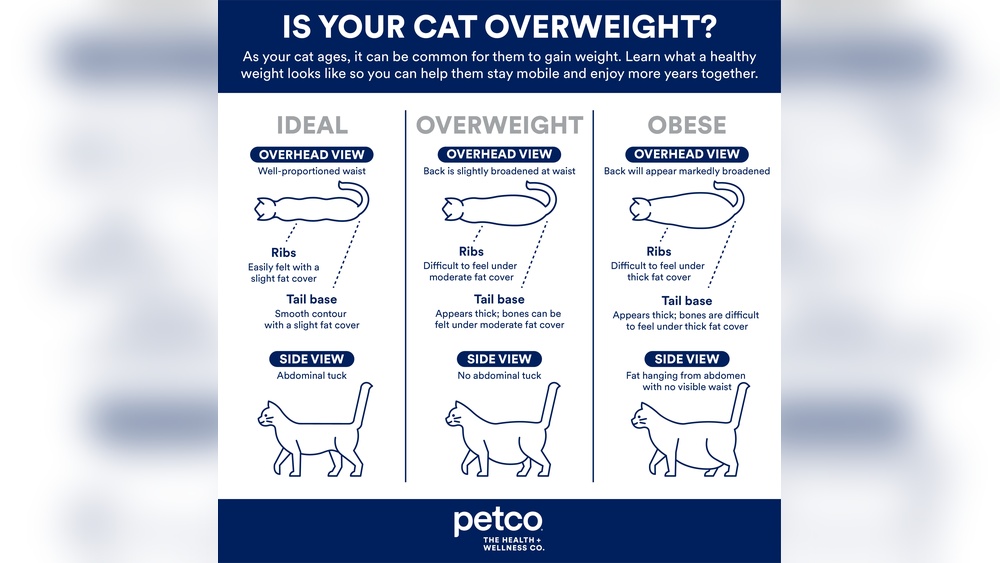
Is your cat looking a bit too skinny lately? It’s natural to worry about your furry friend’s health and happiness when they’re not at a healthy weight.
You want your cat to feel strong, energetic, and full of life—but helping them gain weight can be tricky if you don’t know where to start. The good news? With the right feeding strategies, a few simple changes, and some expert tips, you can help your cat pack on the pounds safely and steadily.
Keep reading to discover easy, effective ways to get your cat to gain weight and thrive. Your cat’s best health is closer than you think!
Check Health First
Before trying to help your cat gain weight, check its health first. Weight loss or difficulty gaining weight can signal health problems. Understanding your cat’s condition helps you choose the best approach. Start by focusing on your cat’s health to ensure safe weight gain.
Visit The Vet
Schedule a vet visit for a full health check. The vet can measure your cat’s weight and body condition. They perform tests to find hidden illnesses. Regular vet visits catch problems early and guide treatment. Do not skip this step to avoid worsening health.
Identify Medical Issues
Watch for diseases that cause weight loss. Common problems include parasites, infections, or organ diseases. Dental pain can also stop cats from eating well. The vet helps identify these issues with exams and tests. Treating medical problems often helps cats gain weight naturally.
Monitor Appetite Changes
Keep track of your cat’s eating habits daily. Notice if your cat eats less or refuses food. Appetite loss can mean sickness or stress. Record any sudden changes and share them with your vet. Early action improves your cat’s chances to recover and gain weight.
Choose High-calorie Foods
Choosing high-calorie foods is a key step to help your cat gain weight. Cats need nutrient-rich meals that support healthy weight gain. Focus on options with more calories without increasing meal size too much. This helps avoid digestive upset. High-calorie foods provide energy and nutrients needed for muscle and fat building. Feeding the right kind of food can make a big difference in your cat’s health and weight.
Opt For Kitten Or Veterinary Diets
Kitten food is rich in calories and nutrients. It supports growth and weight gain in young cats. Adult cats can also benefit from kitten food if they need to gain weight. Veterinary diets are designed for specific health needs. These diets often contain extra calories and balanced nutrients. Consult your vet to find the best option for your cat’s condition.
Select Protein And Fat Rich Options
Cats need protein and fat for energy and muscle repair. Choose foods high in animal protein like chicken, turkey, or fish. Fat provides a dense source of calories. Look for foods with healthy fats such as omega-3 and omega-6. These nutrients improve coat condition and overall health. Avoid foods with too many fillers or carbohydrates.
Use Wet Food For Better Palatability
Wet food often smells and tastes better to cats. This makes it easier to encourage eating. It also contains more moisture, helping with hydration. Warming wet food can increase its aroma and appeal. Serve small, frequent meals to keep your cat interested. Wet food can be mixed with dry food if needed. This variety helps stimulate appetite and weight gain.
Adjust Feeding Habits
Adjusting feeding habits plays a key role in helping your cat gain weight. Small changes in how and what you feed can make a big difference. Cats eat better when meals suit their natural habits and preferences. Tailoring feeding times and food presentation can boost their appetite and calorie intake. This section covers simple feeding adjustments to encourage healthy weight gain.
Feed Small, Frequent Meals
Cats often prefer eating little amounts throughout the day. Offering small portions every few hours keeps their energy steady. It also prevents them from feeling too full or overwhelmed. Try feeding one tablespoon of food multiple times daily. This approach supports digestion and reduces vomiting risks after meals.
Warm Food To Enhance Aroma
Warming your cat’s food makes it smell stronger and more inviting. Heat wet food gently in the microwave for about 10 seconds. Warm meals trigger your cat’s natural hunting instincts and increase interest. Avoid overheating to prevent burns and loss of nutrients. The pleasant aroma can encourage your cat to eat more.
Add Toppers And Mix-ins
Adding tasty toppers or mix-ins to regular meals can boost calories and flavor. Small amounts of cooked chicken, tuna juice, or cat-safe broth work well. These extras make meals more appealing and varied. Use them sparingly to avoid upsetting your cat’s stomach. Mixing flavors and textures helps stimulate appetite and weight gain.

Credit: agriturismopalagetto.com
Create A Comfortable Environment
Creating a comfortable environment is essential for helping your cat gain weight. Cats eat better when they feel safe and calm. A peaceful space reduces anxiety and encourages regular feeding. This section explains how to make mealtime pleasant for your cat.
Reduce Stress During Feeding
Stress can stop cats from eating enough. Keep the feeding area quiet and free of loud noises. Avoid sudden movements around your cat while it eats. Speak softly and move slowly near your cat. A calm atmosphere helps your cat relax and enjoy food.
Provide Easy Food Access
Place food where your cat can reach it without trouble. Avoid high shelves or tight spaces. Use shallow bowls to make eating easier. Check that water is nearby and fresh. Easy access to food and water encourages your cat to eat more often.
Separate Feeding Area From Other Pets
Other pets may stress your cat during meals. Feed your cat in a separate room or corner. This prevents competition and protects your cat’s food. A private feeding spot helps your cat eat peacefully and gain weight.
Use Appetite Boosters
Appetite boosters play a key role in helping cats gain weight. Cats may lose interest in food due to illness, stress, or changes in their environment. Appetite stimulants can encourage them to eat more and gain healthy weight. These boosters come in different forms, from simple food adjustments to vet-prescribed options. Using these methods can make a noticeable difference in your cat’s eating habits.
Try Different Food Textures
Some cats prefer specific textures in their food. Wet food, pâté, chunks in gravy, or shredded meat can appeal differently. Offering a variety of textures can spark your cat’s interest. Change the type of food regularly to keep meals exciting. Cats may eat more when they find a texture they enjoy.
Incorporate Tuna Juice Or Gravy
Tuna juice and gravy can enhance the smell and flavor of your cat’s meals. Adding a little tuna juice to dry or wet food makes it more tempting. Gravy also adds moisture and taste, which cats love. These small additions can boost appetite without changing the main food. Use these extras sparingly to avoid digestive issues.
Consider Vet-prescribed Stimulators
When natural methods do not work, ask your vet about appetite stimulators. These medications help increase hunger safely. They are especially useful if your cat has a medical condition. Your vet will recommend the right type and dosage. Always follow the vet’s guidance to keep your cat healthy.
Credit: www.reddit.com
Monitor Progress
Monitoring your cat’s progress during a weight gain plan is essential. It helps you see if your cat is improving or if changes are needed. Careful tracking prevents health risks and ensures the best results for your cat’s wellbeing.
Track Weight Regularly
Weigh your cat at least once a week. Use a reliable scale for accuracy. Record the weight in a notebook or app. Consistency in timing and method gives clear progress data. Small daily changes do not matter, but weekly trends do.
Adjust Diet Based On Response
Observe how your cat reacts to the current food. If weight gain is slow, increase meal size or frequency. If your cat refuses to eat, try different flavors or textures. Avoid sudden diet changes; introduce new food gradually. Keep the diet rich in calories and nutrients.
Schedule Follow-up Vet Visits
Visit your vet regularly during the weight gain process. They check your cat’s health and rule out medical issues. Vets can suggest diet adjustments or supplements if needed. Follow their advice strictly for safe and steady weight gain. Regular check-ups provide peace of mind for pet owners.
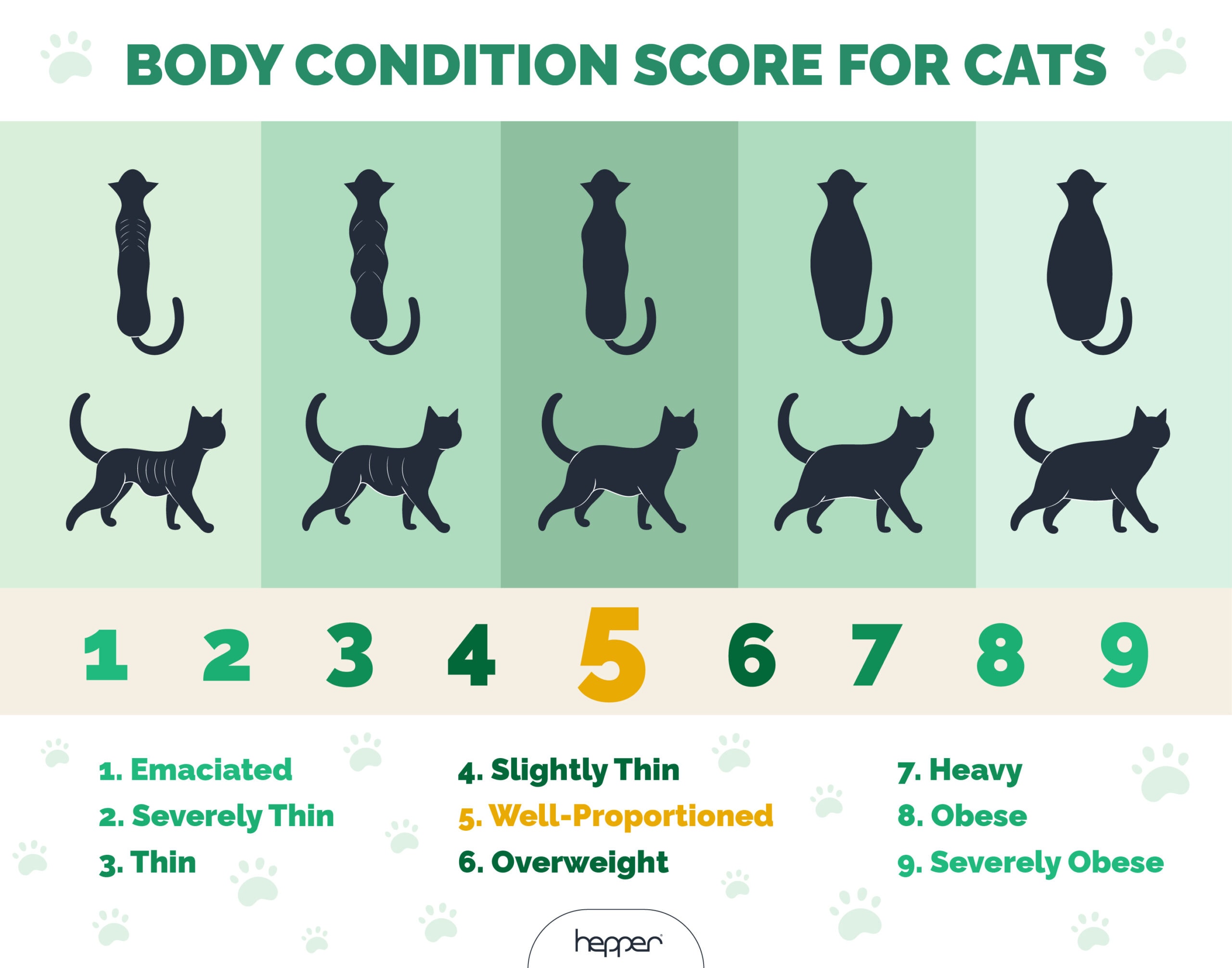
Credit: articles.hepper.com
Frequently Asked Questions
How Do I Fatten Up My Cat?
Feed your cat high-calorie, nutrient-dense food like kitten or wet food in small, frequent meals. Warm food to boost aroma. Provide a stress-free eating area and consult a vet to check health and suggest appetite stimulants if needed.
What To Do If Your Cat Is Too Skinny?
Consult a vet to rule out health issues causing weight loss. Feed high-calorie, nutrient-dense food in small, frequent meals. Warm wet food to enhance aroma and reduce feeding stress. Monitor appetite and ensure easy food access. Use tasty toppers to encourage eating.
What Is The 3-3-3 Rule For Cats?
The 3-3-3 rule for cats means observing your cat for 3 days, feeding 3 small meals daily, and monitoring 3 key behaviors: eating, drinking, and litter box use. This helps track health and adjust care early if problems arise.
Is My Cat Too Skinny If I Can Feel Her Spine?
Feeling your cat’s spine can be normal if she has a healthy weight and muscle tone. Excessively prominent spines may signal underweight or health issues. Consult a veterinarian to assess her body condition and rule out medical problems causing weight loss or poor appetite.
Conclusion
Helping your cat gain weight takes patience and care. Feed small, frequent meals with nutrient-rich food. Warm the food slightly to improve its smell and taste. Keep your cat’s eating area calm and quiet. Watch for any changes in appetite or behavior.
Regular vet visits ensure your cat stays healthy. With gentle steps, your cat can reach a healthier weight soon. Stay consistent and attentive to your cat’s needs.