
You love your cat like family, so keeping them healthy is a top priority. But how often should you actually take your cat to the vet?
It’s easy to think that if your furry friend seems fine, a vet visit isn’t necessary. However, cats are experts at hiding health issues until they become serious. Regular vet checkups can catch problems early, saving your cat from pain and costly treatments later on.
You’ll discover the best schedule for vet visits based on your cat’s age and lifestyle. By the end, you’ll know exactly when to book your cat’s next appointment to keep them happy and healthy for years to come.
Credit: www.goodrx.com
Vet Visit Frequency By Age
Vet visit frequency changes as your cat grows. Different ages need different care levels. Regular exams help catch health problems early. They keep your cat happy and healthy.
Kitten Checkups
Kittens need many vet visits in their first year. Start with visits every 3 to 4 weeks. These visits include vaccinations and growth checks. Your vet will test for parasites and illnesses. Spaying or neutering is usually done around six months.
Adult Cat Exams
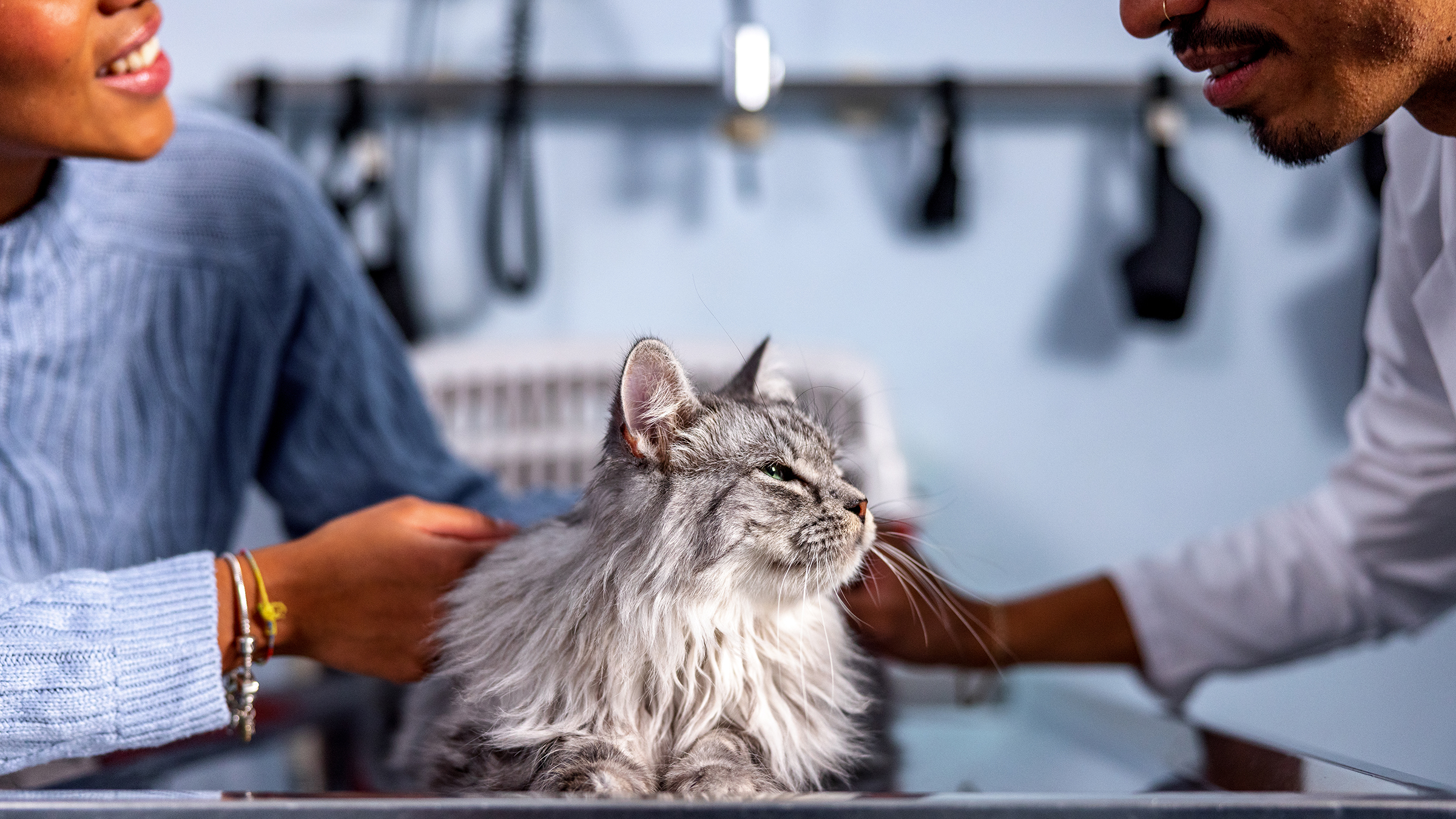
Adult cats should visit the vet once a year. Annual exams check for hidden health issues. Vaccinations are updated during these visits. Your vet will also check teeth and weight. Early detection keeps your cat in good shape.
Senior Cat Visits
Senior cats need vet visits twice a year. Older cats face more health risks. Twice-yearly exams catch problems before they worsen. Blood tests monitor organ function and disease. Regular visits improve quality of life for seniors.
Signs To Schedule Extra Visits
Knowing when to schedule extra vet visits for your cat can protect their health. Cats often hide signs of illness until problems become serious. Watching for changes in behavior and physical symptoms helps catch issues early. Emergency situations require immediate veterinary care to keep your cat safe.
Behavioral Changes
Sudden changes in behavior may signal health problems. If your cat becomes unusually aggressive or withdrawn, it needs a checkup. Loss of appetite or reluctance to move can also indicate pain. Increased hiding, vocalization, or restlessness are signs to watch. Schedule a vet visit promptly to find the cause.
Physical Symptoms
Physical signs often show illness before serious damage occurs. Look for vomiting, diarrhea, or difficulty breathing. Limping, swelling, or wounds need veterinary attention. Changes in fur condition or excessive scratching could mean skin issues. Any new lumps or bumps should be checked by a vet quickly.
Emergency Situations
Some situations require urgent veterinary care. Difficulty breathing, choking, or sudden collapse are emergencies. Severe bleeding or poisoning needs immediate attention. If your cat is hit by a car or falls from height, call the vet right away. Quick action can save your cat’s life in these cases.
Key Components Of Vet Visits
Regular vet visits keep your cat healthy and happy. These visits cover many important checks. Each part plays a key role in your cat’s well-being. Understanding these helps you know what to expect at the vet.
Physical Exams
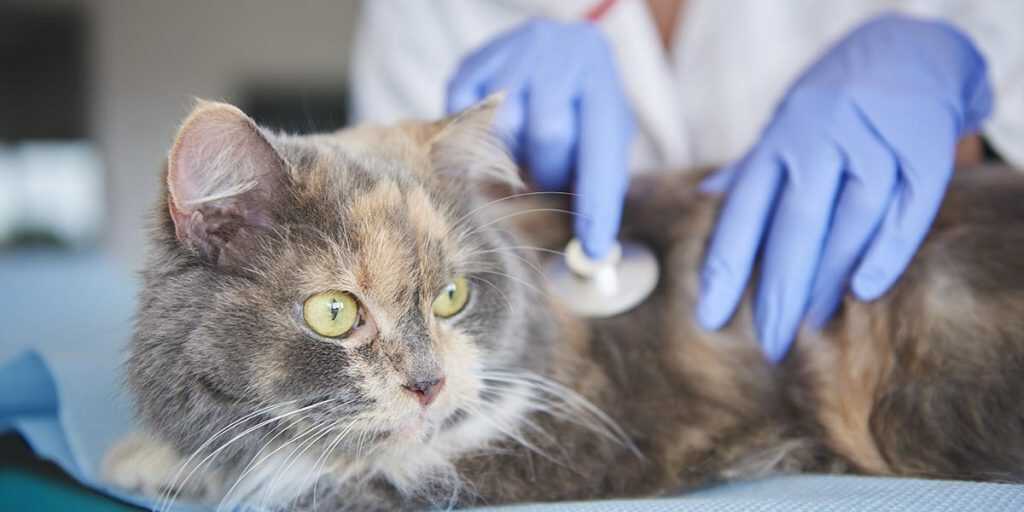
Vets check your cat’s weight, eyes, ears, and teeth. They listen to the heart and lungs. Physical exams find early signs of illness. They also check your cat’s skin and coat for problems.
Vaccinations
Vaccines protect cats from serious diseases. Core vaccines include rabies and feline distemper. Your vet will recommend shots based on your cat’s age and lifestyle. Keeping vaccinations up to date is vital.
Blood Tests And Diagnostics
Blood tests show how well organs work. They detect infections and other hidden issues. Vets may use X-rays or ultrasounds to see inside the body. These tests help diagnose problems early.
Parasite Prevention
Parasites like fleas, ticks, and worms harm cats. Vets check for these pests during visits. They recommend treatments to prevent infestations. Regular parasite control keeps your cat safe and comfortable.
Benefits Of Regular Vet Care
Regular vet care keeps your cat healthy and happy. It helps catch problems before they become serious. Routine checkups give your cat the best chance for a long life. Vets can spot changes in health that are not obvious at home. This care also supports managing ongoing health conditions well.
Early Disease Detection
Vets can find signs of illness early. Early detection means treatment can start sooner. This often leads to better results. Diseases like kidney problems or diabetes show few signs at first. Regular exams help catch these issues before they worsen.
Long-term Health Monitoring
Frequent vet visits track your cat’s health over time. Vets monitor weight, teeth, and organ function. This helps spot slow changes and adjust care. Monitoring supports healthy aging and comfort in senior cats.
Cost Savings
Preventive care saves money in the long run. Treating advanced diseases can be very expensive. Early treatments are usually simpler and cheaper. Regular visits reduce emergency costs and hospital stays. Investing in vet care protects your budget and your cat’s health.
Indoor Vs. Outdoor Cat Care
Caring for a cat depends on whether it stays indoors or spends time outside. Both types need regular vet visits but face different health risks. Understanding these differences helps keep your cat healthy and happy.
Risk Factors For Indoor Cats
Indoor cats face fewer dangers from the environment. They are less likely to catch infectious diseases or get injured. Still, they can develop health issues like obesity or dental problems. Stress from boredom or lack of exercise can affect their wellbeing. Regular vet visits catch these problems early. Vaccinations and parasite prevention remain important for indoor cats.
Additional Needs For Outdoor Cats
Outdoor cats face more health risks. They can encounter traffic, predators, or fights with other animals. These risks increase chances of injury and infections. Outdoor cats need more frequent parasite control, like flea and tick treatments. Vaccinations against diseases from other animals are crucial. Checking for wounds and illnesses often is necessary. Outdoor cats may need vet visits every six months to stay safe and healthy.
Credit: harboursidevet.com
Common Vet Costs
Understanding common vet costs helps you prepare for your cat’s healthcare needs. Regular visits keep cats healthy but can add up financially. Knowing typical prices makes budgeting easier. It also helps you avoid surprises during visits.
Routine Checkup Pricing
Routine checkups usually cost between $50 and $100. This price covers a physical exam and basic health evaluation. Some clinics may charge more depending on location. Older cats or those with health issues might need more frequent visits. These visits often include dental checks and weight monitoring as well.
Cost Of Tests And Vaccines
Tests and vaccines add to the total vet bill. Blood tests typically cost $80 to $150. These tests check organ function and detect hidden illnesses early. Vaccines range from $15 to $40 each, depending on the type. Common vaccines include rabies and feline distemper. Parasite prevention treatments also vary in cost but are essential for your cat’s health.
Preparing For Your Cat’s Vet Visit
Preparing for your cat’s vet visit helps reduce stress for both you and your pet. A calm and organized approach makes the appointment smoother. Being ready ensures your cat gets the best care possible.
What To Bring
Bring your cat’s medical records. Include vaccination history and any past illnesses. Carry a list of current medications and supplements. Pack your cat’s favorite toy or blanket for comfort. Use a secure carrier to keep your cat safe. Bring a fresh stool sample if requested by the vet.
Questions To Ask The Vet
Ask about your cat’s weight and diet recommendations. Inquire about any signs of illness to watch for at home. Discuss vaccination schedules and parasite prevention. Request advice on dental care and grooming. Ask about your cat’s behavior and any changes you notice. Clarify follow-up visits and any necessary tests. Understanding these topics helps you care better for your cat.
Credit: www.harmonyanimalhospital.net
Frequently Asked Questions
What Is The 3-3-3 Rule For Cats?
The 3-3-3 rule for cats means: three days to settle, three weeks to adjust, and three months to fully feel at home.
What Is “i Love You” In Cat Language?
“I love you” in cat language means slow blinking, gentle purring, head nudges, and kneading. These show trust and affection.
What Is The 3:2:1 Rule In Cats?
The 3:2:1 rule in cats means three meals a day, two litter scoops daily, and one vet visit yearly for healthy care.
How Much Should A Cat Checkup Cost?
A cat checkup typically costs between $50 and $100, depending on location and services included. Regular exams prevent costly health issues.
Conclusion
Regular vet visits keep your cat healthy and happy. Cats hide sickness well, so checkups catch problems early. Young cats need yearly visits, older cats more often. Vaccines, parasite control, and blood tests protect your pet. Don’t wait for signs of illness to act.
A simple visit today prevents costly treatments later. Caring for your cat means scheduling vet visits on time. Stay attentive, and your furry friend will thank you with many joyful years.