
Is your cat ignoring their water bowl, leaving you worried about their health? You’re not alone—many cat owners struggle with getting their furry friends to drink enough water.
But why does hydration matter so much for cats, and how can you encourage your picky pet to sip more often? You’ll discover simple, proven tips to boost your cat’s water intake without stress or hassle. From choosing the right bowl to making water more appealing, these easy tricks will help keep your cat happy and healthy.
Keep reading to find out how you can make a difference in your cat’s hydration today.
Water Fountain Benefits
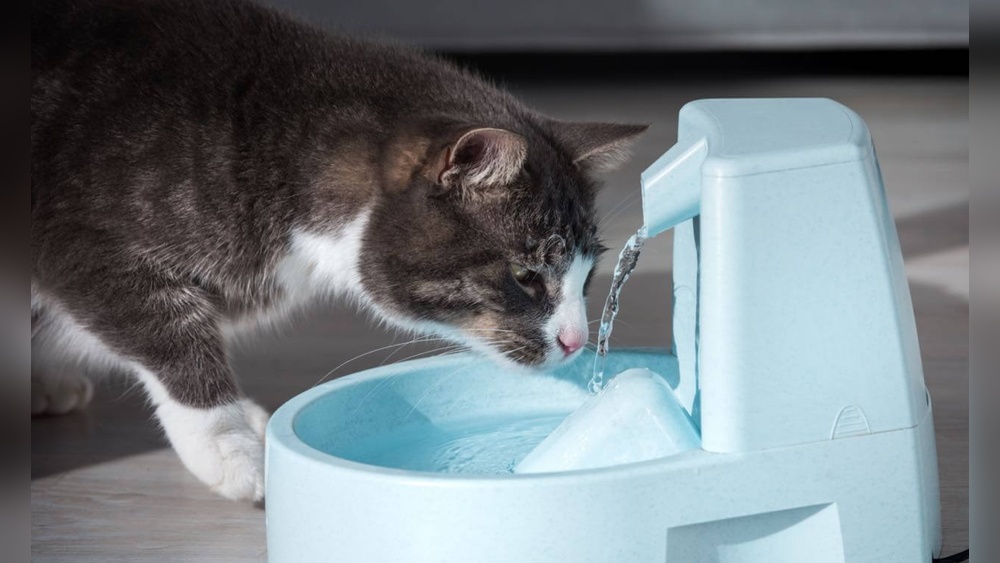
Water fountains offer many benefits for cats that struggle to drink enough water. They provide fresh, moving water that catches a cat’s interest. This encourages them to drink more often. Increased water intake helps prevent dehydration and supports kidney health.
Fountains keep water cleaner by filtering out debris. This reduces the risk of bacteria growth. Cats often find running water more appealing than still water in a bowl. This simple change can improve their hydration habits significantly.
Why Cats Prefer Running Water
Cats are instinctive hunters and drinkers of fresh, flowing water. Running water usually means cleaner and safer water in nature. Still water may seem stale or dirty to them. The sound and movement attract their curiosity and interest.
This natural preference helps explain why many cats ignore water bowls. A fountain mimics a stream or river. It encourages cats to drink more by making water feel fresh and exciting.
Choosing The Right Fountain
Select a fountain made from safe, durable materials like stainless steel or ceramic. These materials avoid plastic odors or tastes that cats dislike. Look for models with easy-to-clean parts and replaceable filters.
Consider the fountain’s size to fit your cat’s needs. Smaller fountains suit single cats, while larger ones are better for multiple pets. Quiet pumps also prevent scaring shy cats. The right fountain can boost your cat’s water intake naturally.
Ideal Bowl Placement
Placing your cat’s water bowl in the right spot encourages them to drink more. Cats like quiet, safe areas for drinking. The location should feel comfortable and away from busy or smelly places. Good bowl placement helps your cat stay hydrated and healthy.
Consider your cat’s natural behavior. They prefer to keep their water separate from their food and litter. A calm, clean area with easy access is best. Avoid crowded or noisy spots that might scare them away.
Avoid Litter And Food Areas
Never put the water bowl near the litter box. Cats dislike drinking near their bathroom. This can stop them from drinking enough water. Also, avoid placing water bowls right next to food dishes. Cats like to eat and drink in separate places. This separation feels more natural and inviting to them.
Multiple Water Stations
Set up several water bowls in different rooms. Cats explore and drink more if water is easy to find. Small bowls in quiet spots help increase water intake. Some cats prefer moving water, so consider a water fountain too. Multiple stations give your cat choices and comfort.
Best Bowl Types
Choosing the right bowl for your cat’s water can make a big difference. Cats have sensitive whiskers and may avoid bowls that feel uncomfortable. The best bowl types help your cat drink more often and stay hydrated. Consider size, shape, and material when picking a bowl.
Wide And Shallow Designs
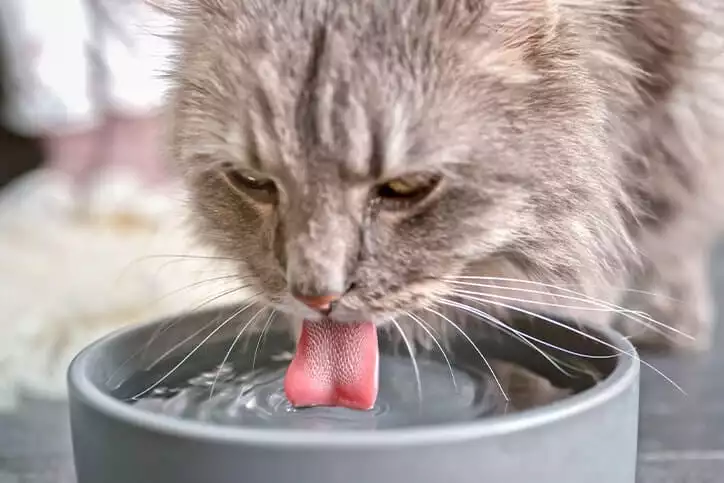
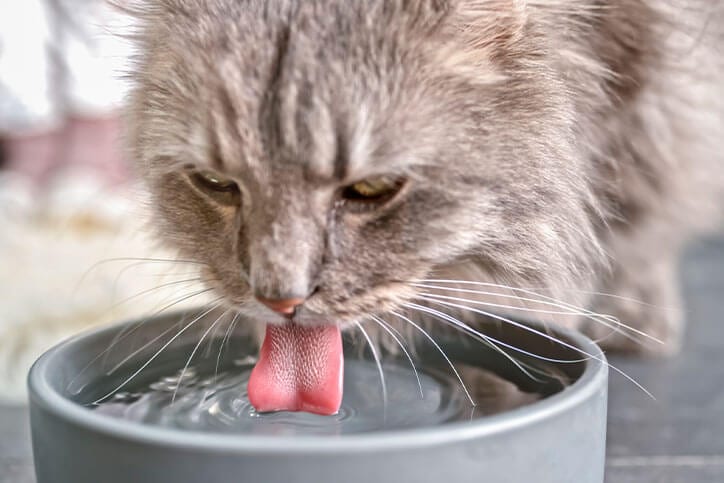
Wide and shallow bowls prevent whisker fatigue. Cats do not like their whiskers touching the sides. A wide bowl gives their whiskers space to move freely. Shallow depth also makes it easier for cats to reach the water. This design encourages more drinking by reducing stress.
Material Matters: Ceramic, Metal, Or Plastic
Ceramic bowls are smooth and heavy. They do not tip over easily and are gentle on whiskers. Metal bowls, like stainless steel, are durable and easy to clean. They do not absorb odors or bacteria. Avoid plastic bowls as they can trap smells and cause allergies. Plastic may also scratch, harboring bacteria. Choose ceramic or metal for better hygiene and comfort.
Maintaining Fresh Water
Maintaining fresh water is key to encouraging your cat to drink more. Cats dislike stale or dirty water. Clean, fresh water attracts them and supports good health. Providing fresh water daily helps keep your cat hydrated and happy.
Daily Cleaning Tips
Change your cat’s water at least once every day. Use a clean bowl each time you refill water. Wash the bowl with warm, soapy water to remove any dirt or residue. Rinse thoroughly to avoid soap taste. Dry the bowl before adding fresh water. This routine keeps water appealing for your cat.
Preventing Bacterial Build-up
Bacteria grow quickly in water left too long. Use bowls made from stainless steel or ceramic. These materials resist bacteria better than plastic. Avoid plastic bowls because they can trap germs and odors. Clean water bowls with a vinegar solution once a week. This helps kill bacteria and prevents slime. Keep water bowls away from food and litter boxes to avoid contamination.
Food And Water Mix
Mixing food with water is a simple way to increase your cat’s fluid intake. Cats often eat less wet food if it is dry or dense. Adding water softens the texture and makes it easier to eat. This method also adds extra moisture to their diet. It can help prevent dehydration, especially for cats that dislike drinking plain water.
Using food and water together creates more opportunities for hydration. This approach is gentle and natural. Cats enjoy the taste and texture of wet food mixed with water. It can encourage them to drink more without forcing or stressing them.
Adding Water To Wet Food
Pour a small amount of water into your cat’s wet food bowl. Stir gently to mix the water evenly. The food will become softer and more moist. Start with a little water to avoid thinning the food too much. Observe how your cat reacts to the new texture. Increase the water gradually if your cat enjoys it. This method also cools the food slightly, which some cats prefer. Always use clean, fresh water for mixing.
Using Broth As An Alternative
Broth can be a tasty way to add moisture. Choose low-sodium or homemade broth without onions or garlic. These ingredients can be toxic to cats. Warm the broth slightly to make it more inviting. Pour broth over dry or wet food to add flavor and fluid. Some cats find broth more appealing than plain water. It also provides extra nutrients and hydration. Always check with your vet before introducing new liquids. Use broth as a treat or hydration aid, not a full meal replacement.
Credit: myaltadenavet.com
Encouraging Drinking Habits
Encouraging your cat to drink more water supports their health and keeps them hydrated. Cats often drink less because they do not like their water source. Changing how and where you offer water can make a big difference. Trying new ideas helps find what your cat prefers. Simple changes can lead to better drinking habits.
Using Human Glasses
Some cats like drinking from human glasses. The shape and height might feel more natural. Place a clean glass with fresh water on the floor. Avoid plastic glasses, as cats may not like the smell or texture. Observe if your cat drinks more from the glass. This method can work because the water is still and clear.
Experimenting With Different Containers
Try using bowls made from various materials like ceramic, glass, or stainless steel. Cats dislike whisker stress, so wide and shallow bowls work best. Avoid deep or narrow bowls that touch their whiskers. Changing the bowl’s size and shape can encourage drinking. Keep the water fresh and clean daily. Some cats prefer cups or bowls with a different texture or weight. Watch your cat’s preference and adjust accordingly.
Signs Of Dehydration
Recognizing the signs of dehydration in your cat is crucial for their health. Cats often hide discomfort, making it harder to spot issues early. Dehydration can cause serious problems if not addressed quickly. Watch your cat closely for any unusual symptoms. Early detection helps prevent complications and keeps your cat safe.
Behavioral Changes
Dehydrated cats may act differently than usual. They might seem tired and less playful. Your cat could hide more or avoid interaction. Notice if your cat drinks less water or stops eating. Their breathing may become faster or heavier. Pay attention to dry gums or sunken eyes. These changes signal that your cat needs more fluids.
When To Contact A Vet
Contact a vet if your cat shows severe symptoms. These include vomiting, diarrhea, or collapse. If your cat refuses water for more than 24 hours, seek help. Sudden weakness or confusion needs immediate attention. A vet can provide fluids and check for underlying issues. Early treatment is key to recovery and comfort.
Credit: www.petco.com
Credit: www.limerickvet.com
Frequently Asked Questions
How Do You Hydrate A Cat That Won’t Drink?
Offer wet food, use a cat water fountain, provide fresh water in shallow bowls away from food and litter. Add water or broth to meals. Clean bowls daily. Consult a vet if your cat suddenly stops drinking, as it may indicate a medical emergency.
How Do I Trick My Cat Into Drinking Water?
Offer fresh, running water using a cat fountain. Use wide, shallow bowls away from food and litter. Add water or broth to wet food. Change water daily to encourage drinking.
Can A Cat Go 3 Days Without Water?
A cat should not go three days without water. Lack of water can cause severe dehydration and health risks. Seek veterinary care immediately if a cat stops drinking.
What Is “i Love You” In Cat Language?
“I love you” in cat language means slow blinking, gentle purring, head nudges, and kneading. These show trust and affection.
Conclusion
Helping your cat drink more water takes patience and small changes. Try fresh water in clean, wide bowls placed away from food. Using a water fountain can attract cats who like moving water. Mixing water into wet food also boosts hydration.
Watch your cat’s behavior closely. Sudden drops in drinking need a vet’s attention. Keeping your cat well-hydrated supports their health and happiness every day.