
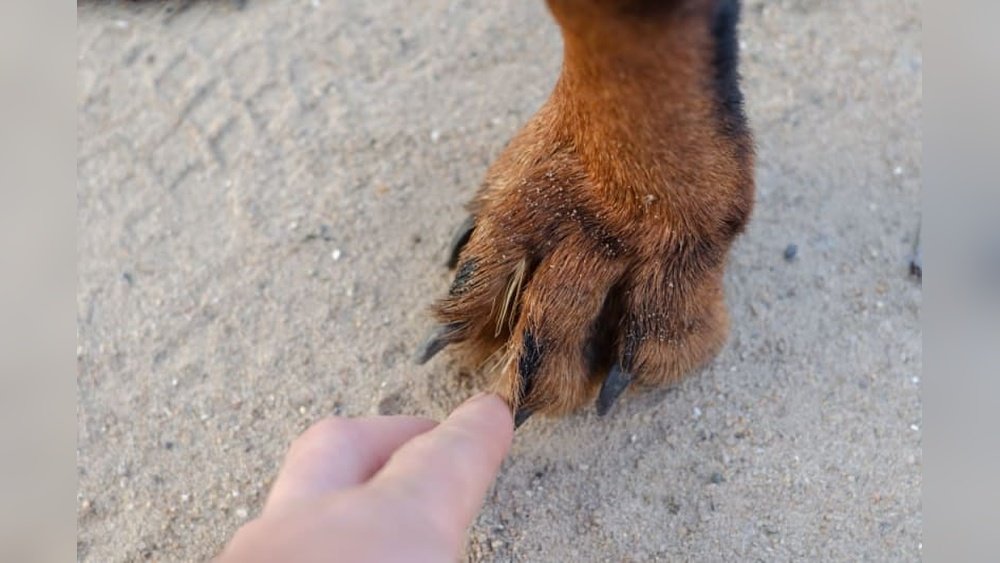
If your dog has been romping outside, there’s a good chance a pesky foxtail might have found its way into their paw. These sharp grass seeds can cause discomfort, irritation, and even serious infections if not removed quickly and properly.
You want to help your furry friend feel better fast, but removing a foxtail can be tricky and sometimes risky. You’ll learn exactly how to spot a foxtail, safely remove it from your dog’s paw at home, and when it’s time to call a vet.
Keep reading to protect your dog and make sure those painful foxtails don’t spoil your next adventure together.
Foxtails And Dogs
Foxtails are a common hazard for dogs, especially in grassy areas. These sharp seed heads can stick to a dog’s fur and paws. They can cause discomfort and serious health problems. Knowing what foxtails are helps owners protect their pets. Careful inspection after outdoor walks is important. Early detection can prevent deeper injuries.
What Are Foxtails
Foxtails are the seeds of certain grass plants. They have barbed edges that catch on fur easily. They look like small, fluffy spikes with pointed tips. Foxtails break off from the plant and travel by wind or animals. Their shape allows them to move forward but not backward. This makes them dangerous for dogs.
Why Foxtails Are Dangerous
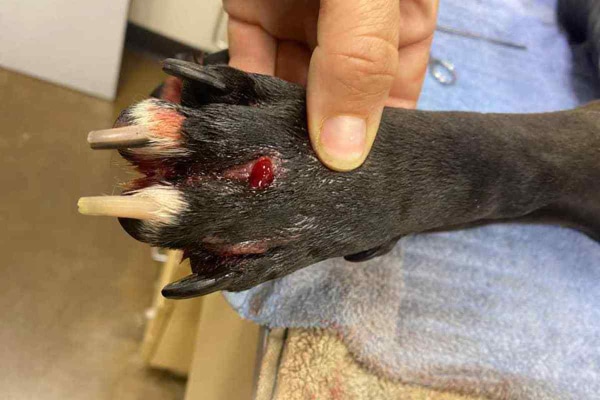
Foxtails can embed in a dog’s skin, paw pads, or between toes. Their barbs cause wounds and can carry bacteria. This may lead to infections or abscesses. Foxtails can move deeper into the body, causing pain. They can reach sensitive areas like ears, eyes, or nose. Removing them quickly reduces the risk of serious harm.
Credit: toegrips.com
Spotting Foxtails On Paws
Foxtails are sharp grass seeds that can stick to a dog’s paws during outdoor walks. Spotting them early helps prevent pain and infection. Regular checks of your dog’s paws after walks in grassy areas are essential. Knowing what to look for makes the process easier and quicker. This section explains how to spot foxtails on your dog’s paws.
Common Signs And Symptoms
Your dog may lick or chew at one paw more than usual. Limping or favoring one leg can signal discomfort. Redness or swelling between the toes is a common sign. You might notice small wounds or scabs on the paw pads. A foul smell can come from an infected foxtail site. Watch for sudden changes in behavior or signs of pain.
Where Foxtails Hide On The Paw
Foxtails often hide between the toes in the webbing. They can also get stuck under the paw pads. Long fur around the paws can trap foxtails in the hair. Check carefully between the toes and under the nails. Foxtails may also lodge in the cracks of dry paw pads. Use gentle parting of the fur to find hidden foxtails.
Tools For Safe Removal
Removing a foxtail from a dog’s paw needs the right tools. Using proper supplies helps keep your dog safe and calm. Prepare everything before you start. This prevents stress and makes the removal easier. Having the right tools ready means less struggle for you and your dog.
Essential Supplies
Gather these items before starting the removal:
- Tweezers with a fine tip for gripping the foxtail.
- A magnifying glass to see small foxtails clearly.
- Antiseptic wipes or solution to clean the area.
- Gloves to keep your hands clean and protect your dog.
- A flashlight to help spot foxtails in dark areas between toes.
- Styptic powder or cornstarch to stop bleeding if needed.
- Clean cloth or gauze to apply gentle pressure.
Preparing Your Dog
Calm your dog before starting. Speak softly and pet gently. Keep your dog in a comfortable position. Have someone help hold your dog if needed. Check the paw for swelling or redness. Clean the paw with antiseptic. This reduces infection risk. Take breaks if your dog gets restless.
Step-by-step Removal Process
Removing a foxtail from your dog’s paw needs care and patience. Follow each step closely to keep your dog safe and comfortable. Stay calm and gentle throughout the process. This will help your dog relax and make removal easier.
Calming And Securing Your Dog
Hold your dog gently but firmly. Use a calm voice to soothe them. Have someone help if your dog is nervous. Wrap your dog in a towel if needed. This keeps them from moving too much. A calm dog makes the process faster and safer.
Inspecting The Paw Thoroughly
Check the paw carefully for the foxtail. Look between the toes and under the paw pads. Use good light to see clearly. If you spot a foxtail, note its size and position. Avoid touching it too much to prevent pain.
Cutting Away Matted Fur
Use scissors to trim fur around the foxtail. Cut slowly and carefully to avoid hurting your dog. Removing matted fur makes the foxtail easier to reach. Clean the area gently after trimming. This helps you see and access the foxtail better.
Grasping And Removing The Foxtail
Use tweezers to grasp the foxtail near the skin. Pull it out slowly and straight. Do not twist or yank it. If the foxtail breaks, try to remove the pieces carefully. Stop if your dog shows pain or the foxtail is deep. Seek a vet’s help in such cases.
Aftercare Tips
After removing a foxtail from your dog’s paw, proper aftercare is vital. This care helps the wound heal and prevents infection. Follow simple steps to keep your dog’s paw clean and safe. Regular checks and good hygiene are key to recovery.
Cleaning The Paw
Gently wash the paw with warm water and mild soap. Avoid harsh chemicals that can irritate the skin. Use a soft cloth or cotton ball to clean around the wound. Pat the area dry carefully to prevent moisture buildup. Clean the paw twice a day until it heals completely.
Monitoring For Infection
Check the paw daily for redness, swelling, or discharge. These signs may indicate an infection. Watch for your dog licking or biting the paw more than usual. If the paw looks worse or your dog seems in pain, contact a veterinarian promptly. Early treatment stops infections from spreading.
Preventing Future Foxtail Issues
Keep your dog’s paws trimmed and free of long fur. Avoid walking in areas with tall grass or foxtail plants. After outdoor walks, inspect your dog’s paws carefully. Use protective booties if needed during high-risk seasons. Regular grooming and vigilance reduce the chance of foxtails embedding again.
When To Visit The Vet
Knowing when to visit the vet for a foxtail in your dog’s paw is crucial. Some foxtails can cause serious problems if not treated properly. Early vet visits can prevent infections and other complications. Watch your dog closely after spotting a foxtail. Quick action might save your dog from pain and costly treatment.
Signs That Need Professional Help
Look for swelling or redness around the paw. Your dog may lick or bite the area often. Limping or favoring one paw is a warning sign. Pus or discharge from the wound means infection. A bad smell coming from the paw is another sign. If the foxtail is buried deep or not visible, get help. Fever or lethargy shows the infection may have spread.
Potential Treatments By Veterinarians
Veterinarians may sedate your dog to remove deep foxtails. They clean and disinfect the wound thoroughly. Sometimes, vets need to make a small cut to reach the foxtail. They may prescribe antibiotics to fight infection. Pain relief medicines help your dog feel better. Follow-up visits ensure the paw heals well. Vets also check for other foxtails hidden in the fur.

Credit: dogcatdoc.com
Frequently Asked Questions
Will A Foxtail Go Away On Its Own?
A foxtail rarely goes away on its own and often causes infection or pain. Prompt removal prevents complications.
What Are The Signs That A Foxtail Might Be Stuck In A Dog’s Paw?
Signs of a foxtail stuck in a dog’s paw include excessive licking, limping, swelling, redness, and visible pain. Check between toes for debris or a small bump. Watch for an open sore or discharge, which indicates infection and requires veterinary care.
How Much Does It Cost To Remove A Foxtail From A Dog’s Paw?
Removing a foxtail from a dog’s paw typically costs between $50 and $150. Prices vary based on vet fees and foxtail location. Immediate veterinary care is essential for embedded or infected foxtails to prevent complications and higher costs.
Can You Flush A Foxtail Out Of A Dog’s Nose?
Do not flush a foxtail from a dog’s nose. Seek immediate veterinary care to safely remove it and prevent complications.
Conclusion
Removing a foxtail from your dog’s paw can prevent pain and infection. Always check your dog’s paws after outdoor walks. Use clean tools and be gentle during removal. If the foxtail is deep or your dog shows distress, visit a vet quickly.
Regular paw checks keep your dog healthy and happy. Taking quick action makes all the difference. Stay calm, patient, and careful to protect your furry friend.