
Is your dog constantly licking or scratching their paws? It’s hard to watch your furry friend struggle with itchy paws, and you want to help them feel better fast.
But what’s causing the itch, and how can you safely ease their discomfort at home? You’ll discover simple, effective ways to soothe your dog’s irritated paws, protect them from further damage, and understand when it’s time to see a vet.
Keep reading to learn practical tips that can bring relief to your beloved pet and stop those itchy paws from taking over their day.
Signs Of Itchy Paws
Recognizing the signs of itchy paws in dogs helps provide quick relief. Dogs can’t tell us when their paws hurt. Watch for behaviors and physical signs that show discomfort. Early detection can prevent more serious problems.
Common Symptoms
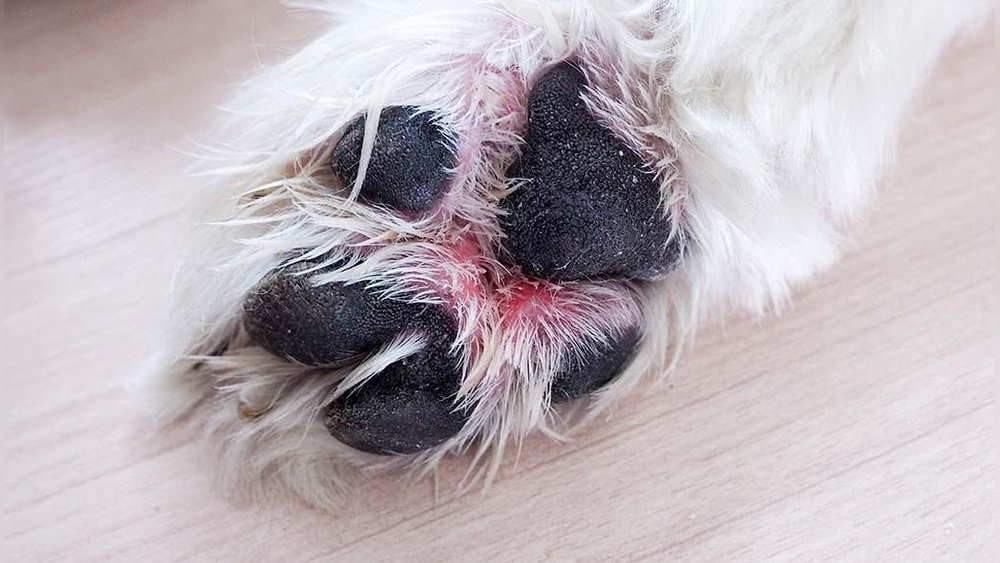
Dogs with itchy paws often lick or chew their feet. You might see redness or swelling between toes. Cracked or dry skin is another sign. Sometimes, the fur stains reddish-brown from saliva. Your dog may also limp or avoid walking. Scratching with back legs is common too. These symptoms show your dog needs help.
When To See A Vet
Seek a vet’s help if symptoms last more than a few days. Visit immediately if you see open sores or bleeding. A strong foul smell from the paws is a warning. If your dog shows pain or stops walking, don’t wait. Persistent itching could mean infection or allergy. A vet can diagnose and provide proper treatment.
Causes Of Itchy Paws
Itchy paws can cause your dog great discomfort. Understanding the causes helps in providing the right care. Many factors may lead to this problem, ranging from allergies to infections. Identifying the cause is the first step to relief.
Allergies And Sensitivities
Dogs can develop allergies to food or substances in the environment. Common allergens include pollen, dust mites, and certain proteins in food. These allergies make their paws itchy and inflamed. Sometimes, they may chew or lick their paws to relieve the irritation.
Infections And Parasites
Yeast and bacterial infections often cause paw itching. These infections create redness, swelling, and bad odor. Parasites like fleas and mites also irritate the skin. Untreated infections or parasites may worsen the discomfort and lead to more problems.
Environmental Irritants
Grass, chemicals, and cleaning products can irritate a dog’s paws. Walking on hot pavement or rough surfaces may cause dryness and cracking. Moisture trapped between toes creates a perfect place for yeast to grow. These irritants make paws itchy and sore.
Immediate Home Relief
Immediate relief helps your dog feel better fast. It stops the itch and soothes sore paws. Simple home steps can calm irritation. Acting quickly can prevent more damage. Clean paws, use gentle soaks, and keep your dog from licking too much. These actions ease discomfort and protect healing.
Cleaning And Drying Paws
Wipe or rinse your dog’s paws after walks. Remove pollen, dirt, and grass that cause itching. Use lukewarm water and a soft cloth or gentle spray. Always dry paws carefully, especially between toes. Moisture trapped in fur can cause yeast growth and worsen itching.
Soothing Soaks And Rinses
Soak paws in cool green or chamomile tea. Brew tea bags and let the liquid cool completely. Dab or soak the irritated areas to reduce redness and inflammation. Epsom salt diluted in warm water also calms itchy skin. These natural soaks ease discomfort without harsh chemicals.
Preventing Excessive Licking
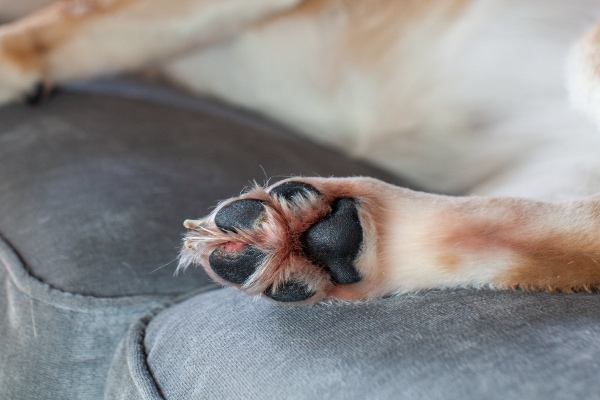
Dogs lick itchy paws to feel relief but often make it worse. Use a cone or recovery collar to stop licking. Apply pet-safe balms or creams that protect the skin. Breaking the itch-lick cycle helps sores heal faster. Keep your dog calm and distracted during this time.
Credit: toegrips.com
Natural Remedies
Natural remedies offer gentle relief for dogs with itchy paws. These options soothe irritation without harsh chemicals. Many pet owners find success with simple, safe treatments at home. Using natural ingredients can calm paws and reduce scratching. Below are effective remedies to try that support your dog’s comfort and skin health.
Oatmeal Baths
Oatmeal has natural anti-inflammatory properties. It helps reduce redness and itching quickly. Grind plain oatmeal into a fine powder. Mix it into warm water for a soothing bath. Let your dog soak for 10 to 15 minutes. This bath cleans and moisturizes dry, irritated paws. Repeat twice a week for the best results.
Herbal Teas And Balms
Herbal teas like chamomile and green tea calm irritated skin. Brew the tea and let it cool completely. Use a soft cloth to gently dab the affected paws. Herbal balms made from calendula or aloe vera also soothe and protect. These balms create a barrier to prevent further irritation. Apply the balm two times daily for relief.
Pet-safe Anti-itch Creams
Choose creams designed specifically for dogs to avoid harmful ingredients. Look for products with natural soothing agents like oatmeal or aloe. Apply a thin layer to the itchy areas as directed. These creams help reduce inflammation and stop the urge to scratch. Always check with your vet before starting new topical treatments.
Diet And Allergy Management
Diet and allergy management play a key role in easing your dog’s itchy paws. Many dogs suffer from allergies that cause paw irritation. These allergies often come from their food or environment. Adjusting your dog’s diet and identifying allergens can reduce symptoms. Proper nutrition supports skin health and speeds healing.
Elimination Diets
Elimination diets help find food triggers causing itching. This diet removes common allergens like beef, dairy, and wheat. After a few weeks, reintroduce foods one at a time. Watch for any signs of itching or discomfort. This process helps pinpoint which ingredients cause allergies. Always consult a vet before starting an elimination diet.
Identifying Food Allergies
Food allergies can cause constant paw licking and redness. Protein sources like chicken or lamb often trigger allergies. Some dogs react to grains or additives in their food. Your vet may suggest allergy testing or a special diet trial. Keeping a food diary helps track reactions to certain meals. Avoid giving table scraps or treats that may worsen symptoms.
Supplements For Skin Health
Supplements can improve skin condition and reduce inflammation. Omega-3 fatty acids from fish oil support healthy skin. Vitamin E helps repair damaged skin and reduces itching. Probiotics improve gut health, which may lower allergy symptoms. Add supplements slowly and watch for any changes. Always choose pet-specific supplements and ask your vet for advice.
Veterinary Treatments
Veterinary treatments play a key role in easing your dog’s itchy paws. They target the root cause of irritation and speed up healing. A vet can recommend safe, effective options based on your dog’s condition.
These treatments reduce inflammation, fight infections, and soothe discomfort. Early veterinary care helps prevent complications like sores or infections from constant licking and scratching.
Medicated Shampoos And Washes
Medicated shampoos clean your dog’s paws and kill bacteria or fungi causing itchiness. These shampoos contain ingredients like chlorhexidine or miconazole. Regular use controls infections and reduces odor.
Vets may also suggest special paw washes. These are gentle but effective for daily use. Washing removes allergens and irritants from your dog’s skin.
Anti-inflammatory Medications
Anti-inflammatory drugs reduce swelling and pain in your dog’s paws. These include steroids or non-steroidal anti-inflammatory drugs (NSAIDs). They help your dog feel more comfortable quickly.
Vets carefully dose these medications to avoid side effects. They may be given as pills, injections, or topical creams. Follow the vet’s instructions closely for best results.
When Prescription Treatments Are Needed
Persistent or severe itching often needs prescription treatments. These can include antibiotics for bacterial infections or antifungal medicines for yeast problems. Sometimes, allergy shots or special diets are recommended.
Prescription treatments target specific causes that home care cannot fix. A vet exam and tests help identify the exact problem. Early treatment prevents worsening and helps your dog heal faster.
Preventing Future Itchiness
Preventing future itchiness in your dog’s paws helps keep them comfortable and happy. Consistent care and mindful habits reduce irritation and the chance of infections. A few simple steps go a long way in protecting your dog’s paws from common causes of itchiness. Establishing good routines and avoiding triggers make a big difference in their paw health.
Regular Paw Care Routine
Check your dog’s paws daily for cuts, redness, or swelling. Clean their paws after every outdoor walk to remove dirt and allergens. Use a gentle pet-safe cleanser and warm water. Dry paws thoroughly, especially between toes, to prevent moisture buildup. Trim the hair around the paws to reduce debris collection. Regular nail trims help avoid scratches that can lead to infections.
Avoiding Common Triggers
Identify and limit exposure to substances that cause itching. Common triggers include lawn chemicals, salt, pollen, and certain grasses. Keep your dog away from treated lawns and freshly sprayed areas. Monitor for food allergies that may cause paw licking. Consult your vet to find potential allergens and adjust your dog’s environment and diet accordingly.
Protective Gear For Outdoor Walks
Use dog booties or paw protectors during walks on rough or hot surfaces. These protect paws from ice melt, hot pavement, and sharp objects. Choose comfortable, well-fitting gear to prevent rubbing or discomfort. Protective gear also shields paws from allergens and irritants. Regularly inspect and clean the gear to keep it hygienic and safe for your dog.
Frequently Asked Questions
Should I Give My Dog Benadryl For Itchy Paws?
Benadryl can help relieve your dog’s itchy paws but only under vet guidance. Incorrect dosage risks harm. Consult your vet first.
What Can I Give My Dog For Paw Licking And Scratching?
Clean your dog’s paws after walks to remove allergens. Use cool green tea soaks and pet-safe balms. Consider a cone to prevent licking. Consult a vet if redness, swelling, or odor appear.
What Is A Good Anti-itch Cream For Dogs’ Paws?
A good anti-itch cream for dogs’ paws contains hydrocortisone or oatmeal. Use pet-safe, vet-approved products for safety and effectiveness.
What Is Best For Dogs With Itchy Paws?
Best for dogs with itchy paws: rinse paws after walks to remove allergens, use cool green tea soaks, apply pet-safe balms, and prevent licking with a cone. Consult a vet for infections or persistent symptoms.
Conclusion
Helping your dog with itchy paws takes patience and care. Clean their paws regularly to remove irritants. Use gentle soaks to soothe redness and inflammation. Prevent licking to avoid worsening the problem. Watch for signs like swelling or bad odor.
These may need a vet’s attention. Adjusting their diet can reduce allergies over time. Small steps can make your dog more comfortable. Keep observing and caring for your pet’s paws daily. Healthy paws mean a happier, more active dog.