
Have you ever wondered how long your dog can survive without food or water? It’s a tough question, but knowing the answer could make all the difference in an emergency.
Your dog’s health depends heavily on regular meals and hydration, and even short periods without them can cause serious problems. If your furry friend suddenly refuses to eat or drink, or if you’re worried about their wellbeing, understanding the limits of survival without food and water is crucial.
You’ll discover the vital signs to watch for, how quickly dehydration and starvation can affect your dog, and when it’s time to seek urgent veterinary care. Keep reading—you owe it to your best friend to be prepared.
Survival Timelines For Dogs
Understanding how long a dog can survive without food and water is vital for every pet owner. Survival timelines vary based on the dog’s health, size, and environment. Knowing these timelines helps in recognizing emergencies early and acting fast.
Dogs rely on water and food for energy and body functions. Without these essentials, their bodies begin to shut down quickly. Below are survival timelines based on different conditions of deprivation.
No Food And No Water
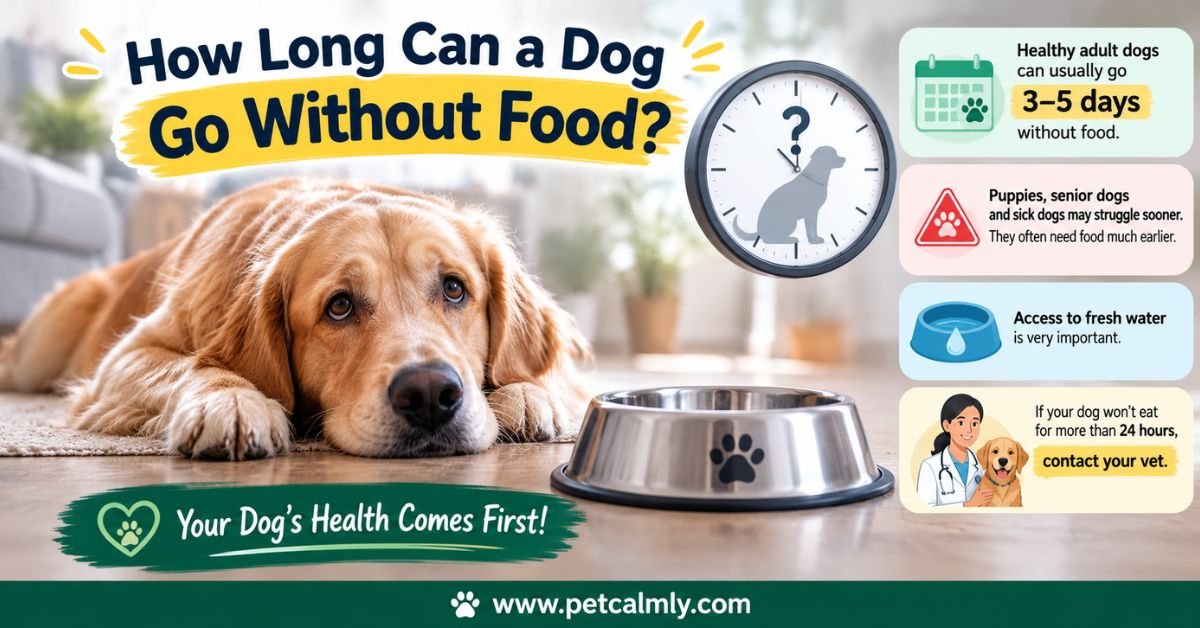
Without both food and water, a dog can survive only a few days. Typically, survival lasts about 3 to 5 days. Dehydration causes organ failure faster than starvation. Water loss leads to thickened blood and heat regulation problems. Immediate veterinary care is critical once a dog stops eating and drinking.
No Water Only
Dogs need water more urgently than food. Without water but with food, survival lasts about 3 to 7 days. Water keeps the blood flowing and controls body temperature. In hot weather, this time shortens drastically. Signs of dehydration appear quickly and worsen fast.
No Food Only
A dog can live longer without food if water is available. Survival can extend to 1 or 2 weeks. The body uses stored fat and muscle for energy. Still, lack of food weakens the immune system and causes weakness. Watch for signs of starvation and seek help if eating stops.
Credit: www.uahpet.com
Why Water Is Critical
Water keeps a dog’s body working properly. It supports every cell and organ. Without water, a dog’s health can decline rapidly.
Water helps carry oxygen and nutrients through the bloodstream. It also removes waste from the body. These processes stop or slow down without enough water.
Dogs lose water quickly by panting, especially in warm weather. Without water, their bodies cannot cool down. This can lead to serious health risks.
Blood Thickening Effects
Water keeps blood fluid and easy to pump. Without water, blood thickens. Thick blood makes the heart work harder to move oxygen.
This can cause the heart to slow or even fail. Thick blood also raises the risk of clots. Clots can block blood flow to vital organs.
Dehydration quickly leads to poor circulation. This harms organs and can cause shock. Shock is life-threatening and needs urgent care.
Temperature Regulation Failure
Dogs cool down mainly by panting. Panting uses moisture from the mouth and lungs. Without water, this cooling method fails.
When water is low, dogs cannot release heat properly. Their body temperature rises dangerously. High body temperature causes heatstroke.
Heatstroke damages organs and the brain. It can happen within hours without water. This is why water is critical in hot weather.
Risk Factors Affecting Survival
Several risk factors influence how long a dog can survive without food and water. These factors affect the dog’s ability to cope with hunger and dehydration. Understanding them helps in recognizing the urgency of the situation. Some dogs may endure longer, while others face faster health declines.
Each dog’s unique traits and environment play a role in survival time. The following sections explain key risk factors that impact a dog’s endurance without nourishment.
Small Breed Metabolism
Small breeds have faster metabolisms than larger dogs. They burn energy quickly and require regular food intake. Without food, their energy stores deplete rapidly. This fast metabolism causes quicker weakness and potential organ failure. Small dogs become vulnerable to starvation sooner.
Impact Of Climate
Hot and humid climates increase water loss through panting. Dogs lose moisture faster in warm weather. Dehydration sets in quickly without water available. Cold weather slows water loss but does not prevent dehydration. Extreme temperatures make survival without water more dangerous.
Medical Conditions
Dogs with medical issues face greater risks without food and water. Seniors, diabetics, or sick dogs have weaker systems. Their bodies cannot handle prolonged fasting or dehydration well. Illness can speed up the decline in health. Immediate care is critical for dogs with health problems.

Credit: campcaninesb.com
Signs Of Dehydration
Dehydration in dogs can become life-threatening quickly. Recognizing early signs helps prevent serious health issues. Dogs lose water through panting, urinating, and other normal activities. Without enough water intake, their bodies start to suffer. Watch for physical and behavioral changes that signal dehydration.
Dry Gums And Saliva
Healthy dog gums are usually moist and pink. Dry, sticky gums indicate a lack of moisture. Saliva may become thick or pasty. These are clear signs your dog needs fluids immediately. Check your dog’s mouth regularly for these symptoms.
Loss Of Skin Elasticity
Gently pinch the skin between your dog’s shoulder blades. Normally, the skin snaps back quickly. Slow return or “tenting” means dehydration. This happens because the skin loses its normal moisture and flexibility. This test is a quick way to check hydration at home.
Sunken Eyes
Sunken or dull eyes show severe dehydration. The eyes may look dry and tired. This occurs as the body pulls fluid from tissues to support vital organs. Notice any change in your dog’s eye appearance during a check-up.
Lethargy And Weakness
Dehydrated dogs often seem tired and weak. They may lie down more and avoid activity. Lack of energy is a strong sign the body is stressed. Immediate attention can prevent further health decline.
Blockage And Illness Indicators
Blockage and illness in dogs can lead to serious health problems. These conditions often cause a dog to stop eating and drinking. Recognizing the signs early can save your dog’s life. Be alert for sudden changes in behavior or physical condition. Understanding these indicators helps you act quickly.
Rapid Onset Symptoms
Blockages in the digestive tract cause symptoms to appear fast. A dog may suddenly refuse food and water. They might show signs of pain or distress. Rapid breathing and restlessness are common. The dog could also have a swollen belly. These symptoms need immediate veterinary care.
Vomiting And Lethargy
Vomiting is a key sign of illness or blockage. It often happens repeatedly and with little warning. Lethargy follows as the dog loses energy. The dog may lie down more and avoid movement. These signs show the body is under stress. Do not wait to seek help if vomiting and lethargy occur together.
When To Seek Veterinary Help
Knowing when to seek veterinary help is crucial if your dog stops eating or drinking. Dogs can survive only a short time without water, and even less without food in some cases. Early intervention can save your pet’s life.
Watch your dog closely. Changes in behavior or health need quick attention. Understanding warning signs helps you act fast.
Refusal To Eat Or Drink
A dog refusing food or water for more than 24 hours needs vet care. This behavior is serious. It might mean illness or pain.
Continuous refusal can lead to dehydration or organ failure. Do not wait for more symptoms. Immediate veterinary care can prevent complications.
Age And Breed Considerations
Young puppies and older dogs have weaker bodies. They cannot survive long without food or water. Small breeds lose fluids faster and need quicker care.
Breed and age affect survival time. A vet can assess risks based on these factors. Do not delay if your dog is very young, old, or a small breed.
Additional Warning Signs
Look for signs like vomiting, diarrhea, weakness, or pale gums. These symptoms indicate dehydration or serious health issues. Breathing problems or seizures also require immediate help.
Any sudden change in your dog’s condition means a vet visit. Early diagnosis improves treatment success and recovery speed.
Encouraging Hydration And Nutrition
Encouraging hydration and nutrition is crucial when a dog refuses food or water. Proper care helps prevent dehydration and malnutrition. It supports recovery and maintains energy levels. Small steps can make a big difference in your dog’s health. Understanding safe methods to encourage drinking is the first step.
Safe Methods To Encourage Drinking
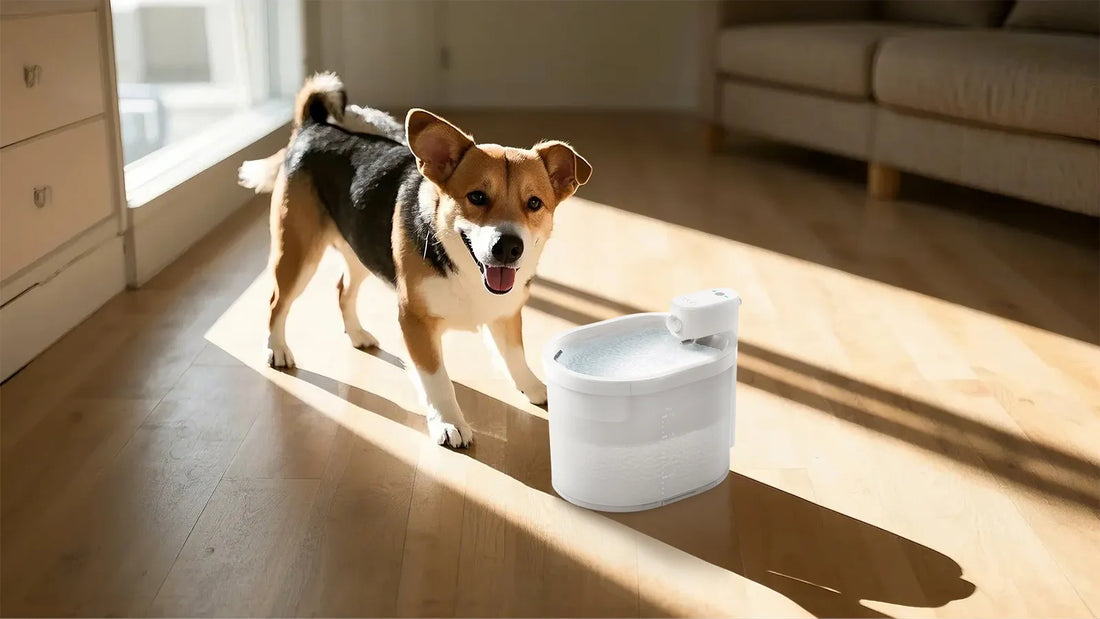
Offer fresh, clean water frequently. Change the water often to keep it appealing. Use a shallow bowl to make drinking easier. Adding a splash of low-sodium broth can entice your dog. Some dogs prefer water from a pet fountain. Place water bowls in quiet, comfortable spots. Avoid forcing water, which may cause stress.
Monitoring Food Intake
Observe how much your dog eats daily. Note any changes in appetite or food preferences. Offer small, frequent meals instead of large portions. Soft or wet food may be easier to eat. Warm the food slightly to enhance smell and taste. Keep a food diary to track intake and patterns. Alert your vet if appetite drops for more than 24 hours.
Emergency Care Tips
Recognize signs of severe dehydration or starvation immediately. Symptoms include weakness, dry gums, and sunken eyes. Provide water using a syringe if your dog won’t drink. Do not force-feed solid food without veterinary advice. Contact your vet urgently for prolonged refusal to eat or drink. Early intervention can save your dog’s life. Prepare to transport your dog safely to the clinic.
Credit: petcalmly.com
Frequently Asked Questions
How To Tell If A Dog Is Nearing The End Of Life?
A dog nearing end of life may stop eating and drinking, become weak, lethargic, and show breathing changes. Eyes may appear sunken, gums dry, and skin lose elasticity. Behavioral changes like confusion or withdrawal also indicate decline. Consult a vet for assessment and care guidance.
When A Dog Stops Eating And Drinking, How Long Will They Live?
A dog can survive about 3 to 5 days without water and up to a week without food. Survival time varies by age, health, and environment. Lack of water causes rapid dehydration, which can be fatal within days. Seek veterinary care immediately if your dog stops eating and drinking.
How To Tell If A Dog Died From Dehydration?
Signs a dog died from dehydration include sunken eyes, dry gums, loss of skin elasticity, extreme weakness, and lethargy.
How Quickly Will A Dog Show Signs Of A Blockage?
A dog may show signs of blockage within a few hours to 24 hours after ingestion. Early symptoms include vomiting, lethargy, and loss of appetite. Prompt veterinary care is essential to prevent serious complications or death.
Conclusion
Dogs cannot survive long without water; only a few days at most. Without food, they may last about one to two weeks if water is available. Small breeds and sick dogs face higher risks and shorter survival times. Watch for signs like dry gums, sunken eyes, and weakness.
Always seek veterinary help quickly if a dog stops eating or drinking. Prompt action can save your pet’s life. Keep water and food available and monitor their health closely. Prevention is better than cure when it comes to your dog’s well-being.