
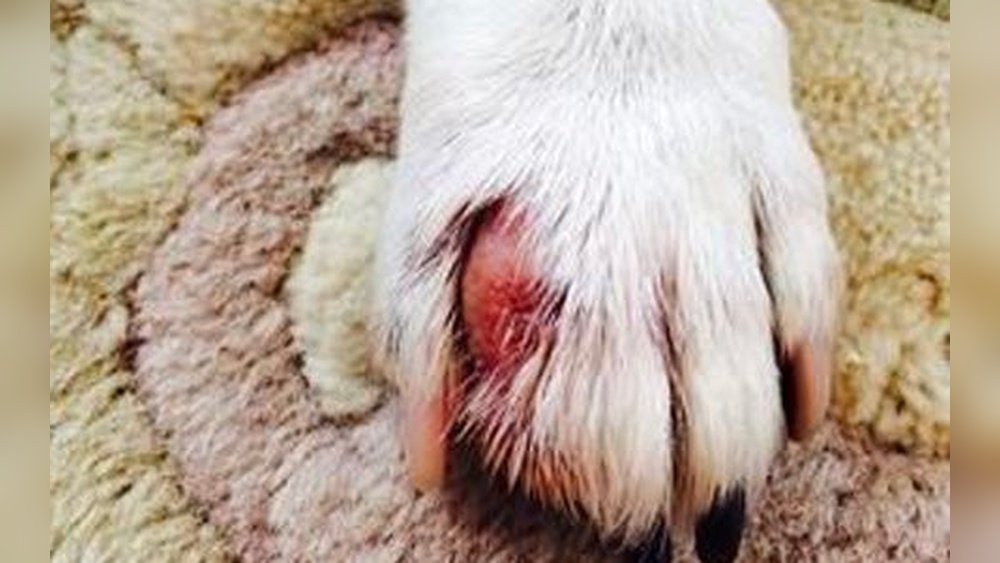
Is your dog constantly chewing on his paws, leaving you worried and unsure what to do? You’re not alone—this common behavior can be frustrating and might signal discomfort or stress your furry friend is experiencing.
But don’t panic just yet. By understanding why your dog chews his paws and learning simple, effective ways to stop it, you can help your pet feel better and keep those paws healthy. You’ll discover easy steps you can take at home, how to protect your dog’s paws, and when it’s time to get professional help.
Keep reading to find out how to bring relief to your dog and peace of mind to you.
Check For Injuries And Irritants
Physical barriers can effectively stop a dog from chewing his paws. They block access to the paws, giving time for healing. Barriers also reduce irritation caused by licking or biting. Use these tools along with proper care and vet advice.
E-collars And Inflatable Collars
E-collars, or cones, prevent dogs from reaching their paws. They come in plastic or inflatable forms. Inflatable collars are softer and more comfortable. Both types keep dogs from chewing and licking raw or injured areas. Choose the right size for a snug fit without choking.
Cover Paws With Socks Or Booties
Socks or booties protect paws from chewing and outside dirt. Use clean, breathable materials to avoid moisture buildup. Change socks regularly to keep paws dry. Booties also provide extra grip for walking. Make sure they fit well and do not irritate the skin.
Proper Use Of Vet Wrap
Vet wrap offers flexible, gentle support for injured paws. Wrap the paw lightly, covering affected areas without cutting off circulation. Avoid wrapping too tight, which can cause swelling. Vet wrap can hold bandages in place and stop dogs from chewing wounds. Replace the wrap often to keep the paw clean and dry.

Credit: extintoresmanzano.com
Use Physical Barriers
Maintaining proper paw hygiene helps reduce your dog’s urge to chew paws. Clean paws prevent dirt, allergens, and infections. Regular care keeps paws healthy and comfortable.
Wash And Dry Paws After Walks
After each walk, gently wash your dog’s paws with warm water. Remove mud, grass, and tiny stones stuck between toes. Dry the paws thoroughly to prevent moisture buildup. Wet paws can cause irritation and infections. Use a soft towel or cloth for drying. Clean, dry paws feel better and reduce chewing.
Remove Outdoor Allergens And Dirt
Outdoor allergens like pollen and dust can cause itching. Rinse paws after outdoor play to remove these irritants. Dirt and chemicals from sidewalks can also harm your dog’s skin. Use a mild pet-safe cleanser to wash paws if needed. Keeping paws free of allergens lessens discomfort and chewing behavior.
Use Medicated Shampoos Or Wipes
Medicated shampoos or wipes help treat infections and soothe irritated skin. Choose products made for dogs with sensitive paws. Follow vet advice for the right medicated product. Regular use can reduce redness, itching, and chewing. Clean paws with medicated wipes after walks for extra protection.
Maintain Paw Hygiene
Chewing paws often signals allergies or skin problems. These issues cause discomfort and itching. Addressing allergies and skin conditions helps reduce paw chewing. Knowing the root cause is key to effective treatment.
Identify Environmental Allergens
Environmental allergens include pollen, dust, and mold. These irritate your dog’s skin and paws. Check if symptoms worsen during certain seasons. Clean your dog’s paws after outdoor walks. Use mild shampoos to remove allergens. Consult a vet for allergy tests and treatment options.
Consider Food Allergies
Food allergies often cause paw chewing and redness. Common allergens are beef, chicken, dairy, and grains. Try an elimination diet with vet guidance. Observe if symptoms improve with diet changes. Hypoallergenic dog food may help reduce reactions. Food allergy tests also assist in identifying triggers.
Treat Yeast And Bacterial Infections
Chewing can result from yeast or bacterial infections. These infections thrive in moist areas like paws. Look for redness, swelling, or bad odor. Clean paws regularly and keep them dry. Your vet may prescribe antifungal or antibiotic medication. Proper treatment stops infection and reduces chewing.
Address Allergies And Skin Issues
Stress and anxiety can cause dogs to chew their paws. This behavior helps them cope but can harm their skin. Reducing anxiety lowers the urge to chew. Creating a calm and engaging environment supports your dog’s well-being.
Provide Mental And Physical Stimulation
Dogs need regular exercise to stay calm and healthy. Daily walks, playtime, and training challenge their minds and bodies. Puzzle toys and treat games keep their brain busy. A tired dog is less likely to chew paws out of boredom or stress.
Use Distraction Techniques
Redirect your dog’s attention when you see paw chewing. Offer a favorite toy or start a fun activity. Use gentle commands like “leave it” to interrupt the habit. Consistent distraction teaches your dog new ways to cope with anxiety.
Consider Behavior Aids And Calming Sprays
Calming aids help reduce nervousness in some dogs. Products like pheromone sprays, collars, or diffusers create a soothing environment. Natural supplements may also ease stress. Always consult a vet before using behavior aids to ensure safety.
Manage Pain And Discomfort
Consulting a veterinarian is a crucial step to stop your dog from chewing his paws. A vet can find the root cause and recommend the right treatment. Paw chewing often signals more than just a bad habit. It may indicate pain, allergies, or infections that need medical attention.
Professional advice ensures your dog gets proper care and relief. Avoid guessing or trying treatments without guidance. Your vet’s expertise protects your dog’s health and comfort.
Rule Out Serious Medical Conditions
First, the vet checks for serious issues causing paw chewing. These include infections, allergies, and injuries. The vet may examine the paws closely and run tests. Identifying medical problems early prevents complications. Treating these conditions stops the chewing behavior.
Discuss Medication Options
The vet may suggest medications to ease itching or pain. Options include antibiotics, antifungal drugs, or anti-inflammatory medicines. Some dogs benefit from allergy treatments or special shampoos. Medication helps control symptoms and heal the paws quickly. Follow the vet’s advice on dosage and duration.
Follow Vet’s Treatment Plan
Stick to the treatment plan your vet creates. This may include medication, paw care, and follow-up visits. Monitor your dog’s progress and report any changes. Proper care speeds recovery and stops paw chewing. Consistency is key to helping your dog feel better.

Credit: www.lynax.cz
Frequently Asked Questions
Is It Normal For My Dog To Chew His Paws?
Chewing paws can be normal but often signals allergies, pain, or stress. Monitor your dog and consult a vet if it persists.
Will Benadryl Help My Dog Stop Licking His Paws?
Benadryl may reduce itching if allergies cause paw licking. Always consult your vet before giving it to your dog.
What Medication Can I Give My Dog To Stop Licking His Paws?
Consult your vet first. Common medications include antihistamines, antibiotics, antifungals, or steroids to treat allergies, infections, or inflammation. Avoid giving human meds without veterinary guidance.
What Are Some Home Remedies For A Dog Chewing On Its Leg?
Check paws for cuts or irritations. Clean and dry them regularly. Use an Elizabethan collar or sock to prevent chewing. Apply soothing oatmeal baths or aloe vera. Provide chew toys to reduce anxiety. Consult a vet for allergies or infections.
Conclusion
Stopping your dog from chewing his paws takes patience and care. Always check paws for injuries or irritations first. Keep paws clean and dry after walks. Use barriers like cones or socks to prevent chewing. Visit your vet to find any allergies or infections.
Treating the root cause helps your dog feel better. Consistency and gentle care will reduce this habit over time. Your dog will thank you with happier, healthier paws.