
Have you ever wanted to capture a special moment with your dog in a truly unique way? Getting your dog’s paw print is a beautiful keepsake that lets you hold onto a piece of your furry friend forever.
But maybe you’re wondering, “How do I get my dog’s paw print without making a mess or stressing my pet? ” Don’t worry—you’re not alone, and it’s easier than you think. Whether you want a neat inkless print or a fun clay impression, this guide will walk you through simple, safe, and effective methods.
Keep reading to discover the best tips and tricks that will help you get a perfect paw print you’ll cherish forever.
Gather Supplies
Gathering the right supplies is the first step to capturing your dog’s paw print. Choose materials that are safe and comfortable for your pet. Prepare everything before you begin to make the process smooth and quick.
Inkless Pads
Inkless pads are easy and clean. They do not leave any mess on your dog’s fur. Press your dog’s paw on the pad, then onto paper. The print appears without any ink or stains. This method is gentle and perfect for sensitive paws.
Non-toxic Paint
Use non-toxic, washable paint for a colorful paw print. Lightly cover the paw pads with paint. Press the paw onto thick cardstock or paper. Wash your dog’s paw right after to keep it clean. This method works well for bright, clear prints.
Modeling Clay And Salt Dough
Soft modeling clay or homemade salt dough captures detailed prints. Roll out the clay or dough flat. Press your dog’s paw firmly into the surface. Let the clay dry or bake the dough to keep the print. These materials create lasting keepsakes you can display.
Prepare Your Dog’s Paw
Preparing your dog’s paw is the first step to getting a clear, lasting paw print. Clean, neat paws create the best prints. This preparation helps avoid smudges and unclear marks. It also keeps your dog comfortable during the process.
Trim Fur And Nails
Trim the fur around the paw pads carefully. Long fur can blur the paw print edges. Also, clip your dog’s nails short. Sharp nails may scratch the paper or clay. Use pet-safe scissors or nail clippers. Take your time and be gentle to avoid stress.
Clean The Paw
Wipe your dog’s paw with a damp cloth to remove dirt and debris. A clean paw ensures a neat print. Avoid soaking the paw; it should be just damp. Dry the paw lightly with a soft towel. This step prevents smudging and helps the material stick evenly.
Calm Your Dog
Keep your dog relaxed before and during the process. Use a calm voice and gentle petting. Give treats as rewards for cooperation. Have a helper hold your dog if needed. A calm dog stays still, making the paw print sharper and easier to capture.
Get The Paw Print
Capturing your dog’s paw print creates a lasting memory. You can choose from simple methods to suit your needs. Each method offers a unique way to preserve the print safely and clearly. Preparing your dog’s paw first will help get a clean print.
Trim the fur and nails around the paw to avoid smudges. Keep your dog calm and steady during the process. Having a helper hold the other paw up can encourage better pressure. Below are three popular ways to get your dog’s paw print.
Using Inkless Pads
Inkless pads are clean and easy to use. They do not leave ink on your dog’s fur. Press your dog’s paw gently on the pad. Then, press the pad onto a special card or paper. This transfers the print without mess.
Inkless pads are safe for pets and give clear details. Use slow, steady pressure for the best result. Lift your dog’s paw straight up to avoid smudges. This method works well for dogs who dislike paint or clay.
Using Paint
Washable, non-toxic paint works well for paw prints. Apply a thin layer of paint on your dog’s paw pads. Use a brush or sponge for even coverage. Place a sturdy paper or cardstock under the paw.
Gently press your dog’s paw down and lift it straight up. Avoid sliding the paw to keep the print sharp. Clean your dog’s paw quickly with a wet cloth. This method offers vibrant and colorful prints.
Using Clay Or Dough
Soft clay or homemade salt dough captures 3D paw prints. Roll out the material on a flat surface. Press your dog’s clean paw firmly into the clay or dough. Hold for a few seconds to get the details.
Carefully lift the paw straight up to avoid smudging. Let the clay dry or bake the dough as needed. This method creates a lasting keepsake that you can display. Clay and dough prints show every ridge and pad shape clearly.
Avoid Common Mistakes
Getting a clear paw print from your dog can be tricky. Avoiding common mistakes helps you capture the perfect print. Small errors can ruin the print or stress your dog. Follow these tips to make the process smooth and easy.
Prevent Smudging
Lift your dog’s paw straight up after pressing it down. Do not drag or slide the paw across the paper or clay. A straight lift keeps the print sharp and clear. Use light pressure to avoid squishing the paw. Too much pressure can blur the details.
Proper Paw Placement
Place your dog’s paw evenly on the surface. Make sure all toes touch the paper or clay. Press down gently but firmly for a good imprint. Avoid tilting the paw, which can cause incomplete prints. Having a flat surface helps keep the paw steady.
Handling A Wiggly Dog
Stay calm and patient with your dog. Use treats or toys to keep their attention. Ask someone to gently hold the opposite paw up. This helps your dog put weight on the paw you want to print. Take breaks if your dog gets restless.
Preserve The Print
Preserving your dog’s paw print keeps the memory alive for years. The print captures a moment of your pet’s unique life. Proper preservation protects the details and prevents damage. Different materials require different care methods. Choose the best approach for your print’s material.
Drying And Baking Clay
Clay paw prints must dry completely to harden. Air-dry clay can take several days to set. Place the print in a cool, dry area away from direct sunlight. Avoid touching the print during drying to keep details sharp. Oven-bake clay according to package instructions. Usually, bake at a low temperature for 15-30 minutes. Let the clay cool fully before handling. Baking makes the print sturdy and durable.
Protecting Paper Prints
Paper prints need protection from moisture and fading. Use a spray fixative or clear acrylic spray to seal the print. Spray lightly in a well-ventilated area. Let the print dry flat on a clean surface. Store the print away from sunlight to prevent colors from fading. Place the paper in a plastic sleeve or between sheets of acid-free paper. Keep it in a cool, dry place to avoid warping or yellowing.
Framing And Displaying
Framing shows off your dog’s paw print beautifully. Choose a frame that fits the print size exactly. Use acid-free mats to protect the print inside the frame. Glass or acrylic covers shield the print from dust and damage. Hang the frame in a place with indirect light. Avoid spots with high humidity or temperature changes. Rotate the display location occasionally to prevent fading.

Credit: www.legnonord.com
Creative Paw Print Ideas
Capturing your dog’s paw print offers a unique way to celebrate your bond. Using creative ideas turns a simple print into a cherished memory. These ideas also make great gifts for pet lovers.
Keepsake Jewelry
Transform your dog’s paw print into beautiful jewelry. Many artisans create custom necklaces, bracelets, or rings with paw print designs. You can use a clay or ink impression to craft the piece. These items keep your pet close to your heart every day.
Custom Artwork
Turn a paw print into a stunning piece of art. Artists can paint or sketch around the print, making it the centerpiece. Use bright colors or simple black ink for contrast. This artwork fits nicely in your home or office, reminding you of your furry friend.
Tattoo Inspiration
Many pet owners choose their dog’s paw print for tattoos. The print makes a small, meaningful tattoo design. It symbolizes loyalty and love. A tattoo artist can recreate the exact shape from your dog’s print. This permanent mark honors your pet’s place in your life.
Tips For Different Dog Sizes
Getting a paw print from your dog requires different approaches based on their size. Small and large breeds have unique paw shapes and temperaments. Adjusting your method helps capture a clear, beautiful print. Preparing your dog and choosing the right materials make the process smooth and fun.
Small Breeds
Small dogs have delicate paws that need gentle handling. Use soft clay or an inkless pad designed for fine details. Trim fur and nails carefully to avoid smudges. Press the paw lightly but firmly to get a clear print. A helper can hold their opposite paw to keep balance. Work quickly to prevent your dog from getting restless.
Large Breeds
Large dogs have bigger paws that require sturdier materials. Use thick modeling clay or heavy cardstock with washable paint. Trim nails and fur around the pads for sharp edges. Apply steady pressure to capture all details without causing discomfort. Enlist help to lift other paws, so your dog stays calm. Take breaks if your dog seems stressed or tired.

Credit: www.dalmatiandiy.com
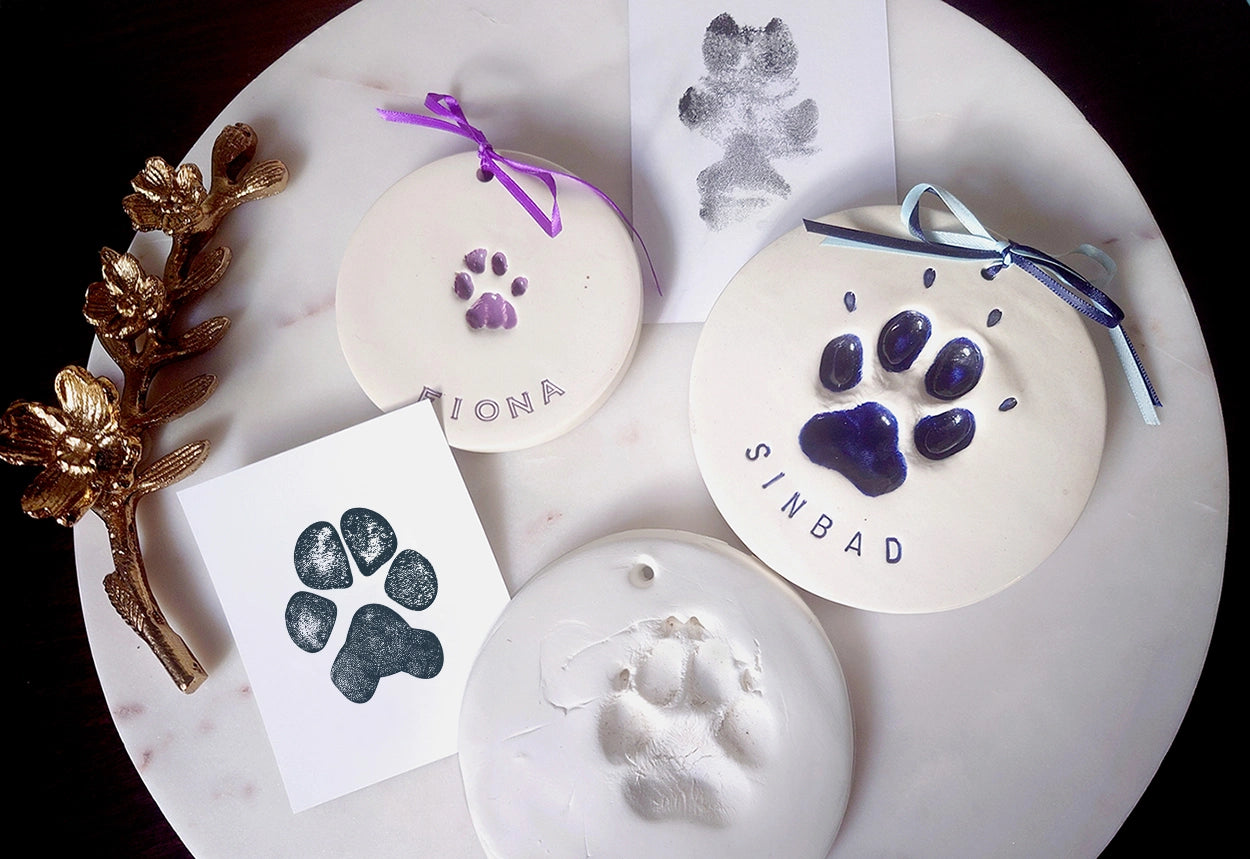
Credit: www.flutterbyeprints.com
Frequently Asked Questions
How Do I Get An Imprint Of My Dog’s Paw?
Trim your dog’s paw fur and nails. Press the paw gently onto a clean, non-toxic ink pad or soft clay. Transfer the print carefully to paper or let the clay dry for a lasting imprint. Hold the opposite paw up to ensure a clear, firm print.
Do Vets Do Ink Paw Prints?
Yes, many vets offer ink paw prints using pet-safe, non-toxic ink pads for keepsakes or identification purposes.
How Can I Get My Dog’s Paw Print Without Ink?
Use a non-toxic modeling clay or salt dough to press your dog’s clean paw firmly for a clear print. Trim fur and nails first.
What Can I Use To Get A Paw Print Of My Dog?
Use a pet-safe, mess-free ink pad or press your dog’s trimmed paw into non-toxic clay or washable paint for a clear print.
Conclusion
Getting your dog’s paw print can be simple and fun. Choose a method that suits your dog’s comfort. Prepare the paw by trimming fur and nails for a clear print. Use gentle pressure and lift the paw straight up to avoid smudges.
With a little patience, you will have a lovely keepsake. Remember, every dog is different—take your time and enjoy the process. This way, you create a special memory you can cherish forever.