
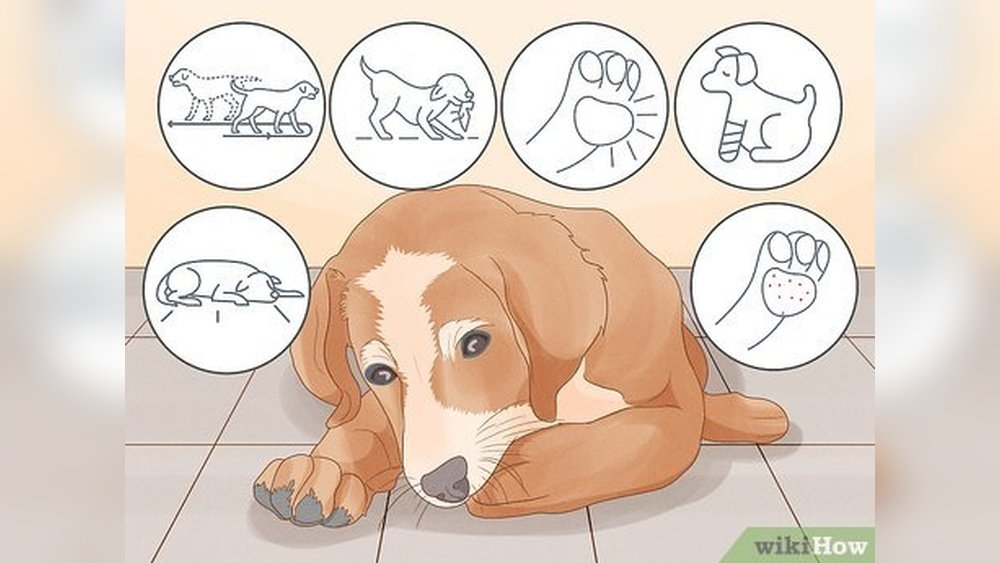
Is your dog constantly biting or chewing their paws? It can be frustrating to watch, and you might be worried about what’s causing this behavior.
Paw biting isn’t just a bad habit—it often signals discomfort, allergies, or even anxiety. If you want to help your furry friend feel better and stop the cycle of paw chewing, you’re in the right place. You’ll discover simple, practical steps to identify the problem and put an end to your dog’s paw biting once and for all.
Keep reading, because your dog’s comfort and happiness depend on it!

Credit: www.savannahcams.com
Reasons Dogs Bite Their Paws
Dogs bite their paws for many reasons. This behavior often signals discomfort or stress. Understanding why dogs bite paws helps find the right solution. Some causes relate to health, others to emotions. Identifying the root cause is key to stop this habit.
Allergies And Irritants
Many dogs bite paws due to allergies. These can come from food or the environment. Pollen, dust, or chemicals can irritate their skin. Allergies cause itching, leading dogs to bite and chew. This can worsen if not treated quickly.
Infections And Injuries
Infections often cause paw biting. Bacteria, yeast, or fungi can infect the skin. Small cuts or scrapes may become painful. Dogs try to relieve the pain by biting. Untreated wounds can get worse and need veterinary care.
Anxiety And Stress
Stress also makes dogs bite their paws. Changes in routine or loud noises can trigger anxiety. Paw biting becomes a way to cope. It acts like a comfort behavior for nervous dogs. Addressing stress can reduce this habit significantly.
Parasites And Pain
Parasites like fleas and ticks cause intense itching. Dogs bite paws to remove these pests. Pain from arthritis or other conditions may also lead to biting. The discomfort pushes dogs to chew for relief. Checking for parasites is important in these cases.
Checking Your Dog’s Paws
Checking your dog’s paws is the first step to stop paw biting. Healthy paws mean a happy dog. Regular checks help find problems early. Catching issues fast can prevent pain and infection. Take time to inspect each paw carefully. Use gentle hands and calm your dog. This builds trust and makes future checks easier.
Inspecting For Cuts And Redness
Look closely at the paw pads and skin. Small cuts or scrapes can cause discomfort. Redness shows irritation or infection. Check both the top and bottom of the paws. Pay special attention to areas between the toes. Even tiny wounds can lead to biting or licking. Clean any cuts gently with mild soap and water. Avoid harsh chemicals that can hurt sensitive skin.
Looking For Foreign Objects
Check between toes for thorns, splinters, or stones. These objects can get stuck and cause pain. Remove any debris carefully with tweezers. Be gentle to avoid causing more harm. Foreign objects often cause dogs to bite their paws. Keep your dog’s walking area clean and safe. Inspect paws after outdoor walks or playtime.
Noticing Signs Of Swelling Or Heat
Swelling means inflammation or injury. Feel the paw and compare it to the others. Warmth can be a sign of infection. If a paw feels hotter, your dog might be in pain. Swollen paws need veterinary attention. Do not ignore these signs. Early care can stop problems from worsening. Record any changes you notice for your vet.
Protecting Paws From Further Damage
Protecting your dog’s paws from further damage is essential to help them heal. Continuous biting or licking can cause wounds, infections, and pain. Take immediate steps to shield their paws and reduce discomfort. Using physical barriers and proper care creates a safe healing environment. This also prevents worsening of the problem and promotes faster recovery.
Using E-collars And Inflatable Collars
E-collars stop dogs from reaching their paws with their mouths. These collars act as a physical barrier around the neck. They prevent biting or licking that can worsen paw injuries. Inflatable collars are a softer alternative. They allow more comfort while still blocking paw access. Both types protect paws effectively during healing.
Applying Socks Or Paw Covers
Covering paws with socks or paw protectors limits direct contact. These covers shield wounds and irritated skin from dirt and further biting. Choose breathable, well-fitting socks to avoid discomfort. Change covers daily to keep paws clean. This method helps reduce paw damage and supports healing.
Keeping Paws Clean And Dry
Clean paws prevent infection and soothe irritated skin. Wash paws gently with warm water and mild soap. Dry them thoroughly, especially between the toes. Moist environments encourage bacteria and yeast growth. Regular cleaning and drying reduce irritation and paw biting urges. Healthy paws heal faster and feel more comfortable.

Credit: www.kohaisushi.pl
Treating Underlying Medical Issues
Dogs often bite their paws due to discomfort caused by medical problems. Treating these issues is key to stopping the behavior. Ignoring the root cause may lead to more pain and damage. Careful examination and proper treatment can bring relief to your pet.
Addressing Allergies And Skin Conditions
Allergies can irritate a dog’s skin and paws. Common allergens include pollen, food, and chemicals. This irritation causes itching and paw biting. Use hypoallergenic shampoos and change your dog’s diet if needed. Regularly clean your dog’s paws to reduce exposure to allergens.
Managing Infections And Yeast
Infections and yeast can cause redness, swelling, and itching. These problems often develop between the toes and pads. Keep your dog’s paws dry and clean. Your vet may prescribe antifungal or antibiotic treatments. Early treatment helps prevent worsening symptoms.
Consulting Your Veterinarian
A vet can diagnose the exact cause of paw biting. They may perform skin tests or lab work. Follow the vet’s advice on medications and care routines. Regular check-ups ensure the problem is under control. Don’t delay professional help for persistent paw biting.
Behavioral Solutions To Stop Biting
Behavioral solutions play a key role in stopping dogs from biting their paws. These methods help change the dog’s focus and reduce the urge to bite. By understanding and addressing the behavior, owners can improve their dog’s comfort and well-being.
Using simple, clear steps can make a big difference. Consistent effort helps your dog learn new habits. These approaches also strengthen the bond between you and your dog.
Distracting And Redirecting
Distract your dog when it starts biting its paws. Offer a favorite toy or chew bone instead. This shifts their attention away from the paws.
Use commands like “sit” or “stay” to stop the biting. Reward your dog with praise or treats for good behavior. This encourages them to focus on positive actions.
Using Bitter Sprays And Deterrents
Bitter sprays taste unpleasant and discourage biting. Apply these sprays to your dog’s paws carefully. Make sure to choose pet-safe products to avoid harm.
Repeat the application as needed, especially after walks or baths. Your dog will learn to avoid biting due to the bad taste. This method works best when combined with other training techniques.
Increasing Exercise And Mental Stimulation
A tired dog is less likely to bite its paws. Increase daily exercise with walks, playtime, or running. Physical activity helps reduce stress and boredom.
Mental games like puzzle toys or obedience training also help. These activities keep your dog’s mind busy and happy. A well-exercised and mentally stimulated dog bites less.

Credit: strat-analytics.com
Home Remedies For Paw Biting
Home remedies can help soothe your dog’s itchy paws and reduce biting. These simple treatments calm irritation and keep paws healthy. Regular care prevents problems and improves comfort. Try easy steps at home before seeking advanced help.
Soothing Paw Baths
Give your dog a warm paw bath to ease itching. Use lukewarm water with a little oatmeal or baking soda. Soak paws for 5 to 10 minutes. This reduces inflammation and cleans dirt and allergens. Dry paws gently to avoid more irritation.
Natural Anti-itch Treatments
Apply natural remedies like coconut oil or aloe vera gel on the paws. These soothe skin and fight bacteria. Use a small amount and rub it gently. Avoid harsh chemicals that can worsen biting. Repeat daily for best results.
Maintaining Regular Paw Care
Keep your dog’s paws clean and trimmed. Check for cuts, thorns, or redness often. Wash paws after walks to remove dirt and allergens. Dry paws well, especially between the toes. Regular care stops infections and keeps your dog comfortable.
Preventing Paw Biting Long-term
Stopping your dog from biting paws requires ongoing care and attention. Long-term prevention helps keep your dog comfortable and healthy. It also reduces the chance of infections or injuries caused by constant biting.
Focus on regular checks, managing allergies, and reducing stress. These steps help maintain your dog’s paw health and overall well-being.
Regular Paw Inspections
Look at your dog’s paws daily. Check between toes and pads for cuts, dirt, or swelling. Early detection of problems prevents serious issues. Clean paws gently to remove irritants. Trim nails carefully to avoid pain. Regular inspections stop paw biting before it starts.
Allergy Management Plans
Many dogs bite their paws due to allergies. Identify allergens like food or pollen through vet tests. Follow a vet’s advice to reduce exposure. Use special shampoos or medications as directed. A strong allergy plan keeps your dog’s skin calm. This lowers the urge to bite and lick paws.
Stress Reduction Techniques
Stress often causes dogs to chew their paws. Provide a calm, safe environment for your pet. Offer toys and activities to keep your dog busy. Regular exercise helps release nervous energy. Practice gentle training to build confidence. Reducing stress improves your dog’s mood and stops paw biting behavior.
Frequently Asked Questions
What Can I Give My Dog For Biting His Paws?
Give your dog an Elizabethan collar or a clean sock to prevent biting. Clean paws regularly and consult a vet for allergies or infections.
What Can I Put On My Dog’s Paws So They Stop Biting Them?
Apply a vet-approved bitter spray or paw balm to deter biting. Keep paws clean, dry, and check for injuries. Consult a vet for allergies or infections.
Will Benadryl Help My Dog Stop Licking His Paws?
Benadryl may reduce itching if allergies cause paw licking. Consult your vet before giving any medication to your dog.
Why Is My Female Dog Biting Her Paws?
Your female dog may bite her paws due to allergies, injuries, infections, or anxiety. Examine her paws and consult a vet for proper treatment.
Conclusion
Stopping your dog from biting paws takes patience and care. Check their paws often for cuts or irritation. Use protective gear like a cone or sock when needed. Keep paws clean and dry to reduce itching. Visit the vet to find and treat any allergies or infections.
Watch your dog’s behavior to catch problems early. Consistent care helps your dog feel comfortable and happy. Small steps make a big difference in paw health. Your dog will thank you with less biting and more play.