
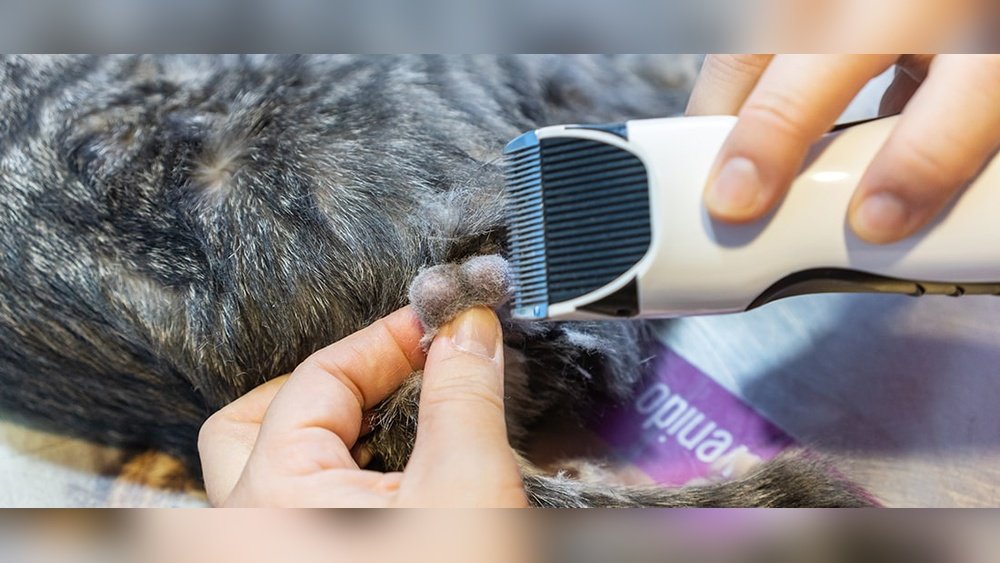
If you have a male cat, you’ve probably wondered, “How much is it to get a male cat fixed?” It’s a common question, and knowing the cost upfront can help you plan better for your furry friend’s health. Getting your cat neutered is important—not just to prevent unwanted litters, but also to keep him healthier and happier in the long run.
But the price can vary depending on where you live, the clinic you choose, and the services included. You’ll discover the typical costs involved, factors that affect the price, and some tips on finding affordable options without compromising care. Keep reading to find out exactly what you need to know before scheduling your cat’s neuter surgery.
Typical Neutering Costs
Neutering a male cat is a common procedure that helps control the pet population and improves your cat’s health. Understanding the typical costs involved can help you plan better. Prices vary depending on several factors, so it’s important to know what influences the cost.
Average Price Range
The average cost to neuter a male cat in the US usually falls between $50 and $150. Basic neutering surgery, including anesthesia and post-op care, is included in this price. Some clinics may offer discounts or package deals for multiple pets. Low-cost clinics and animal shelters often provide neutering services at reduced rates, sometimes under $50.
Factors Affecting Cost
Location plays a big role in the cost of neutering. Urban areas tend to have higher prices than rural ones. The type of clinic also matters; private vets usually charge more than nonprofit or shelter clinics. Additional services, like blood tests or pain medication, increase the total cost. Your cat’s age and health may require extra care, adding to the expense.
Comparison Of Clinic Fees
Private veterinary clinics often charge between $100 and $200 for neutering. These clinics provide full service and personalized care. Animal shelters and nonprofit clinics offer lower prices, sometimes as low as $30 to $80. Mobile clinics and special neuter/spay events are budget-friendly options. Always check what is included in the fee to avoid surprise costs.
Affordable Neutering Options
Neutering a male cat is an important step for his health and behavior. Many cat owners worry about the cost. Affordable neutering options make this procedure accessible for more families. Several resources offer low prices without sacrificing quality care. These options help prevent unwanted litters and reduce pet overpopulation.
Low-cost Clinics And Programs
Low-cost clinics offer neutering services at reduced fees. These clinics often work with local animal shelters or charities. They focus on providing basic yet safe care for pets. Prices at these clinics usually range from $50 to $100. Some clinics require appointments, while others accept walk-ins. This option is ideal for pet owners on a budget.
Humane Society Services
The Humane Society often runs spay and neuter programs. These programs provide services at discounted rates or for free. They prioritize pets from low-income households. The Humane Society staff are trained and experienced in animal care. Many locations also offer vaccinations and microchipping during the visit. This option supports both your cat and the community.
Mobile And Community Clinics
Mobile and community clinics bring neutering services directly to neighborhoods. These clinics operate from vans or temporary setups. They travel to different areas to reach more pet owners. Fees are typically lower than traditional veterinary offices. Mobile clinics often partner with local groups to spread awareness. This service is convenient and affordable for many families.
Timing For Neutering
Choosing the right time to neuter a male cat is important for his health and behavior. Neutering at the best age helps avoid health problems and unwanted behaviors. This section explains the ideal timing for neutering your male cat.
Ideal Age For Surgery
Most vets recommend neutering male cats between 4 and 6 months old. At this age, cats are old enough to handle surgery safely. Early neutering before puberty helps prevent unwanted behaviors. Some shelters neuter as early as 8 weeks. Your vet can advise the best age for your cat.
Benefits Of Early Neutering
Neutering early reduces the risk of spraying and roaming. It helps stop aggressive behavior related to mating instincts. Early surgery lowers the chance of testicular cancer and prostate problems. Cats recover faster and with fewer complications when neutered young.
Risks Of Delayed Procedure
Waiting too long to neuter increases the risk of unwanted litters. Older cats may develop territorial aggression and spraying. They also face higher chances of testicular diseases. Surgery can be more complicated for mature cats. Delaying neutering can lead to behavior problems and health issues.
Neutering Procedure Details
Understanding the neutering procedure helps pet owners prepare better. The process is straightforward and quick. It involves surgery, anesthesia, and careful pain management. Knowing what happens during each step eases any worry about your male cat’s safety and comfort.
Here is a clear breakdown of the neutering procedure details.
Surgery Overview
The surgery removes the testicles to prevent reproduction. It usually takes 10 to 20 minutes. A small incision is made in the scrotum or just in front of it. The veterinarian removes the testicles and closes the incision with stitches or glue. Most cats recover quickly and go home the same day.
Pain Management
Pain control is important during and after surgery. Vets give pain medicine to keep your cat comfortable. This can be a shot during surgery or medicine to take at home. Most cats show little pain after neutering. Still, watch for signs like licking the surgery site or hiding. Contact your vet if pain seems strong or lasts too long.
Anesthesia And Pre-surgery Tests
Your cat will receive anesthesia to stay asleep and pain-free during surgery. Before this, the vet may run simple blood tests. These tests check your cat’s health and ensure anesthesia is safe. The vet also asks about your cat’s medical history. Proper preparation lowers risks and helps the surgery go smoothly.
Post-surgery Care
Post-surgery care is important after your male cat gets fixed. It helps your cat heal quickly and avoid problems. You must watch your cat closely for any unusual signs. Proper care ensures a healthy recovery and less stress for your pet.
Recovery Time
Your cat will need rest for about 7 to 10 days. During this time, avoid letting him jump or run. Keep him inside to prevent infections and injuries. Most cats feel better in a few days but full healing takes about two weeks.
Signs Of Complications
Check the surgery area for redness, swelling, or bleeding. If your cat keeps licking the wound, it may get infected. Watch for vomiting, loss of appetite, or lethargy. These signs mean you should contact your vet immediately.
Tips For A Smooth Healing
Give your cat a quiet, comfortable place to rest. Keep the cone on if your vet recommends it to stop licking. Follow your vet’s instructions about medication and feeding. Limit your cat’s activity and avoid rough play. Clean the wound gently if needed, using vet-approved methods only.
Finding Local Services
Finding local services for neutering your male cat is a key step. It helps you save time and money. Local clinics often offer competitive prices and convenient locations. You can also find options that fit your schedule and budget. Knowing where to start makes the process easier.
Searching For Nearby Clinics
Start by using online maps or search engines to find clinics near you. Enter keywords like “cat neutering near me” or “male cat fixing clinic.” Check the distance to clinics and their hours. Local animal shelters and veterinary offices may also provide referrals. Calling ahead can confirm services and prices.
Weekend And Emergency Options
Some clinics offer weekend hours for busy pet owners. Emergency services may be available if complications arise. Check clinic websites or call to learn about these options. Weekend appointments can help avoid missing work or school. Emergency care is essential for your cat’s safety after surgery.
Evaluating Clinic Reputation
Read reviews from other pet owners online. Look for clinics with high ratings and positive feedback. Ask friends or family for recommendations. A good clinic will have experienced staff and clean facilities. Reputation matters for your cat’s health and comfort during neutering.
Additional Costs To Consider
Getting a male cat fixed involves more than just the surgery fee. Many pet owners overlook extra costs that add up quickly. These expenses help ensure your cat stays healthy before and after the procedure. Understanding these costs will help you budget better and avoid surprises.
Vaccinations And Checkups
Before neutering, your cat may need vaccinations. These shots protect against common diseases. A vet checkup is also important to confirm your cat is healthy enough for surgery. These visits usually cost extra but are necessary for a safe procedure.
Follow-up Visits
After neutering, your cat needs follow-up visits. The vet checks healing progress and removes any stitches if needed. These appointments help catch complications early. Follow-ups usually come with added fees but keep your pet safe.
Unexpected Expenses
Unexpected costs can arise during or after surgery. Your cat might need pain medication or treatment for complications. Sometimes, extra tests or longer care increase the price. Setting aside extra money helps cover these surprise expenses.

Credit: www.medonemedicalgroup.com
Frequently Asked Questions
How Much Is Neutering A Male Cat?
Neutering a male cat typically costs between $50 and $150 in the United States. Prices vary by location and clinic. Low-cost clinics or animal shelters often offer discounts. Some areas provide free or subsidized services for qualifying pet owners. Always check local options for the best price.
Is It Cheaper To Fix A Male Cat?
Yes, neutering a male cat is generally cheaper than spaying a female cat. The procedure is simpler and quicker. Costs vary by location and clinic. Low-cost clinics and animal shelters often offer affordable neutering services. Early neutering can also reduce health risks and behavioral issues.
At What Age Should Male Cats Be Neutered?
Male cats should be neutered between 4 to 6 months old, before reaching sexual maturity. Early neutering helps prevent unwanted behaviors and health issues.
How Painful Is It For A Male Cat To Be Neutered?
Neutering a male cat causes minimal pain due to anesthesia and pain relief. Most cats recover quickly and comfortably.
Conclusion
Getting a male cat fixed is an important step for pet owners. The cost can vary depending on your location and clinic. Many places offer affordable options to help manage expenses. Neutering helps prevent unwanted litters and improves your cat’s health.
Planning ahead makes the process easier for both you and your cat. Taking action soon benefits everyone involved.