
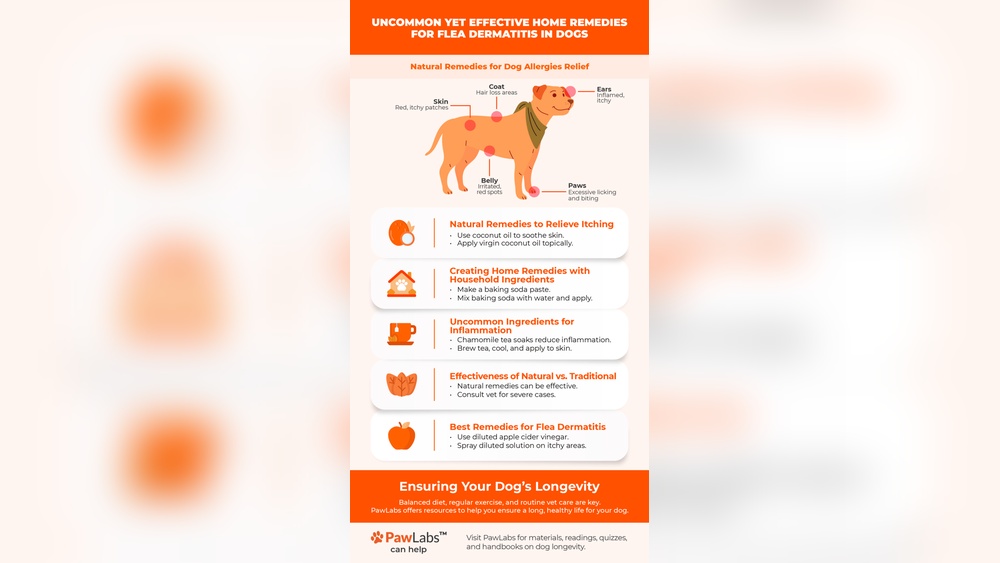
If your dog is constantly scratching, biting, or chewing at their skin, flea allergy dermatitis (FAD) could be the culprit. This condition can make your furry friend uncomfortable and restless, but the good news is you can take effective steps right at home to ease their suffering.
By acting quickly to eliminate fleas, soothing irritated skin, and controlling your pet’s environment, you can help your dog feel better faster. You’ll discover simple, practical ways to treat flea allergy dermatitis at home—methods that are gentle, safe, and proven to bring relief.
Keep reading to learn how to stop the itch and protect your dog’s skin from further damage, so your best friend can get back to feeling happy and healthy.
Credit: www.akcpetinsurance.com
Flea Allergy Dermatitis Basics
Flea allergy dermatitis (FAD) is a common skin condition in dogs. It happens when dogs become allergic to flea saliva. Even a single flea bite can cause intense itching and discomfort. Understanding the basics helps manage the problem effectively at home.
Dogs with FAD often suffer from persistent itching and skin irritation. The condition can lead to hair loss, redness, and secondary infections. Early recognition and treatment are key to relief and healing.
What Causes Flea Allergy Dermatitis
Flea allergy dermatitis is caused by an allergic reaction. Flea saliva contains proteins that trigger this reaction in sensitive dogs. When fleas bite, their saliva enters the skin. The immune system overreacts, causing itching and inflammation.
Fleas thrive in warm and humid environments. They live on the dog and in its surroundings. Flea eggs, larvae, and pupae hide in carpets, bedding, and furniture. This makes complete flea control essential to stop FAD.
Recognizing Symptoms In Dogs
Common symptoms include intense itching and frequent scratching. Dogs may bite or lick certain spots, especially near the tail base. Hair loss and red, inflamed skin often appear in these areas.
Other signs include scabs, sores, and thickened skin. Some dogs also show restlessness or irritability due to discomfort. Early detection helps prevent worsening of the condition.
Immediate Flea Elimination
Immediate flea elimination is essential for treating flea allergy dermatitis in dogs at home. Removing fleas quickly stops the allergic reaction. It also helps your dog feel better fast. Acting fast reduces itching and skin damage. You need effective flea control methods that work right away.
Focus on treatments that kill fleas on contact. Use products made for quick flea removal. Apply these treatments as soon as you notice fleas or symptoms. This step is the first and most important in your dog’s care.
Choosing Fast-acting Flea Treatments
Select flea treatments known for rapid action. Look for products that kill fleas within hours. Avoid slow-acting options that allow fleas to keep biting. Fast results reduce your dog’s discomfort immediately.
Check labels for active ingredients like imidacloprid or selamectin. These work quickly to kill adult fleas. Choose treatments safe for your dog’s age and size. Follow package instructions carefully to ensure effectiveness.
Using Oral And Topical Options
Oral flea medications provide quick flea elimination from inside your dog’s body. These pills or chewables kill fleas when they bite. They start working within a few hours.
Topical treatments are applied directly to the dog’s skin. They spread across the coat to kill fleas on contact. Many offer protection for a month or longer.
Combine oral and topical options only if your vet approves. Always use products designed for dogs. Avoid using flea treatments meant for other animals or humans.
Soothing Skin Remedies
Soothing skin remedies help calm your dog’s irritated skin from flea allergy dermatitis. They reduce itching, redness, and inflammation. These treatments can make your dog more comfortable while healing. Use gentle, natural ingredients to avoid further irritation. Regular care with these remedies supports skin recovery and prevents scratching damage.
Oatmeal And Aloe Vera Baths
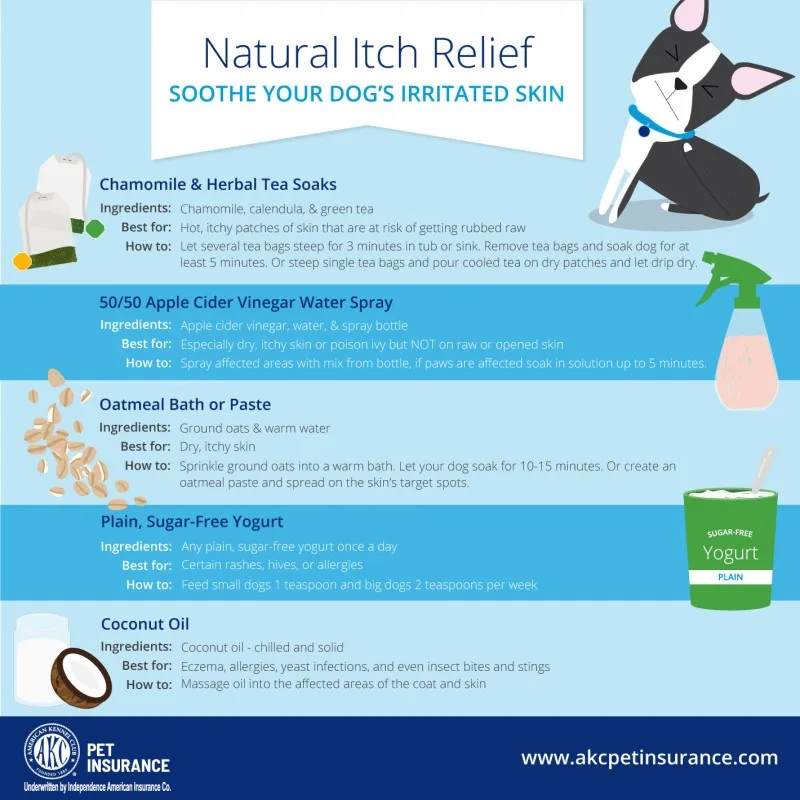
Oatmeal baths soothe dry, itchy skin by reducing inflammation. Grind plain oatmeal into a fine powder and mix it in warm bath water. Let your dog soak for 10 to 15 minutes. Aloe vera gel adds extra relief and moisture. Use pure aloe vera without added chemicals. These baths cool the skin and help heal hot spots.
Cool Compresses For Itchy Spots
Apply cool compresses to itchy, inflamed areas to ease discomfort. Soak a clean cloth in cold water and gently press it on your dog’s skin. Hold for several minutes and repeat as needed. Cool compresses reduce swelling and calm the nerves. They offer quick relief from intense itching and stop your dog from scratching.
Natural Anti-inflammatory Soaks
Herbal soaks made from chamomile or green tea help lower skin inflammation. Brew the tea strong and let it cool completely. Soak a cloth in the tea and apply it to affected spots. These natural remedies contain antioxidants and soothing agents. They calm irritated skin and support faster healing without harsh chemicals.
Preventing Further Irritation
Preventing further irritation is key to helping your dog heal from flea allergy dermatitis. Stopping your dog from scratching or biting the irritated areas avoids worsening the condition. Protecting these sensitive spots allows the skin to repair and reduces the chance of infection. Simple tools and strategies at home can make a big difference in comfort and healing speed.
Using E-collars And Protective Clothing
E-collars, also called cones, stop dogs from reaching itchy spots. They create a barrier around the head and neck. This prevents biting and scratching on affected areas like the tail base or belly. Soft fabric collars can be more comfortable than hard plastic ones.
Protective clothing such as medical pet shirts covers the skin and blocks access. These shirts reduce irritation from scratching and licking. They also protect wounds from dirt and germs, which helps healing. Choose lightweight, breathable fabrics to keep your dog cool.
Keeping Dogs From Scratching
Distracting your dog helps reduce scratching. Play with toys or teach new tricks to keep their mind off itching. Regular exercise can also release energy and lessen stress, which lowers the urge to scratch.
Trim your dog’s nails short to minimize skin damage if scratching does happen. You can gently clean itchy spots with cool water or a soft cloth to soothe the skin. Avoid harsh chemicals or rough rubbing that might worsen irritation.
Environmental Flea Control
Environmental flea control plays a vital role in managing flea allergy dermatitis in dogs. Fleas live not only on pets but also in their surroundings. Treating the environment reduces flea populations and stops re-infestations. Regular cleaning and safe treatments keep your home flea-free and protect your dog from constant bites.
Vacuuming Carpets And Furniture
Vacuuming removes flea eggs, larvae, and adults hiding in carpets and furniture. Focus on areas where your dog spends time. Vacuum daily during flea season to break the flea life cycle. Dispose of vacuum bags or empty canisters outside to prevent fleas from returning.
Washing Pet Bedding Regularly
Fleas lay eggs in your dog’s bedding and blankets. Wash these items in hot water at least once a week. Hot water kills fleas and their eggs effectively. Dry bedding on high heat to ensure no fleas survive. Clean bedding helps reduce flea exposure for your dog.
Applying Flea Control Sprays Safely
Use flea sprays designed for home use to treat carpets, furniture, and pet bedding. Follow product instructions carefully to avoid harming pets or family members. Choose sprays labeled safe for dogs and indoor use. Apply sprays in well-ventilated areas and keep pets away until surfaces dry.
When To Consult A Veterinarian
Knowing when to consult a veterinarian is vital for managing flea allergy dermatitis (FAD) in dogs. Home treatments can help, but some symptoms need professional care. Early vet visits can prevent complications and ease your dog’s discomfort.
Signs Of Severe Dermatitis
Severe dermatitis shows as intense itching and constant scratching. Look for open sores or bleeding spots on your dog’s skin. Swelling, hair loss, or darkened patches also signal serious problems. If your dog acts lethargic or loses appetite, seek vet help fast. These signs mean the skin infection or allergy is worsening.
Possible Prescription Treatments
Veterinarians may prescribe antihistamines to reduce allergic reactions. Steroids often help calm severe itching and inflammation. Antibiotics treat any secondary bacterial infections caused by scratching. Your vet might also suggest medicated shampoos or flea treatments not available over the counter. Follow their instructions carefully to ensure full recovery.
Long-term Prevention Tips
Long-term prevention is key to managing flea allergy dermatitis in dogs. Consistent care and attention help keep fleas away and reduce allergic reactions. Protect your dog by combining effective flea control with a clean environment. This approach supports healthier skin and comfort over time.
Year-round Flea Preventatives
Use flea preventatives every month, all year long. Choose vet-recommended products like topical treatments, oral pills, or collars. These prevent fleas from biting and laying eggs on your dog. Regular use stops flea populations from growing. Check for any side effects and consult your vet if needed. Never skip doses, even in cold weather when fleas seem less active.
Maintaining A Clean Yard
Fleas thrive in warm, shady outdoor spots. Keep your yard tidy by mowing the grass regularly. Remove leaf piles, tall weeds, and debris where fleas hide. Use safe outdoor flea treatments on lawn and garden areas. Prevent wildlife like rodents and stray animals from entering your yard. A clean yard lowers the chance of flea infestations and protects your dog’s skin health.
Credit: www.animaldermatology.com
Credit: www.youtube.com
Frequently Asked Questions
How Do I Get Rid Of Flea Dermatitis On My Dog?
Eliminate fleas using vet-approved treatments. Bathe your dog with soothing oatmeal shampoo. Clean bedding weekly. Use an e-collar to prevent scratching. Vacuum frequently and treat your home for fleas. Consult a vet if symptoms worsen or don’t improve.
How Long Does It Take For Flea Allergy Dermatitis To Go Away In Dogs?
Flea allergy dermatitis in dogs usually improves within 1 to 2 weeks after effective flea control and skin treatment. Persistent cases may require veterinary care.
What Does Flea Bite Dermatitis Look Like?
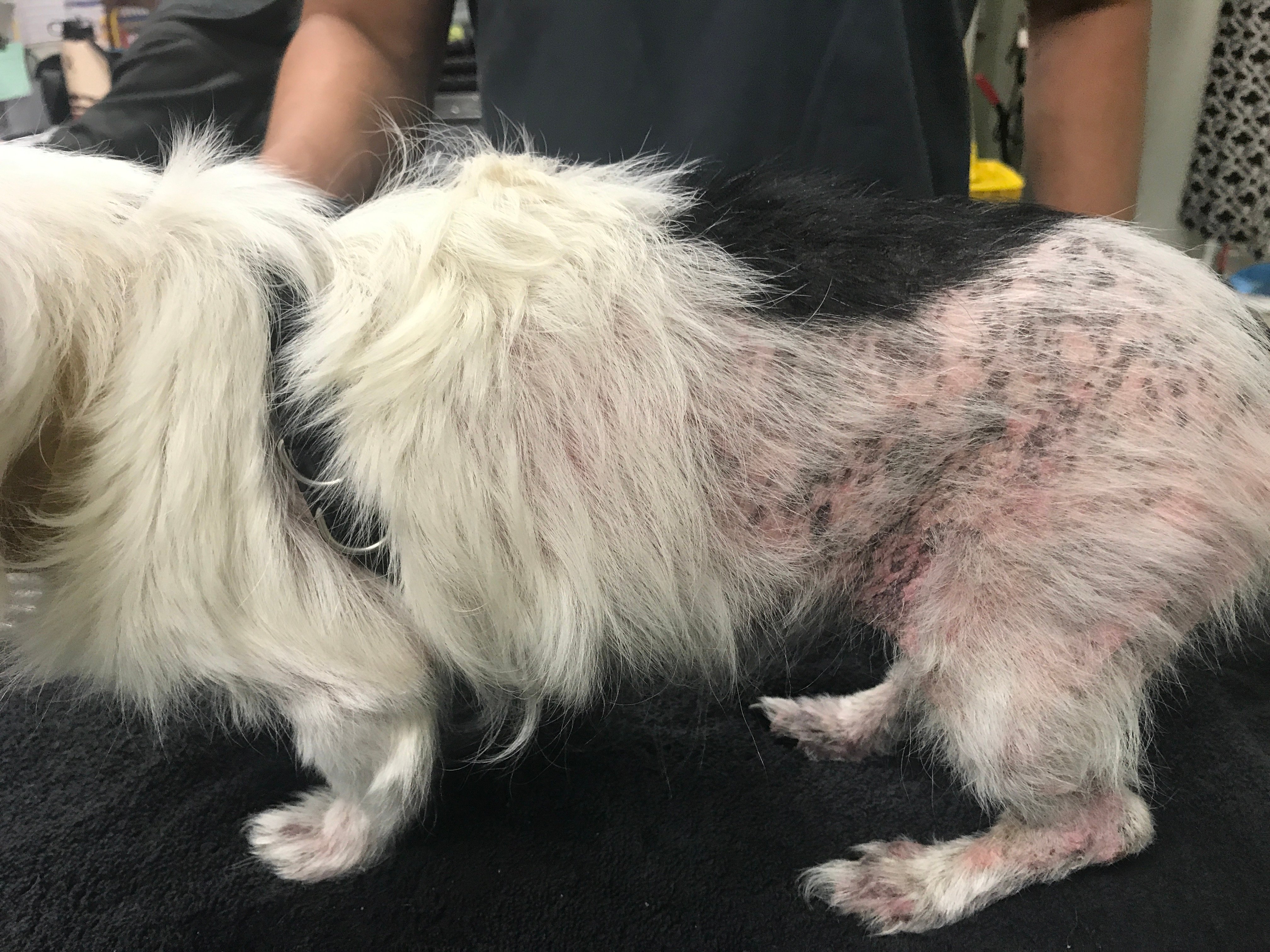
Flea bite dermatitis appears as red, itchy bumps or small scabs on your dog’s skin. It often affects the base of the tail, belly, and groin area. The skin may look inflamed, irritated, and sometimes has hair loss or crusty sores from scratching.
How To Treat Flea Dermatitis In Dogs Naturally?
Treat flea dermatitis naturally by using vet-approved flea treatments, oatmeal baths, cool compresses, and chamomile soaks. Vacuum and wash bedding weekly to control fleas. Prevent scratching with an e-collar. Maintain a clean environment and use flea preventatives year-round for lasting relief.
Conclusion
Treating flea allergy dermatitis at home takes patience and care. Start by removing fleas quickly using safe products. Keep your dog’s skin clean and calm with soothing baths. Clean your home often to stop fleas from coming back. Watch your dog closely for signs of worsening symptoms.
Always act fast to prevent more itching and discomfort. Remember, consistent flea control helps your dog stay healthy. Regular care can improve your pet’s comfort and happiness. Don’t hesitate to ask a vet if problems persist or worsen. Your dog deserves relief and a flea-free life.