
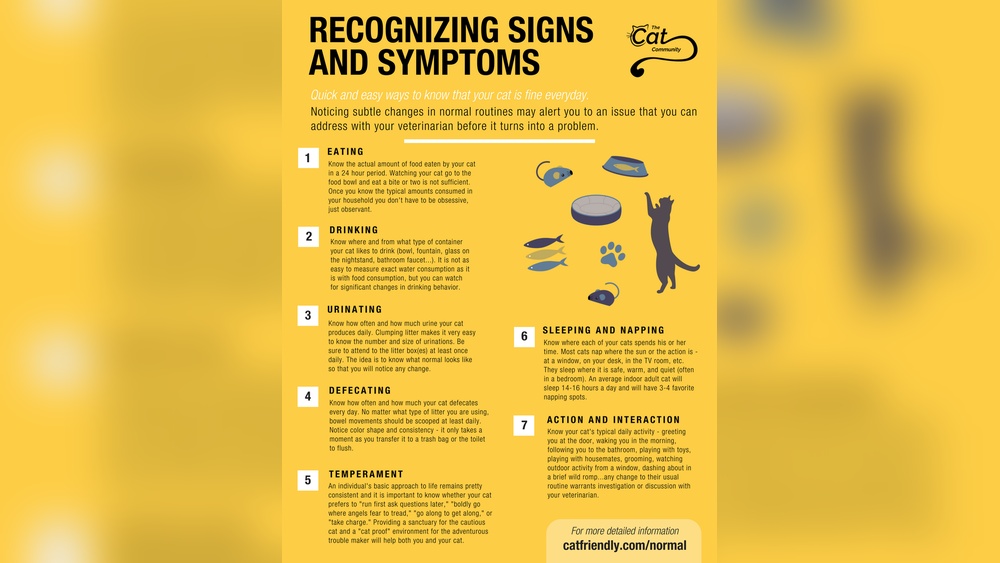
You might wonder, how often should your cat go to the bathroom? Understanding your cat’s bathroom habits is more important than you think.
It’s not just about cleanliness—these habits can reveal a lot about your cat’s health and well-being. If your cat is going too often or not enough, it could be a sign that something isn’t right. You’ll discover what normal bathroom frequency looks like for cats, what affects their habits, and when you should worry.
Keep reading to make sure your furry friend stays happy and healthy every day.
Cat Bathroom Frequency
Understanding how often cats use the bathroom helps keep them healthy. Cats have regular habits for peeing and pooping. Watching these patterns can show if something is wrong. Changes in bathroom habits often mean a visit to the vet is needed.
Each cat is different, but there are normal ranges for bathroom use. Knowing these ranges helps you notice problems early. Let’s explore what is typical for cats.
Normal Peeing Patterns
Cats usually urinate two to four times a day. The urine is light yellow and moderate in amount. Some cats pee more if they drink more water. Dry food can make cats pee less often than wet food.
Watch for signs like straining or small amounts of urine. These signs can mean a blockage or infection. Male cats especially need quick care if they show these symptoms. Regular pee habits show a cat is healthy and hydrated.
Typical Pooping Frequency
Most cats poop once or twice a day. The stool should be firm and easy to pass. Cats on dry food often have larger, bulkier stools. Wet food may result in softer, smaller stools.
Constipation or going too long without pooping can cause discomfort. If a cat misses more than two days, it needs attention. Stress, diet, and age affect how often a cat poops. Keeping the litter box clean encourages regular use.
Factors Influencing Bathroom Habits
Cats’ bathroom habits vary widely. Many factors influence how often cats pee or poop. Understanding these helps you spot changes early. Changes in bathroom habits can signal health problems. Knowing what affects these habits keeps your cat healthy and happy.
Diet And Hydration
What a cat eats affects its bathroom routine. Cats on dry food often drink less water. This can make their urine more concentrated and less frequent. Wet food adds moisture to their diet. This usually leads to more frequent urination. Fiber content also plays a role. High-fiber diets can increase bowel movements. Low fiber may cause constipation or less frequent pooping.
Age And Activity Level
Young cats tend to be more active. They often drink and eat more. This results in more bathroom visits. Older cats may move less and drink less water. Their bathroom habits can slow down. Aging cats sometimes develop health issues. These can affect urination and defecation frequency. Regular vet visits help monitor these changes.
Stress And Environment
Cats are sensitive to stress. Changes like moving or new pets can upset them. Stress may cause cats to hold in urine or stool. It can also lead to accidents outside the litter box. A quiet, safe environment encourages regular bathroom habits. Consistent litter box cleaning is important. Keeping a stress-free space helps maintain healthy habits.
Signs Of Bathroom Issues
Noticing signs of bathroom issues in your cat is crucial for their health. Changes in bathroom habits often indicate discomfort or illness. Cats are usually clean and consistent with their bathroom routine. Any sudden change deserves attention.
Watch closely for these signs. They can help you identify problems early. Acting fast can prevent serious health issues for your cat.
Straining And Discomfort
Straining to urinate or defecate is a common sign of trouble. Cats may cry or show pain while using the litter box. They might spend a long time trying without success. This behavior suggests constipation or urinary blockage. Both require prompt veterinary care.
Changes In Urine Or Stool
Look for differences in your cat’s urine or stool. Dark, cloudy, or bloody urine signals possible infections or stones. Diarrhea or very hard stools can mean digestive problems. Changes in color, smell, or frequency are also warning signs. Keep track of these details for your vet.
Urgent Medical Concerns
Some symptoms need immediate attention. If your cat stops urinating or defecating completely, this is an emergency. Lethargy, vomiting, or excessive licking of the genital area are serious signs. Rapid action can save your cat’s life. Contact your vet without delay if you see these symptoms.
Credit: cats.com
Diet Impact On Bathroom Habits
The food your cat eats plays a big role in bathroom habits. Different diets affect how often cats pee and poop. Changes in diet can lead to changes in waste frequency and consistency. Understanding these impacts helps keep your cat healthy and comfortable.
Dry Food Effects
Dry food has less moisture than wet food. Cats eating dry food may drink more water. This can lead to more frequent urination. Dry food often contains more fiber. That fiber helps form larger, firmer stools. Some cats may poop less often but produce bulkier waste.
Wet Food Effects
Wet food contains high water content. Cats on wet food diets usually urinate more often. The moisture helps keep their urine diluted. Wet food can soften stools and make pooping easier. These cats may have more frequent bowel movements. Their bathroom habits may be more regular and consistent.
Fiber And Digestion
Fiber helps move food through a cat’s digestive system. Cats need a balance of fiber to avoid constipation or diarrhea. Too much fiber can cause bulky stools and less frequent pooping. Too little fiber can lead to hard stools and difficulty passing waste. A proper fiber level keeps digestion smooth and bathroom habits normal.
Monitoring Cat Bathroom Health
Monitoring your cat’s bathroom health is vital for spotting early signs of illness. Cats often hide discomfort, so regular checks help keep them safe. Tracking how often they urinate and defecate reveals a lot about their well-being.
Changes in bathroom habits can indicate stress, diet issues, or medical problems. Paying close attention to these details helps you act quickly. A healthy cat usually has consistent bathroom patterns that you can learn to recognize.
Tracking Frequency
Note how many times your cat uses the litter box daily. Most cats urinate two to four times per day and poop once daily. Variations may depend on diet, age, and water intake. Keep a simple log for a few days to establish your cat’s normal pattern.
Any sudden increase or decrease in frequency might signal a problem. For example, urinating more often could mean a urinary tract infection. Less frequent bowel movements might suggest constipation. Regular tracking helps catch these changes early.
Observing Behavior Changes
Watch for signs like straining, crying, or spending too much time in the litter box. These behaviors often indicate discomfort or pain. Also, look for accidents outside the box, which can mean your cat is avoiding the litter box due to health or stress issues.
Changes in urine color or stool texture are important too. Dark urine or very hard stools may need medical attention. Behavioral shifts often come before visible symptoms, so stay alert to subtle differences.
When To See A Vet
Visit the vet immediately if your cat cannot urinate or defecate. This is an emergency, especially for male cats. Also, seek help if your cat strains often or cries during bathroom visits. Persistent accidents outside the box require veterinary advice too.
Other signs include lethargy, vomiting, or loss of appetite combined with bathroom changes. Early veterinary care can prevent serious complications. Trust your instincts and get professional help when unsure.
Common Bathroom Problems
Cats usually have regular bathroom habits. Changes in these habits may signal health issues. Knowing common bathroom problems helps you spot trouble early. Watch your cat closely for any unusual signs.
Constipation
Constipation happens when a cat has trouble passing stool. The stool becomes hard and dry. Your cat may strain or cry while trying to poop. Constipation can cause discomfort and pain. It can result from dehydration or lack of fiber. Older cats and indoor cats are more prone to this problem. If constipation lasts more than two days, see a vet.
Urinary Blockages
Urinary blockages are serious and need quick attention. Male cats are at higher risk. The blockage stops urine from passing out. Cats may strain or cry while trying to urinate. They may produce little or no urine. This problem can cause severe pain and health risks. Immediate veterinary care is critical to save your cat’s life.
Dehydration Effects
Dehydration affects how often cats urinate. Cats that drink less water produce less urine. This can lead to concentrated urine and bladder problems. Dehydrated cats may show lethargy and dry gums. Wet food helps keep cats hydrated. Always provide fresh water to prevent dehydration and related issues.
Maintaining Healthy Habits
Maintaining healthy bathroom habits is crucial for your cat’s well-being. Regular urination and defecation help prevent health problems. Watching your cat’s habits can alert you to any issues early. Consistent routines support digestive and urinary health. Small changes in diet, water intake, or stress can affect bathroom frequency. Creating a healthy environment encourages normal habits and comfort for your cat.
Providing Fresh Water
Fresh water helps keep your cat hydrated and supports kidney function. Offer clean water daily in a bowl or fountain. Cats often prefer running water, which encourages drinking. Proper hydration softens urine and stool, making bathroom visits easier. Change water regularly to prevent bacteria growth. Hydrated cats usually urinate more often and stay healthier.
Balanced Diet Tips
A balanced diet impacts your cat’s digestion and bathroom habits. Wet food increases moisture intake and aids bowel movements. Dry food can cause less frequent but firmer stools. Include fiber in your cat’s diet to promote regular defecation. Avoid sudden diet changes to prevent upset stomach. Feeding smaller, frequent meals can improve digestion and comfort.
Stress Reduction Techniques
Stress can disrupt your cat’s bathroom routine and cause health issues. Create a quiet, safe space for your cat to relax. Keep litter boxes clean and in low-traffic areas. Maintain a consistent daily schedule for feeding and playtime. Use calming pheromone sprays or diffusers to reduce anxiety. Gentle petting and play help your cat feel secure and happy.
Credit: www.johnscreekvet.com
Credit: www.trustedhousesitters.com
Frequently Asked Questions
How Often Should A Cat Pee In 24 Hours?
Cats usually pee 2 to 4 times in 24 hours. Frequency varies with diet, age, and health. Watch for changes.
What Is The 3-3-3 Rule For Cats?
The 3-3-3 rule for cats guides new owners: keep your cat indoors for 3 weeks, feed the same food for 3 weeks, and wait 3 weeks before adding new pets. This helps your cat adjust smoothly to its new environment and companions.
How Long Can A Cat Go Without Pooping And Peeing?
Cats usually pee 2-4 times daily and poop once or twice a day. Not pooping for over 48 hours or not peeing for 24 hours signals a health issue needing vet care immediately.
What Is “i Love You” In Cat Language?
“I love you” in cat language means slow blinking, gentle purring, head butting, kneading, and staying close to you.
Conclusion
Cats usually go to the bathroom once or twice daily. Watching your cat’s habits helps spot health issues early. Changes in diet, age, or stress can alter bathroom frequency. Always provide fresh water and a clean litter box. If your cat strains or stops going, contact a vet quickly.
Regular bathroom checks keep your cat happy and healthy. Simple attention makes a big difference in your cat’s well-being.