
Is your dog showing unusual patches of hair loss or scaly skin? You might be wondering if it’s ringworm—a common but contagious fungal infection.
Spotting ringworm early can save your furry friend from discomfort and prevent it from spreading to your family or other pets. But how can you tell if your dog has ringworm right at home? You’ll learn the clear signs to watch for, how to inspect your dog safely, and why quick action matters.
Keep reading to protect your dog’s health and keep your home safe.
Signs On Your Dog’s Skin
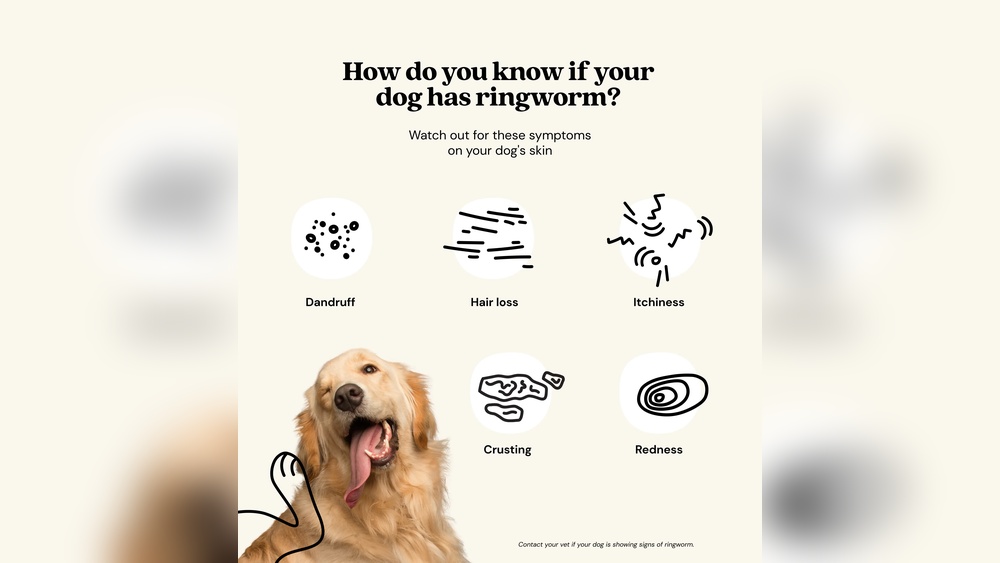
Recognizing signs of ringworm on your dog’s skin helps you act quickly. Ringworm often causes visible changes in your dog’s coat and skin texture. Early detection can prevent the infection from spreading to other pets and family members. Watch closely for specific symptoms on your dog’s skin and fur.
Circular Hair Loss
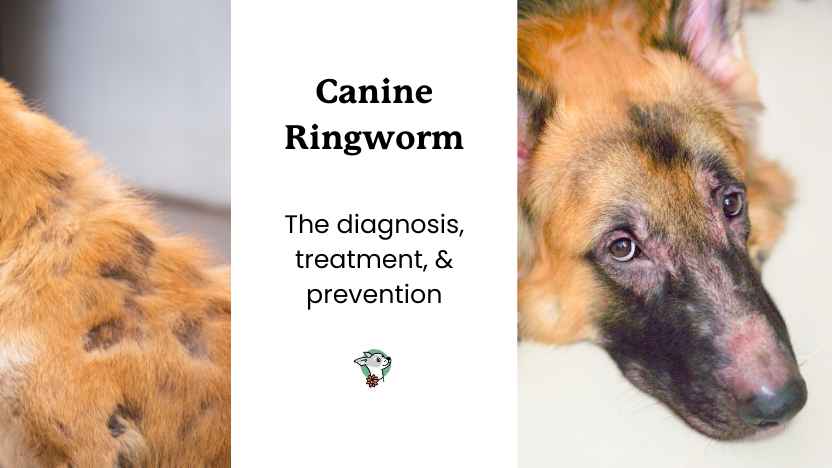
Look for round, bald patches on your dog’s body. These spots often start small and grow larger over days. The edges of these patches may appear red or inflamed. Hair loss usually happens on the face, ears, or paws. These circular spots are a common sign of ringworm.
Red And Crusty Patches
Check for areas with red, scaly skin that looks crusty or rough. These patches may feel raised or irritated. The skin can become dry and cracked, sometimes with scabs. These crusty spots often appear around the hair loss areas. They show your dog’s skin is infected and inflamed.
Dry, Brittle Hair
Your dog’s hair may become weak and break easily near infected spots. The fur can look dull and lifeless. This brittle hair does not grow back quickly without treatment. It often surrounds the circular bald patches. This sign indicates the fungal infection affects hair strength.
Flaky Dandruff Spots
Notice white flakes or dandruff on your dog’s coat, especially near sores. These flakes come from dry, peeling skin caused by the infection. They may fall off when you pet your dog. Flaky dandruff spots often appear with redness or hair loss. This symptom points to skin irritation from ringworm.
Credit: lolahemp.com
Areas To Check Closely
Ringworm often shows in certain spots on your dog’s body first. These areas are easier to check and can tell you if your dog might have ringworm. Knowing where to look helps catch the infection early. Early detection can protect your dog and your family.
Face And Ears
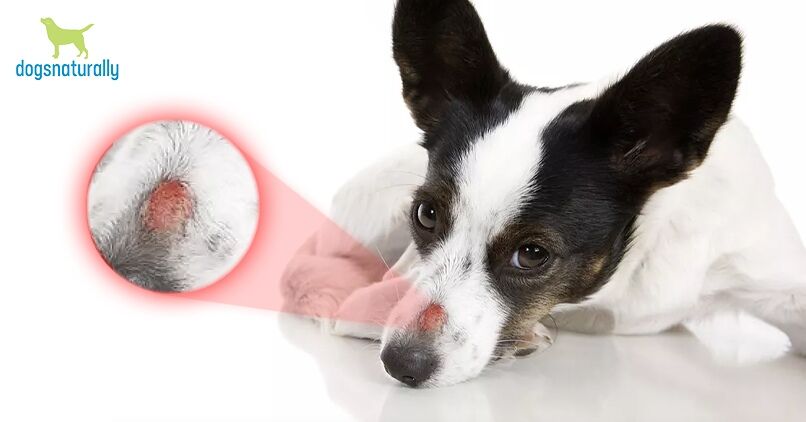
Check around your dog’s face carefully. Look for round patches with hair loss. The skin may look red, flaky, or scaly. The ears are common places for ringworm. Check inside and around the ear edges for crusty or irritated skin. These spots can be dry or slightly raised.
Paws And Nail Beds
Look between the toes and around the nails. Ringworm can cause redness and scabs here. Nails might look brittle or broken. The skin may be swollen or cracked. Your dog might lick or chew the paws more than usual. These signs suggest an infection near the paws.
Tail And Head
The tail and top of the head are common ringworm areas too. Hair loss here often appears as clear, round spots. The skin may be dry and rough. Sometimes the patches look like small rings. Check for any unusual flakes or crusts on the tail and head.
Common Mistakes In Identification
Identifying ringworm in dogs at home can be tricky. Many owners confuse it with other skin problems. Misidentifying ringworm may delay proper treatment. Understanding common mistakes helps you avoid confusion. It also protects your pet’s health and your family’s safety.
Below are frequent errors made when checking for ringworm. Knowing these will help you make a better judgment before visiting the vet.
Allergies Vs Ringworm
Allergies often cause red, itchy skin and hair loss. This can look similar to ringworm spots. Allergies usually cause more intense itching than ringworm. Allergic reactions may appear suddenly after exposure to certain foods or environments. Ringworm patches grow slowly and often form round shapes. Pets with allergies may scratch or lick more than those with ringworm.
Other Skin Conditions
Many skin diseases mimic ringworm’s symptoms. Mange, hot spots, and bacterial infections can cause hair loss and redness. These conditions may also cause scabs or flaky skin. Unlike ringworm, some infections cause foul odor or pus. Each skin problem needs different treatments. Misdiagnosis can worsen your dog’s condition. Careful observation and vet advice are necessary for accuracy.
Limitations Of Uv Light Tests
UV light tests, or Wood’s lamp exams, are popular at-home tools. They may help spot some ringworm infections by glowing green under the light. Not all ringworm fungi glow, so a negative result does not rule out ringworm. Dirt, ointments, and hair type can affect the test’s accuracy. Relying only on UV light may miss infections or give false hope. Always confirm with a vet for reliable diagnosis.

Credit: canna-pet.com
Precautions When Inspecting
Taking precautions when inspecting your dog for ringworm is vital. Ringworm spreads easily to humans and other pets. Protect yourself and your home during the inspection. Simple safety steps reduce the risk of spreading the infection. Follow these key precautions to stay safe.
Wearing Gloves
Always wear disposable gloves before touching your dog’s skin. Gloves stop the fungus from transferring to your hands. Use new gloves each time you inspect different areas. Avoid touching your face or other surfaces while wearing gloves. After inspection, safely remove and discard the gloves.
Hand Hygiene
Wash your hands thoroughly with soap and warm water after removing gloves. Clean under your nails and between fingers well. If soap and water are not available, use a hand sanitizer with at least 60% alcohol. Keep your hands clean to prevent spreading ringworm spores. Avoid touching your eyes, nose, or mouth during and after inspection.
Isolating Your Dog
Keep your dog separate from other pets during inspection and treatment. Use a specific room or area to limit contact. Clean and disinfect the area regularly to kill fungal spores. Avoid letting your dog share bedding, toys, or bowls with others. Isolation helps stop the infection from spreading in your home.
When To See The Vet
Knowing when to see the vet is crucial if you suspect your dog has ringworm. Early vet visits can prevent the infection from worsening. The vet can confirm the diagnosis and suggest effective treatment. Ignoring symptoms may lead to more serious health issues for your dog and your family.
Confirming Diagnosis
The vet will perform tests to confirm ringworm. They may use a Wood’s lamp or take a skin scraping for lab analysis. These tests identify the fungus causing the infection. A correct diagnosis helps the vet create the best treatment plan for your dog.
Treatment Options
Treatment may include medicated shampoos, oral antifungal drugs, or topical creams. The vet decides the treatment based on the severity of the infection. Follow the vet’s instructions carefully to ensure your dog recovers fully. Treatment duration can last several weeks to prevent relapse.
Preventing Spread At Home
Ringworm spreads easily between pets and humans. Clean and disinfect your dog’s bedding, toys, and living areas regularly. Wash your hands after touching your dog or cleaning their items. Isolate your dog from other pets until the vet confirms the infection is gone.
Credit: www.dogsnaturallymagazine.com
Frequently Asked Questions
What Does The Beginning Of Ringworm Look Like On A Dog?
The beginning of ringworm on a dog shows circular patches of hair loss with red, scaly, or crusty skin. Hair may become dry and brittle. These lesions often appear on the face, ears, or paws. Early detection helps prevent spreading and allows prompt veterinary treatment.
Will Ringworm On A Dog Go Away By Itself?
Ringworm on a dog rarely goes away without treatment. Prompt veterinary care and antifungal medication ensure faster recovery and prevent spreading.
How Can I Check My Dog For Ringworm?
Check your dog for ringworm by spotting circular hair loss, red or scaly skin, brittle hair, and dandruff, especially on the face, ears, and paws. Consult a vet for accurate diagnosis and treatment.
What Can Be Mistaken For Ringworm On A Dog?
Ringworm on dogs can be mistaken for allergies, hot spots, mange, yeast infections, or bacterial dermatitis due to similar skin symptoms.
Conclusion
Spotting ringworm on your dog at home takes careful observation. Watch for round hair loss patches and red, flaky skin. Check areas like the face, ears, and paws often. Remember, ringworm spreads fast and can infect people too. Protect yourself by wearing gloves and washing hands after touching your pet.
Early detection helps your dog get the right treatment sooner. Always visit a vet to confirm the diagnosis and avoid confusion with other skin problems. Taking quick action keeps your dog and family safe and healthy.