
Thinking about declawing your cat? Before you make a decision, it’s important to understand not just the cost but also what the procedure involves and the potential effects on your furry friend.
You might be surprised by how much declawing can vary in price depending on the method and where you live. Plus, there are hidden costs and serious ethical concerns you should know about. You’ll get a clear picture of how much it really costs to have a cat declawed, what alternatives exist, and why many vets now recommend skipping the surgery altogether.
Keep reading to make the best choice for your cat’s health and your peace of mind.

Credit: vety.com
Declawing Methods
Declawing a cat involves removing the claws through surgical methods. The choice of technique impacts the cost and recovery. Two main methods are commonly used by veterinarians. Each has different effects on the cat’s comfort and healing time.
Laser Declawing
Laser declawing uses a focused laser beam to remove the claws. It causes less bleeding and reduces pain during surgery. This method lowers the chance of infection and speeds up healing. Laser declawing usually costs more than traditional methods. Many pet owners prefer it for the reduced stress on their cats.
Scalpel And Clipper Techniques
Scalpel and clipper techniques are traditional declawing methods. They involve cutting the last joint of each toe with a blade or clipper. These methods may cause more bleeding and pain. Recovery time can be longer compared to laser declawing. The cost for scalpel or clipper declawing is generally lower. Some veterinarians still use these techniques due to availability and equipment.
Cost Factors
Several factors influence the cost to have a cat declawed. Understanding these cost factors helps prepare for the procedure’s total price. Prices vary by clinic, cat characteristics, and required services.
Veterinary Location And Clinic Type
Prices differ between urban and rural areas. Clinics in large cities often charge more. Specialty veterinary hospitals may have higher fees than general practices. Emergency clinics might add extra costs for after-hours care.
Cat Size And Anesthesia
Larger cats may require more anesthesia. More anesthesia increases the cost of the procedure. The cat’s health can affect anesthesia type and dosage. Safer anesthesia options might raise the price but lower risks.
Pre-surgical Testing And Hospital Stay
Pre-surgical blood tests ensure your cat is healthy for surgery. These tests add to the total cost. Some cats need overnight stays for monitoring. Hospital stays increase fees for care and boarding.
Hidden Expenses
Declawing a cat involves more than just the surgery price. Hidden expenses can significantly increase the total cost. Many cat owners do not realize these costs until after the procedure. These extra costs cover important care and possible problems after surgery. Understanding hidden expenses helps prepare financially and care better for your cat.
Post-surgery Medications
After declawing, cats often need pain relief and antibiotics. These medicines help reduce pain and prevent infections. Medication costs vary but can add up quickly. Some cats require special ointments or extra drugs for healing. Skipping medications can cause discomfort and slow recovery.
Follow-up Visits
Veterinarians usually schedule follow-up visits to check healing progress. These visits may include wound inspection and nail bed care. If stitches are used, removal is another visit cost. Sometimes, extra visits are needed if complications arise. Follow-ups ensure your cat recovers properly and comfortably.
Potential Complications
Declawing can cause complications that increase treatment costs. Infection, swelling, or bleeding may require extra veterinary care. Some cats develop lameness or behavioral problems after surgery. These issues might need physical therapy or additional medication. Treating complications can be costly and stressful for owners and cats.
Credit: www.embracepetinsurance.com
Ethical And Legal Issues
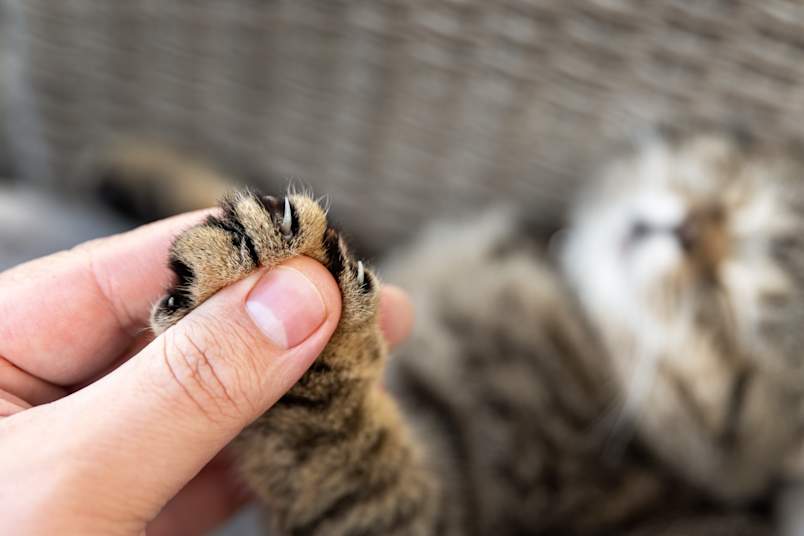
Declawing a cat raises serious ethical and legal concerns. This surgery removes the last bone of each toe, causing pain and long-term effects. Many animal experts and organizations oppose declawing. Laws and opinions vary across regions, reflecting growing awareness about animal welfare.
Declawing Bans And Restrictions
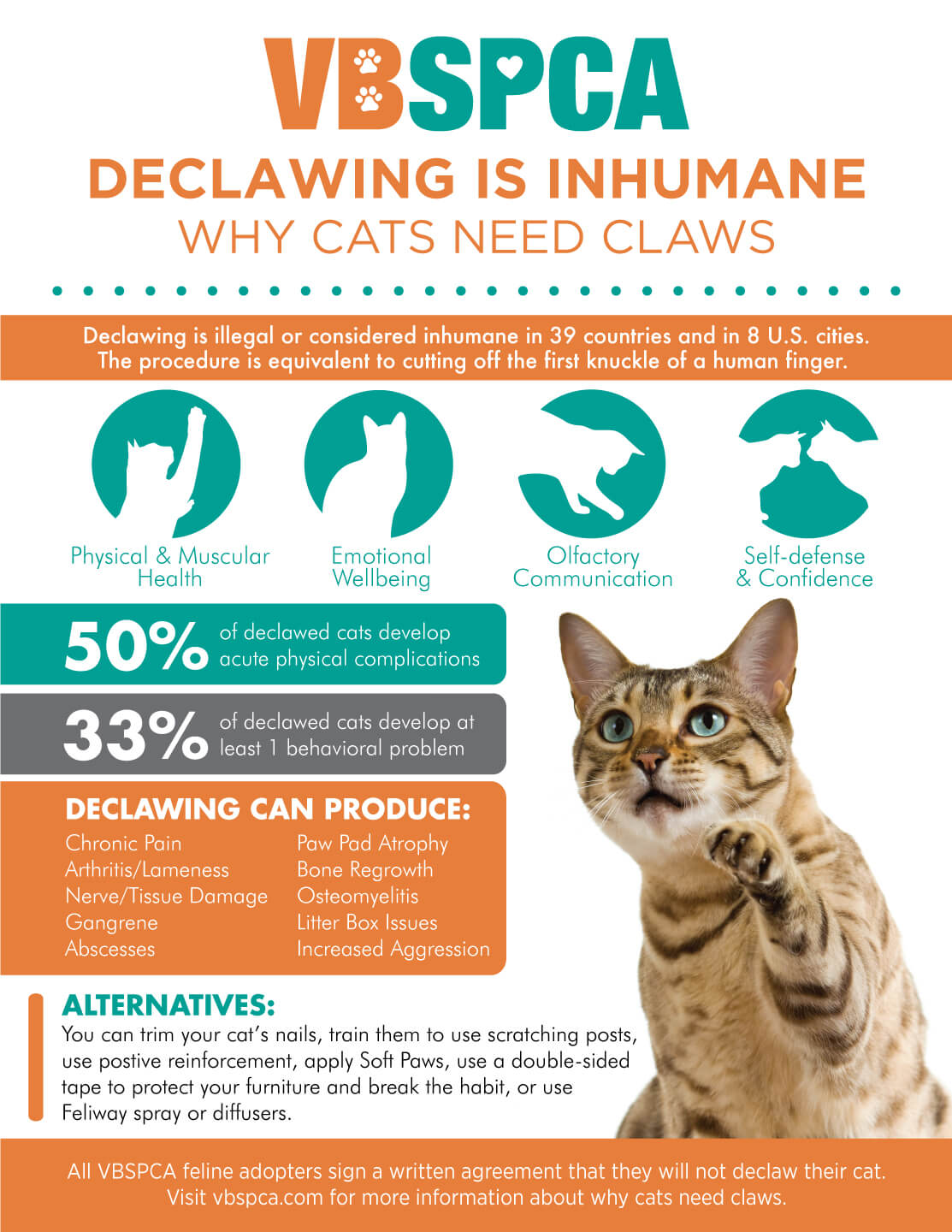
Several countries have banned cat declawing completely. Some U.S. states and cities restrict or forbid this practice. These laws aim to protect cats from unnecessary harm. Violating these rules can result in fines or legal action. The bans show increasing concern for cats’ well-being worldwide.
Veterinary Opinions On Declawing
Most veterinarians now view declawing as inhumane. They stress it causes pain and can harm a cat’s behavior. Experts recommend safer alternatives like nail trimming and scratching posts. Many vets refuse to perform declawing except for rare medical reasons. Their focus is on keeping cats healthy and happy without surgery.
Health Risks For Cats
Declawing a cat carries serious health risks that every pet owner should know. It is more than just removing nails. The procedure amputates the last bone of each toe. This can cause pain and long-lasting problems for cats. Understanding these risks helps make better choices for your pet’s well-being.
Pain And Recovery Challenges
Declawing causes intense pain during and after surgery. Cats may find it hard to walk or jump. Healing takes weeks and requires close care. Some cats hide pain, making it harder to notice problems early. Infection is also a common risk after the procedure.
Long-term Physical Effects
Removing claws changes how cats balance and walk. This can lead to arthritis and joint pain later. Some cats develop problems with their paws, such as swelling or lameness. The loss of claws also removes their natural defense, making them feel more vulnerable.
Behavioral Changes
Declawed cats may show new behavior issues. Some stop using the litter box due to pain. Others may become more aggressive or bite more often. Scratching is a natural behavior, and removing claws can cause stress and frustration. These changes affect both the cat and the owner’s bond.
Alternatives To Declawing
Declawing a cat is a serious decision with high costs and ethical concerns. Many pet owners seek safer, kinder options that protect their furniture and keep cats healthy. Several alternatives can prevent scratching damage without surgery. These methods support your cat’s natural behavior and comfort.
Nail Trimming And Maintenance
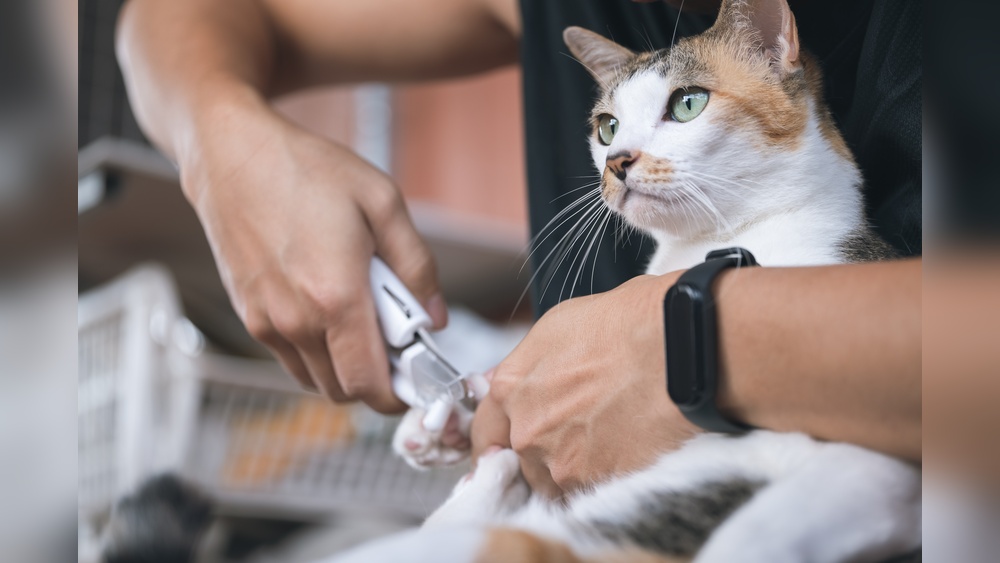
Regular nail trimming reduces sharpness and prevents damage. Trim your cat’s nails every two weeks. Use proper cat nail clippers and avoid cutting too close to the quick. If unsure, ask a vet or groomer for help. Keeping nails short lowers the need for declawing.
Scratching Posts And Pads
Provide sturdy scratching posts or pads to satisfy scratching instincts. Place them in common cat areas. Encourage your cat to use these by rubbing catnip on them. Different textures attract different cats. Vertical and horizontal options both work well. These items save furniture and keep cats happy.
Soft Paws And Claw Caps
Soft paws are small vinyl caps glued over cat claws. They cover sharp tips and prevent scratching damage. These caps last four to six weeks before needing replacement. Soft paws are painless and safe. Many vets recommend them as a humane, cost-effective alternative to declawing.
Insurance And Financial Planning
Planning for the cost of declawing a cat involves more than just the surgery fee. Insurance and financial planning help manage expenses and avoid surprises. Understanding your options supports better care for your pet without stress.
Pet Insurance Coverage
Most pet insurance plans do not cover declawing. This surgery is often seen as elective and controversial. Some policies might cover related complications, such as infections or pain management. Check your policy details carefully before deciding. Knowing what your insurance covers can save you money and help you plan ahead.
Budgeting For Unexpected Costs
Declawing can lead to extra costs beyond the surgery. Post-operative care, medications, and follow-up visits add to the total. Sometimes, complications require emergency care or longer recovery time. Set aside extra funds for these cases. A well-planned budget helps you handle these expenses without worry. Keep receipts and track all payments for better financial control.
Credit: vbspca.com
Frequently Asked Questions
Will Vets Declaw Cats Anymore?
Most vets refuse to declaw cats due to ethical concerns and legal bans in many areas. Alternatives like nail trims and claw caps are safer.
Is It Okay To Declaw An Indoor Cat?
Declawing an indoor cat is harmful and unethical. It causes pain, behavior issues, and is banned in many places. Use nail trims, scratching posts, or claw caps instead.
How Much Do Vets Charge To Declaw A Cat?
Vets typically charge between $100 and $500 to declaw a cat. Prices vary by location, procedure type, and clinic.
What Can I Do Instead Of Declawing My Cat?
Provide scratching posts, trim nails regularly, use soft claw caps, and train your cat to avoid damaging furniture.
Conclusion
Declawing a cat involves significant costs and serious risks. Prices vary based on surgery type and location. Many vets now advise against declawing due to pain and long-term harm. Safer options like scratching posts and nail caps protect your furniture without surgery.
Think carefully about your cat’s health and comfort before deciding. Choosing alternatives benefits both you and your feline friend. Always consult a trusted vet for advice tailored to your cat’s needs.