
How long should you leave your dog alone? It’s a question every dog owner faces at some point.
You want to make sure your furry friend is safe, happy, and comfortable while you’re away. But the answer isn’t one-size-fits-all. Your dog’s age, personality, and daily needs all play a big role. Leaving your dog alone too long can lead to anxiety, boredom, or even health problems.
On the other hand, sometimes you simply can’t avoid being away. So, how do you find the right balance? Keep reading, and you’ll discover practical tips and important guidelines to help you create a daily schedule that works for both you and your dog.
Time Limits By Dog Age
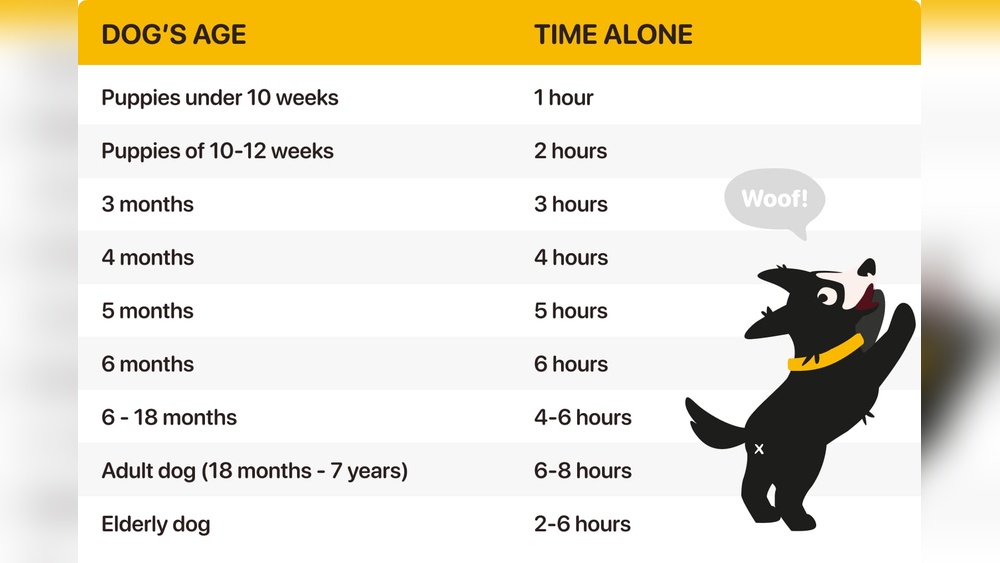
Time limits for leaving dogs alone vary greatly by their age. Puppies, adults, and seniors all have different needs. Understanding these limits helps keep your dog safe and happy. Age affects their ability to handle being alone.
Young dogs need more attention and care. Older dogs may need extra comfort and support. Adults can tolerate longer periods alone but still need regular breaks. Keep your dog’s age in mind to set good routines.
Puppies Under Six Months
Puppies need frequent care and bathroom breaks. They should not be left alone for more than two hours. Young pups get anxious and may have accidents. They require social interaction and training at this stage.
Leaving puppies alone too long can lead to stress and behavior issues. Short, supervised alone times help them learn independence. Offer toys and safe spaces to keep them busy.
Adult Dogs
Adult dogs can stay alone longer than puppies. Most can handle four to six hours alone comfortably. Regular exercise before leaving helps reduce boredom and anxiety. Some dogs may need breaks if left longer.
Training your dog to stay alone gradually improves their tolerance. Provide water, toys, and a comfortable resting spot. Watch for signs of stress or destructive behavior.
Senior Dogs
Senior dogs have special needs and lower energy levels. They should not be left alone for more than four hours. Older dogs may have health issues needing attention. Frequent bathroom breaks and comfort are important.
Check on your senior dog often and provide a cozy, quiet space. Keep routines consistent to reduce anxiety. Pay attention to changes in behavior or health during alone time.

Credit: www.htc-uk.com
Factors Affecting Alone Time
Several factors influence how long a dog can stay alone safely. Each dog is unique and needs different care. Understanding these factors helps ensure your dog feels comfortable and secure when alone.
Breed And Personality
Some breeds tolerate alone time better than others. Independent breeds like Shiba Inu or Basset Hounds manage well alone. Social breeds such as Labradors need more company and attention. Your dog’s personality also matters. Calm dogs may enjoy alone time, while anxious dogs may struggle.
Health And Physical Needs
A dog’s health impacts how long it can be left alone. Older dogs or those with medical issues need more frequent care. Puppies require bathroom breaks and feeding at short intervals. Dogs with high energy levels need exercise before alone time to reduce stress.
Training And Behavior
Training plays a key role in alone time success. Dogs trained to handle alone time feel less stressed and anxious. Bad behavior like chewing or barking often means your dog is uncomfortable alone. Proper training and gradual alone time increase your dog’s confidence.
Key Needs For Dogs Left Alone
Leaving a dog alone requires careful thought about their basic needs. Dogs need more than just a safe space. They require essentials to stay healthy and calm while alone. Preparing your dog properly helps reduce stress and behavior issues. Here are key needs to focus on before you leave your dog alone.
Access To Fresh Water
Water is vital for your dog’s health. Always leave a bowl filled with fresh water. Check that the bowl is stable to avoid spills. Hydration prevents dehydration and keeps your dog comfortable. Change the water daily to keep it clean.
Safe Chew Toys And Comfort Items
Dogs need something to do when alone. Provide safe chew toys to keep them busy. Chewing helps reduce anxiety and boredom. Comfort items like blankets or a favorite toy give a sense of security. Avoid toys that can break easily or cause choking.
Background Noise And Environment
Silence can make dogs feel lonely or anxious. Leaving a radio or TV on at low volume helps create a calm environment. Background noise mimics human presence and soothes your dog. Make sure the space is comfortable, with enough light and proper temperature.
Credit: www.thomasvillevet.net
Ways To Support Your Dog
Supporting your dog during alone time helps reduce stress and boredom. Dogs need mental and physical activity to stay happy. Without support, they may develop anxiety or destructive habits. Several practical options provide your dog with comfort and engagement while you are away.
Hiring A Dog Walker
A dog walker visits your home to take your dog out. This break gives your dog exercise and a chance to relieve itself. Regular walks break up long hours alone. Walkers also provide social interaction and mental stimulation. Choose a trusted local walker with good reviews.
Using Dog Daycare Services
Dog daycare offers a safe place for your pet during the day. Your dog can play and interact with other dogs. Daycare reduces loneliness and provides supervised exercise. Many centers have trained staff to monitor behavior. This option works well for active or social dogs.
Midday Breaks And Walks
Arranging a midday break is a simple way to support your dog. A family member, friend, or neighbor can stop by for a walk. This short visit gives your dog attention and fresh air. It also helps prevent accidents or discomfort from holding urine too long. Regular midday breaks improve your dog’s well-being.
Signs Of Separation Anxiety
Separation anxiety affects many dogs when they are left alone. It causes stress and discomfort. Recognizing the signs early helps you support your pet better. Dogs with separation anxiety show clear changes in behavior. These signs often worsen the longer they stay alone. Understanding these signs is key to keeping your dog calm and happy.
Common Behavioral Indicators
Dogs with separation anxiety may bark or whine loudly. They might pace or seem restless around the house. Some dogs try to escape from rooms or crates. Others drool excessively or pant heavily without exercise. Destructive chewing or scratching near doors and windows is common. Loss of appetite can also happen during these times. These behaviors signal your dog feels anxious or scared.
How To Minimize Stress
Keep your departures and arrivals low-key to reduce stress. Give your dog a special toy or treat before leaving. Create a safe and quiet space where your dog feels secure. Try short absences first, then gradually increase the time alone. Use background noise like soft music to comfort your dog. Regular exercise before leaving helps reduce excess energy. Consult a vet or trainer for extra help if needed.
Building A Safe Alone Schedule
Building a safe alone schedule is key to your dog’s happiness and health. Dogs need time alone, but too much can cause stress. Creating a balanced plan helps your pet feel secure. This section guides you through setting up a safe routine.
Assessing Your Dog’s Needs
Each dog has different needs. Age plays a big role. Puppies need frequent attention. Older dogs can handle longer alone times. Health also matters. Some dogs have special needs or anxiety. Observe your dog’s behavior. Notice signs of stress or boredom. This helps you decide how long to leave them alone.
Creating A Daily Routine
Dogs thrive on routine. Set regular times for walks, play, and meals. Break up the day with activities. Include potty breaks and exercise before alone time. A calm dog stays relaxed longer. Use toys or puzzles to keep them busy. Consistency helps your dog understand what to expect. This lowers anxiety and improves behavior.
Adjusting Time Based On Feedback
Watch how your dog reacts to alone time. If they seem anxious or destructive, shorten the time. If they rest calmly, you can slowly increase it. Keep changes gradual to avoid stress. Check for changes in appetite or mood. Talk to a vet if problems continue. Your dog’s comfort is the best guide to adjusting their schedule.

Credit: cbddoghealth.com
Frequently Asked Questions
Is It Okay To Leave A Dog Alone For 3 Days?
Leaving a dog alone for 3 days is unsafe and not recommended. Dogs need daily care, food, water, exercise, and social interaction. Arrange a pet sitter, friend, or dog daycare to ensure your dog’s well-being during long absences.
What Is The 7 7 7 Rule For Dogs?
The 7 7 7 rule for dogs means feeding them three times daily at 7 AM, 7 PM, and giving a treat at 7 PM.
Is It Okay To Leave A Dog Alone For 8 Hours A Day?
Leaving a dog alone for 8 hours occasionally is okay for adult dogs. Puppies and senior dogs need more frequent care and breaks. Provide fresh water, toys, and consider midday walks or doggy daycare to keep your dog happy and healthy.
Is 7 Hours Too Long To Leave A Dog Alone After?
Leaving a dog alone for 7 hours can be too long, especially for puppies or anxious dogs. Adult dogs usually manage 4-6 hours comfortably. Provide water, toys, and consider a midday walk or dog sitter to keep your dog happy and healthy.
Conclusion
Dogs need company and care to stay happy and healthy. Leaving them alone too long can cause stress and boredom. Puppies and older dogs need more attention and shorter alone times. Provide fresh water, toys, and a cozy space for comfort.
Consider asking a friend or hiring help if you must be away for hours. Watching your dog’s behavior helps you know their limits. Balancing your schedule with their needs keeps your dog safe and content. A little planning goes a long way in caring for your furry friend.