
If your dog is sneezing, coughing, or has a runny nose, you might be wondering: how long do dog colds last? Just like people, dogs can catch colds that make them feel uncomfortable and slow down their usual energy.
You want your furry friend to bounce back quickly, but it’s important to know what’s normal and when to worry. You’ll discover how long typical dog colds usually last, what signs mean it’s time to see the vet, and how you can help your dog feel better fast.
Keep reading to learn how to take the best care of your pup during those sniffly days.
Cold Duration In Dogs
Dog colds are common and usually clear up with some rest. Understanding how long a cold lasts helps you care for your pet better. The duration varies, but most dogs recover without problems.
Typical Recovery Time
Most dog colds last about one to two weeks. Symptoms like sneezing and coughing ease within five to ten days. Mild colds often improve without medicine. Rest and good care speed up healing.
Factors That Affect Healing
Age plays a big role. Puppies and older dogs take longer to recover. Dogs with weak immune systems heal slower. Breeds with flat faces often have breathing troubles, which can prolong the cold. Stress and poor nutrition also slow healing. Proper care and a warm environment help your dog get better faster.

Credit: www.palopa-pets.com
Common Cold Symptoms
Dog colds show through various common symptoms. Spotting these signs early helps you care for your pet better. Most dog colds last about a week to ten days. Knowing what to expect keeps you prepared.
Early Signs To Notice
Watch for sneezing and a runny nose. Your dog might cough or have watery eyes. Mild fever and tiredness are usual too. Loss of appetite can happen. These signs often appear first and indicate a cold.
Symptoms That May Worsen
Some symptoms may get worse over time. Thick nasal discharge and constant coughing are serious. Difficulty breathing or wheezing needs quick attention. Lethargy and high fever could mean infection. These signs suggest a vet visit is necessary.
When To Seek Veterinary Care
Knowing when to seek veterinary care is crucial if your dog has a cold. Most dog colds clear up in a week or so. Some signs mean your dog needs a vet’s help right away. Watch your dog closely during the illness. Early care can prevent serious problems.
Dogs cannot tell us how they feel. You must look for signs that show their health is worsening. Acting fast can keep your dog safe and comfortable.
Warning Signs To Watch
Check for any unusual symptoms beyond a mild cold. High fever, constant coughing, or thick nasal discharge are red flags. If your dog’s symptoms get worse after a few days, call the vet. Sudden changes in behavior or signs of pain need immediate attention. These signs suggest the cold may have turned into a more serious infection.
Breathing Difficulties
Labored breathing or wheezing is a serious symptom. Notice if your dog breathes fast or with effort. Open-mouth breathing or blue gums show oxygen issues. These signs require urgent veterinary care. Your dog’s airway may be blocked or inflamed. Quick treatment can save your dog’s life.
Loss Of Appetite And Energy
A cold usually causes some tiredness, but watch for severe lethargy. If your dog stops eating or drinking for more than a day, this is a warning. Weakness or inability to stand also needs vet care. These symptoms show your dog’s body is struggling to fight the illness. Proper hydration and nutrition are essential for recovery.
At-home Care Tips
Taking care of a dog with a cold at home helps speed up recovery. Simple steps can ease your dog’s discomfort. These at-home care tips keep your pet comfortable and safe during illness.
Comfort Measures
Provide a cozy bed for your dog to rest. Use soft blankets to keep them warm. Limit physical activity to help conserve energy. Speak softly and calmly to reduce stress. Avoid loud noises and busy environments. Keep your dog close to feel safe and cared for.
Hydration And Nutrition
Offer fresh water frequently to prevent dehydration. Warm water may be easier for your dog to drink. Serve small, frequent meals to keep up energy. Choose bland, easy-to-digest food like boiled chicken and rice. Monitor eating habits and report poor appetite to a vet. Avoid forcing food or water, as it can cause stress.
Environment Adjustments
Maintain a warm, draft-free room for your dog. Use a humidifier to ease breathing if the air is dry. Keep your home clean to reduce germs and dust. Avoid exposing your dog to cold or damp places. Provide good ventilation without direct cold air on your pet. Keep your dog’s space quiet and peaceful for better rest.
Medications And Treatments
Medications and treatments play a key role in helping your dog recover from a cold. Most dog colds clear up within a week or ten days. During this time, gentle care and the right remedies support healing.
Choosing safe treatments protects your dog’s health and prevents complications. Avoid self-medicating without advice from a vet. Some human medicines can harm dogs.
Safe Remedies For Dogs
Rest is the best medicine for a dog with a cold. Make sure your dog has a warm, quiet place to relax. Encourage drinking water to stay hydrated.
Using a humidifier near your dog can ease breathing. Saline nose drops may help clear nasal passages safely. Offer bland, nutritious food to keep energy up.
Vets may recommend specific medications if symptoms worsen. Antibiotics only work if a bacterial infection occurs. Follow all vet instructions carefully.
Avoiding Harmful Substances
Never give your dog human cold medicines. Ingredients like acetaminophen and ibuprofen are toxic to dogs. Avoid cough syrups, decongestants, or antihistamines made for people.
Stay away from home remedies that include garlic, onions, or alcohol. These substances can cause serious harm. Always check with your vet before trying new treatments.
Keep household cleaners and sprays out of reach. Strong chemicals can irritate your dog’s respiratory system. Protect your dog from smoke and dusty areas during recovery.

Credit: idahohumanesociety.org
Preventing Future Colds
Preventing future colds in dogs helps keep them healthy and happy. Simple steps can reduce your dog’s chance of catching colds again. Focus on vaccinations, good hygiene, and limiting exposure. These practices protect your dog from many illnesses, including colds.
Vaccinations
Vaccinations boost your dog’s immune system. They protect against viruses that cause respiratory infections. Keep your dog’s vaccines up to date. Talk to your vet about the best vaccination schedule. Vaccines reduce the risk of severe cold symptoms.
Hygiene Practices
Clean your dog’s bedding and toys regularly. Wash your hands before and after handling your pet. Avoid sharing food or water bowls with other dogs. Good hygiene limits the spread of germs. Regular grooming also helps spot early signs of illness.
Limiting Exposure
Limit your dog’s contact with sick animals. Avoid crowded places during cold seasons. Keep your dog away from unknown dogs showing signs of illness. Providing a clean and stress-free environment strengthens your dog’s resistance. Less exposure means fewer chances of catching a cold.
Special Considerations
Some dogs need extra care during a cold. Their healing time may differ from healthy adult dogs. Special groups often face longer recovery or complications. Understanding these groups helps provide better support and care.
Puppies And Senior Dogs
Puppies have weaker immune systems. They take longer to fight off infections. Senior dogs may have slower healing. Age reduces their natural defenses. Watch these dogs closely for worsening symptoms. Early vet visits can prevent serious issues.
Flat-faced Breeds
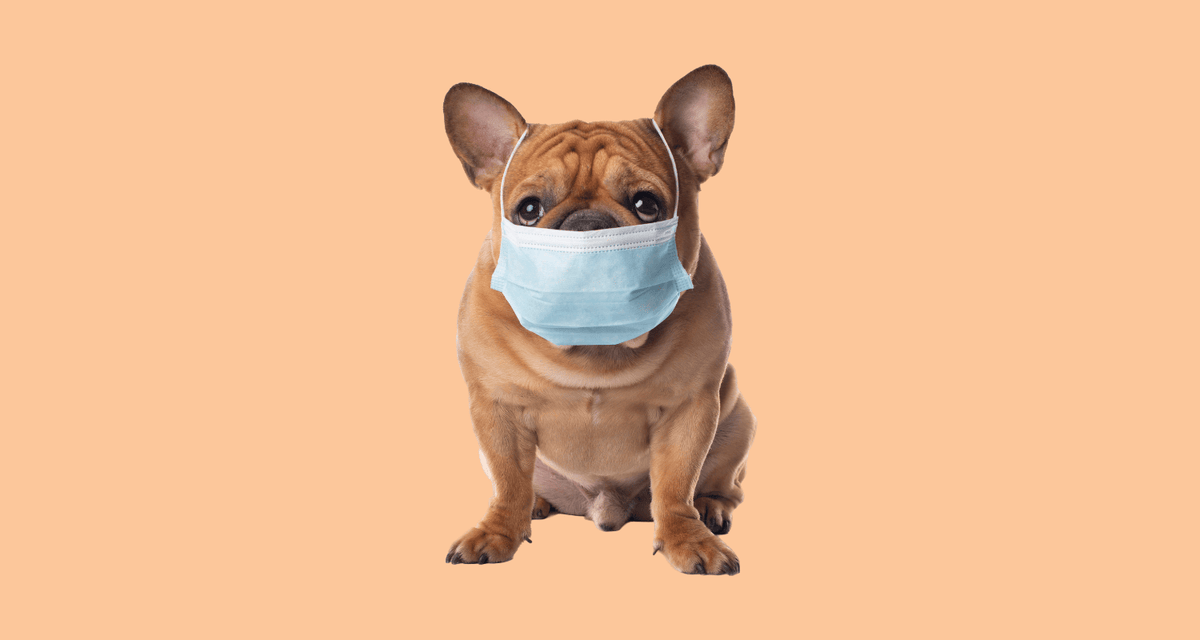
Breeds like Bulldogs and Pugs have unique challenges. Their short noses make breathing harder. Colds can block their airways more easily. This may extend the cold’s duration. Keep their environment clean and humid. Avoid stress and overheating to ease breathing.
Dogs With Preexisting Conditions
Dogs with asthma, allergies, or heart problems need careful monitoring. These conditions can worsen cold symptoms. Their recovery might be slower and more complex. Follow your vet’s advice closely. Never ignore signs of distress or fatigue in these dogs.
Credit: petamaze.com
Frequently Asked Questions
How To Treat A Dog With Colds?
Keep your dog warm and hydrated. Offer nutritious, easily digestible food. Use a humidifier to ease breathing. Monitor symptoms closely. Consult a vet if coughing worsens, breathing struggles, or symptoms last over ten days. Avoid human cold medicines unless prescribed by a vet.
How Long Is Too Long For A Dog To Be Sick?
A dog sick for more than 10 days needs a vet visit. Persistent symptoms may indicate serious illness. Act promptly.
What Can I Give My Dog For The Cold?
Offer your dog plenty of water, rest, and a warm, comfortable place. Avoid human cold medicines; consult a vet for proper treatment.
What Are The First Signs Of A Cold In Dogs?
The first signs of a cold in dogs include sneezing, coughing, a runny nose, watery eyes, and mild lethargy.
Conclusion
Dog colds usually last about seven to ten days. Most dogs recover with rest and care at home. Watch for signs like heavy coughing or trouble breathing. Puppies and older dogs may take longer to heal. If symptoms worsen or last more than two weeks, visit your vet.
Early attention helps prevent serious problems. Keep your dog warm and hydrated during recovery. Understanding your dog’s cold helps you provide the right support. Stay patient—your furry friend will feel better soon.