
Is your dog feeling under the weather with an upset stomach? You want to help, but you’re not sure what to feed them that’s gentle and safe.
Boiled chicken is a simple, effective solution that can soothe your pup’s tummy and get them back to feeling their best. But how do you boil chicken the right way for your dog’s sensitive digestion? You’ll learn easy, step-by-step instructions to prepare plain, tender chicken that’s perfect for upset stomachs.
Keep reading, because knowing how to do this correctly can make all the difference in your dog’s recovery and comfort.

Credit: leashandlearnnyc.com
Choosing The Right Chicken
Choosing the right chicken is key for your dog’s upset stomach. The wrong parts or added ingredients can make symptoms worse. Select chicken that is easy to digest and gentle on the stomach. Quality and preparation affect how well your dog recovers. Here is how to pick the best chicken for your pet.
Best Chicken Parts For Dogs
Chicken breasts and thighs are the best choices. These parts have less fat and are easy to boil. They cook quickly and stay tender. Avoid chicken wings or drumsticks with bones. They can splinter and hurt your dog’s digestive tract. Lean meat helps soothe the stomach without adding extra fats.
Avoiding Harmful Ingredients
Do not use chicken with added spices or sauces. Ingredients like salt, garlic, or onion harm dogs. Plain chicken is safest. Avoid pre-seasoned or marinated chicken. Also, do not add oils or butter when boiling. These can upset your dog’s stomach and cause pain.
Why Skinless And Boneless Matters
Skin has fat that is hard to digest for dogs with tummy issues. Remove the skin before cooking. Bones can splinter and cause choking or internal injury. Always use boneless chicken. This keeps your dog safe and makes the meal easier to digest.
Preparing Chicken For Boiling
Preparing chicken for boiling helps make a gentle meal for dogs with upset stomachs. The right preparation keeps the chicken plain and easy to digest. Clean chicken and proper portion sizes are important for your dog’s comfort. Follow simple steps to prepare chicken safely and correctly.
Cleaning And Cutting Chicken
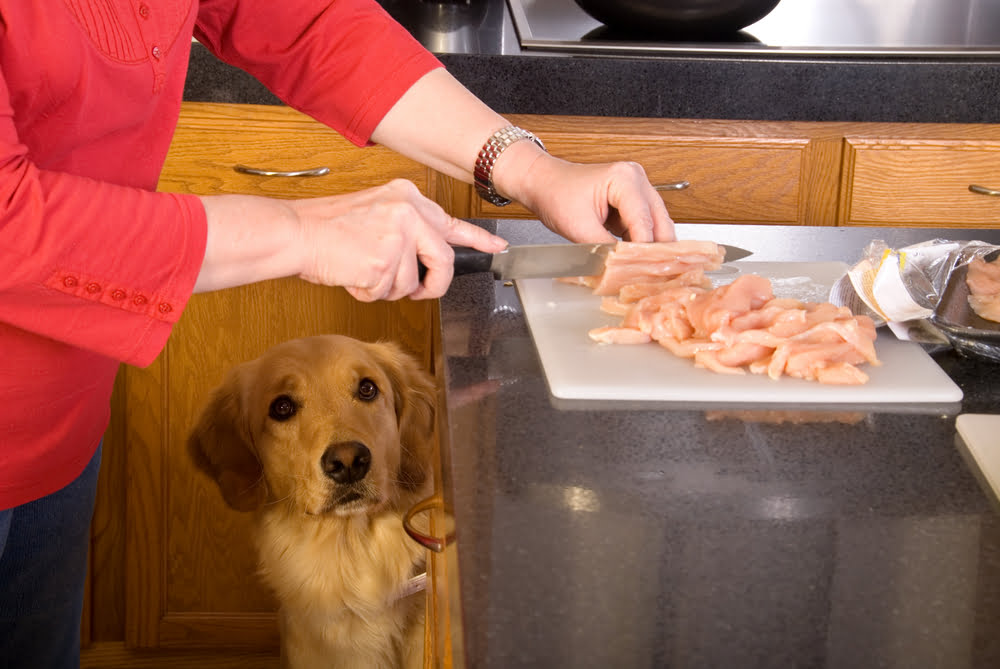
Start by washing your hands and all surfaces. Rinse the raw chicken under cold water to remove any residue. Use boneless, skinless chicken breasts or thighs only. Remove all skin, fat, and bones carefully. Cut the chicken into small, even pieces. Smaller pieces cook faster and are easier for your dog to eat. Avoid seasoning or adding oils.
Proper Chicken Portion Sizes
Use the right amount of chicken for your dog’s size and weight. A general rule is one cup of cooked chicken per 20 pounds of body weight. Avoid giving too much at once. Serving small portions helps prevent stomach upset. Divide the chicken into several small meals throughout the day. This approach supports gentle digestion and recovery.
Boiling Chicken Step-by-step
Boiling chicken for a dog’s upset stomach is simple and safe. Plain boiled chicken helps soothe digestion and provides gentle nutrition. Follow clear steps to prepare it correctly. This guide breaks down the boiling process into easy parts.
Setting Up The Boiling Process
Start with fresh, boneless, and skinless chicken breasts. Cut the chicken into even pieces for quick cooking. Use a clean pot and add enough water to cover the chicken completely. Do not add salt, spices, or oils. Keep everything plain and simple for your dog’s sensitive stomach.
Boiling Time And Temperature
Bring the water to a gentle boil over medium-high heat. Once boiling, lower the heat to a simmer. Let the chicken cook for 12 to 15 minutes. Avoid rapid boiling, which can toughen the meat. Cooking at a steady simmer ensures the chicken stays tender and easy to digest.
Checking Chicken Doneness
Test the chicken by cutting a piece in half. The inside should be white with no pink areas. The juices should run clear, not red or cloudy. If still pink, cook for a few more minutes. Fully cooked chicken is safe and gentle for your dog’s upset stomach.
Credit: www.raisedrightpets.com
Combining Chicken With Rice
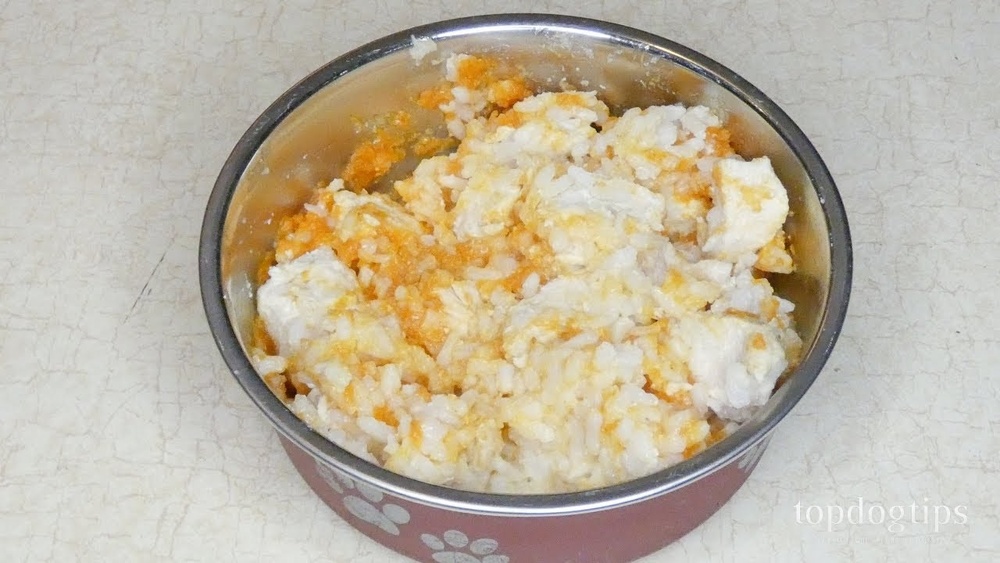
Combining chicken with rice creates a gentle meal for dogs with upset stomachs. This simple mix provides nutrients without causing irritation. Chicken offers lean protein, while rice supplies easy-to-digest carbohydrates. Together, they help soothe digestive issues and support recovery.
Cooking Rice For Easy Digestion
Choose white rice for your dog’s meal. It is softer and easier on the stomach than brown rice. Use plain water without salt or seasoning. Cook the rice until it is slightly overcooked or mushy. This texture helps your dog digest the rice quickly and comfortably.
Boil the rice gently and do not add any oils. Let it cool before mixing with the chicken. Overcooked rice releases more starch, which can help bind your dog’s stool. This makes it a good choice during diarrhea or upset stomach episodes.
Mixing Chicken And Rice Safely
Use only plain, boiled chicken without skin or bones. Shred or chop the chicken into small pieces. Mix the chicken and rice in a 1:2 ratio—one part chicken to two parts rice. This balance ensures the meal is gentle on your dog’s stomach.
Serve the mixture at room temperature to avoid burning your dog’s mouth. Feed small portions frequently rather than one large meal. Monitor your dog’s reaction and adjust the mixture if needed. Always keep fresh water available for your pet.
Serving Boiled Chicken To Your Dog
Serving boiled chicken to your dog with an upset stomach requires care and attention. Proper preparation ensures the chicken soothes your dog’s digestive system without causing discomfort. Follow these simple steps to serve the chicken safely and effectively. This section covers how to cool and portion the food and how often to feed your dog for the best results.
Cooling And Portioning Food
After boiling, let the chicken cool completely. Hot food can burn your dog’s mouth. Cut the chicken into small, bite-sized pieces. This makes it easier to chew and digest. Avoid adding spices or seasonings. Serve plain boiled chicken only. Mixing with plain, cooked rice can help calm the stomach further. Store leftovers in the refrigerator and use within two days.
Frequency And Amount Of Feeding
Feed your dog small portions several times a day. This reduces stomach strain and helps recovery. Start with about a quarter of your dog’s usual meal size. Watch for any signs of discomfort or vomiting. Increase the amount gradually as your dog improves. Continue this bland diet for two to three days. Afterward, slowly reintroduce regular food to avoid upset stomach again.
Additional Tips For Upset Stomach Relief
Boiling chicken is a great way to help a dog with an upset stomach. To boost recovery, add some extra care steps. These tips help ease your dog’s discomfort and support healing. Simple actions can make a big difference.
Hydration And Rest
Keep your dog hydrated with fresh water at all times. Water helps flush out toxins and prevents dehydration. Offer small amounts often rather than a lot at once. Rest is equally important. Let your dog relax in a quiet, comfortable space. Rest helps the body heal faster and reduces stress.
When To Consult A Veterinarian
Watch your dog closely for signs of worsening condition. If vomiting or diarrhea lasts more than 24 hours, call your vet. Blood in stool or vomit is a red flag. Lethargy, weakness, or refusal to eat also need professional care. Early vet visits can prevent serious problems.
Adding Safe Supplements
Some supplements can soothe your dog’s upset stomach. Plain pumpkin puree adds fiber and aids digestion. Probiotics support healthy gut bacteria and improve digestion. Use supplements made for dogs only. Always check with your vet before adding anything new.
Foods And Practices To Avoid
Feeding a dog with an upset stomach requires care and caution. Some foods and practices can make the problem worse. Avoiding certain meats, ingredients, and seasonings is key to helping your dog heal quickly. Understanding what to leave out helps keep your dog safe and comfortable during recovery.
Dangerous Meats And Ingredients
Never feed your dog fatty meats like bacon, sausage, or ribs. These can cause vomiting and diarrhea. Fatty foods may also lead to pancreatitis, a serious illness. Avoid chicken bones, cooked or raw. Bones can break and cause blockages or tears in the digestive tract. Stick to plain, boneless, and skinless chicken breasts or thighs for boiling.
Avoiding Seasonings And Additives
Do not add salt, pepper, garlic, onions, or any spices to your dog’s food. These seasonings can upset the stomach further or be toxic. Skip sauces, oils, and butter. Plain boiled chicken is best for a sick dog. Keep the food simple and easy to digest. Clean water should always be available alongside food.

Credit: www.youtube.com
Frequently Asked Questions
How To Boil Chicken For A Dog With An Upset Stomach?
Use boneless, skinless chicken breast. Boil in plain water for 12-15 minutes until fully cooked. Cool, shred into small pieces. Serve plain with boiled rice to soothe your dog’s upset stomach.
What Are The Three Meats You Should Never Feed A Dog?
Never feed dogs hot dogs, bacon, or ribs. These fatty meats can cause stomach upset, vomiting, diarrhea, and pancreatitis.
How Long Should I Boil Chicken Before Giving It To My Dog?
Boil boneless, skinless chicken breasts for 12-15 minutes until fully cooked. Ensure no pink remains inside. Cool, shred, and serve.
What Part Of The Chicken Is Best To Boil For Dogs?
The best chicken parts to boil for dogs are boneless, skinless chicken breasts or thighs. Avoid bones and skin to prevent digestive issues. Boil until fully cooked, then shred into small pieces for easy digestion. This provides a safe, low-fat protein source for dogs with upset stomachs.
Conclusion
Boiled chicken can soothe your dog’s upset stomach effectively. Use plain, skinless, boneless chicken breasts or thighs only. Avoid adding spices, oils, or seasoning. Boil the chicken until fully cooked, then shred it into small pieces. Pair it with plain, well-cooked rice for easier digestion.
Always let the food cool before serving to prevent burns. Feed this bland meal for a short time to help your dog recover. Monitor your pet closely, and consult a vet if symptoms persist. Simple care can make a big difference in your dog’s comfort.